Liquid vs capsule supplements: the Cognizil verdict
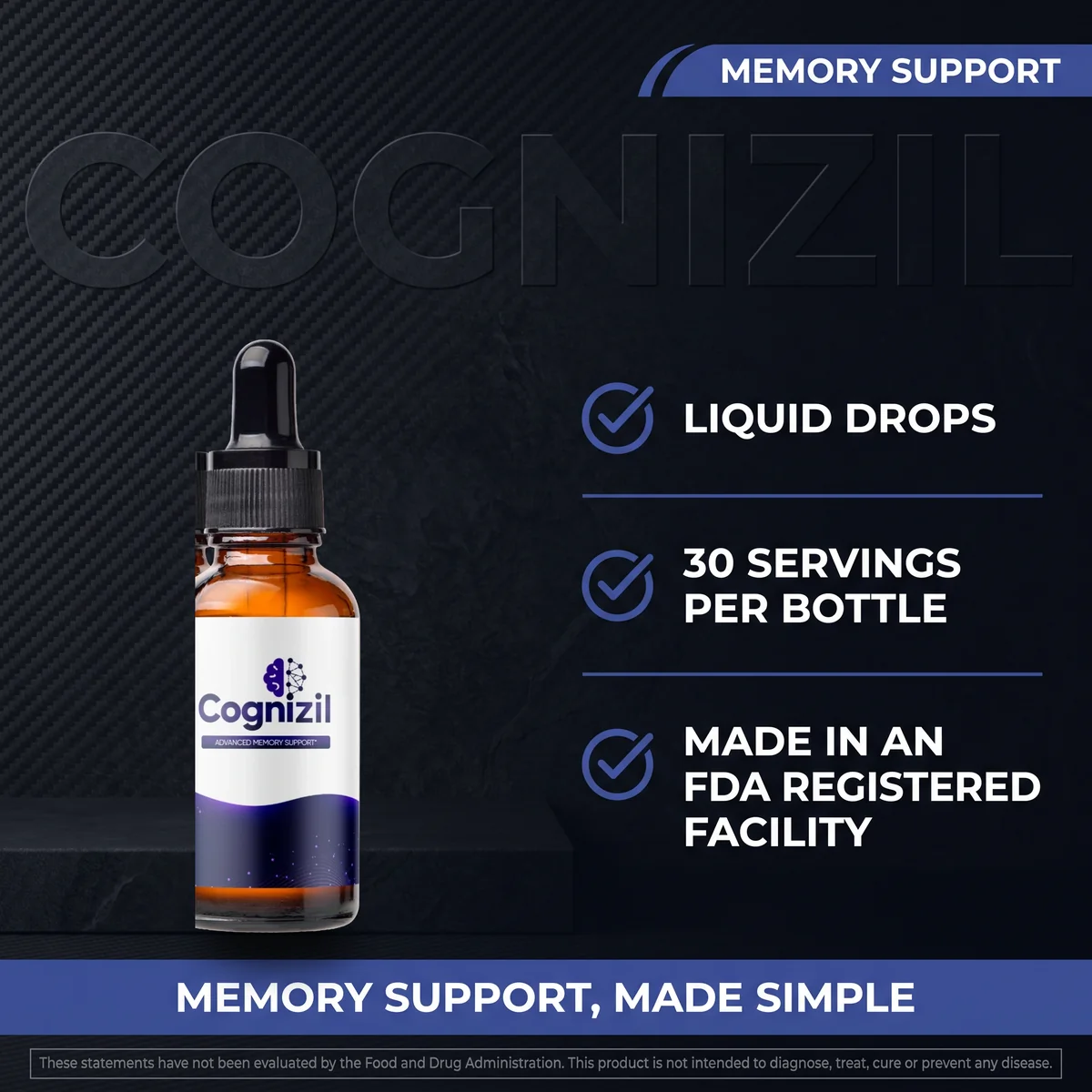
Liquid vs capsule supplements comes down to three honest questions — does one absorb better, is one easier to live with, and which one will you actually take every day? A liquid is a nutrient already dissolved and ready for the gut; a capsule is that same nutrient sealed in a shell that must break down first. Both can work, but the format that fits your routine is the one that helps, which is exactly why Cognizil is built as fast, shake-and-swallow drops.
Liquid or capsule — here is the honest verdict in one place.
- Absorption
- A liquid skips the “dissolve the shell” step, so nutrients meet the gut sooner; for most nutrients the real-world gap is modest, not magic.
- Adherence
- The bigger difference is behavioural: many people who struggle to swallow pills take drops more reliably, and a dose you take beats a dose you skip.
- Dosing
- Drops let you measure flexibly and taste the formula; capsules give a fixed, taste-free, grab-and-go dose.
- The verdict
- Neither format is universally superior — but for a once-daily focus routine, easy liquid drops like Cognizil remove the friction that causes missed days.
The same nutrient is often sold as a capsule, a chewable and a bottle of drops, so it is fair to ask whether the packaging changes anything that matters. This guide compares the two on what actually decides results — absorption, convenience, dosing and adherence — and explains, without overselling, why Cognizil is formulated as a liquid dropper rather than a pill.
What is the real difference between liquid and capsule supplements?
The core difference between a liquid and a capsule is a single step: a capsule must break open and dissolve in the stomach before its contents are released, while a liquid arrives already dissolved and ready to be absorbed. Everything else — taste, dosing flexibility, shelf stability and cost — flows from that one fact. A capsule seals its ingredients in a shell and delivers a fixed, flavourless dose; a liquid trades that neat packaging for speed and adjustability, at the cost of taste and a shorter open-bottle life. Neither is “the healthy one,” and the right pick depends on the nutrient and on you.
Does liquid absorption actually beat capsules?
Liquid nootropic absorption has a genuine head start because a dissolved nutrient does not wait for a shell to disintegrate before the gut can take it up. That much is simple chemistry. The harder, more honest question is whether that head start changes the outcome. Absorption — what scientists call bioavailability — depends far more on the specific molecule, whether you take it with food, and your own digestion than on the bottle it came from. Some nutrients are absorbed almost completely in any format; others are capped by the body's own transport systems, so a liquid cannot push past a ceiling the gut sets. Modern capsules are also engineered to dissolve quickly, which narrows the gap further.
The fair summary: a well-made liquid can absorb efficiently and may present its ingredients a little sooner, but be sceptical of dramatic “up to X times more absorbable” claims unless they name the exact nutrient and a real comparison — the NIH Office of Dietary Supplements makes the same point about supplement marketing generally (NIH Office of Dietary Supplements), and NCCIH publishes a short guide to reading those claims (NCCIH). For a daily formula, the decisive factor is rarely a few percentage points of absorption — it is whether you take it consistently for long enough to matter.
Which format wins on convenience and adherence?
The format that wins is the one you keep taking, because the most powerful supplement in the world does nothing on the days you forget it — and dosage-form preference is measurably tied to whether people stick with a daily product at all (Limenh et al., Patient Preference and Adherence, 2024). This is where liquid vs pill supplements stops being about chemistry and starts being about behaviour — and behaviour is where results are actually won or lost.
Why do so many people skip capsules?
A surprisingly large share of adults find pills unpleasant or hard to swallow — survey work across four countries put swallowing difficulty and a preference for non-tablet formats at a meaningful share of the adult population (Cook et al., Healthcare, 2024) — and that discomfort quietly becomes missed doses. When a capsule feels like a chore, the bottle drifts to the back of the cupboard and the routine collapses within weeks. A dropper sidesteps that barrier entirely: there is nothing to gag on, and the mild botanical taste is easy to take neat or stirred into water or juice.
How does dosing flexibility differ?
Capsules give a fixed, pre-measured dose — convenient, but rigid. Liquid drops let you measure by the dropperful, making it simple to follow a label's serving, ease in gently, or adjust if a professional advises it. That suits anyone who prefers to start low and build a habit slowly rather than committing to a full capsule from day one.
Which is easier to travel with?
Capsules have the edge on the road: they are spill-proof, need no measuring and shrug off temperature swings. A dropper bottle needs to stay sealed and upright and prefers to avoid a hot car. For a daily routine at home or work, that trade-off rarely matters; for constant travel, it is a point in the capsule's favour and worth an honest mention.
Make the daily dose effortless
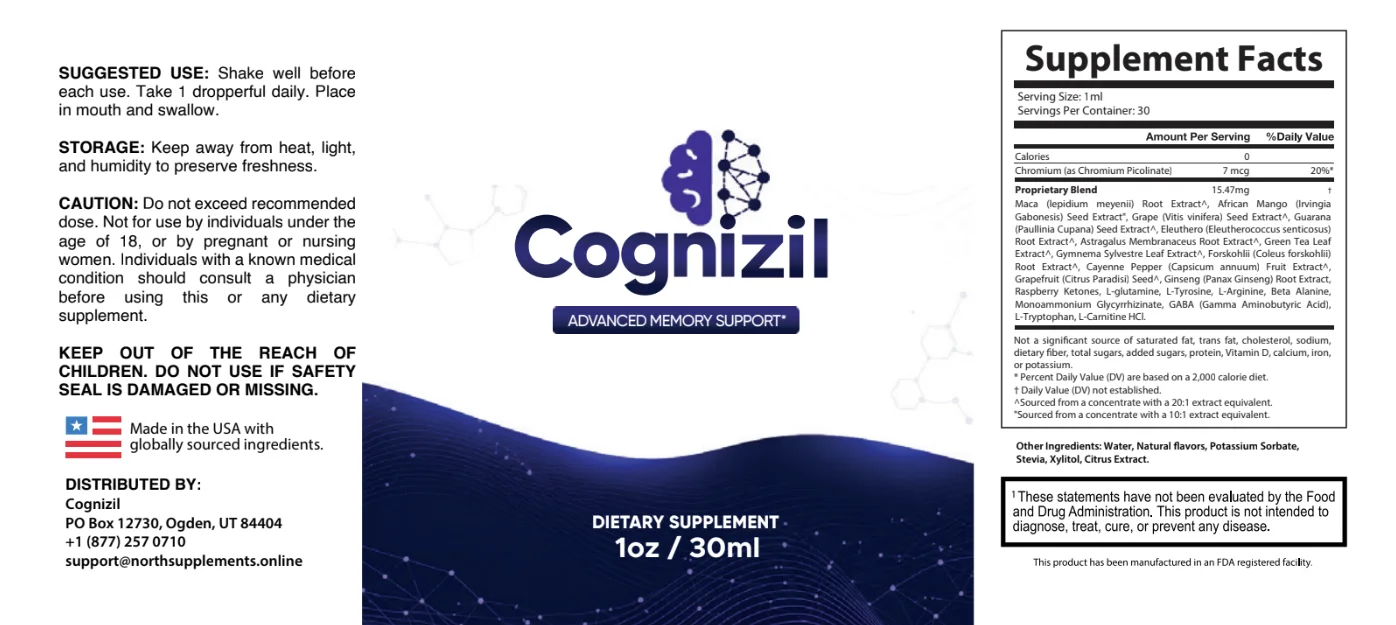
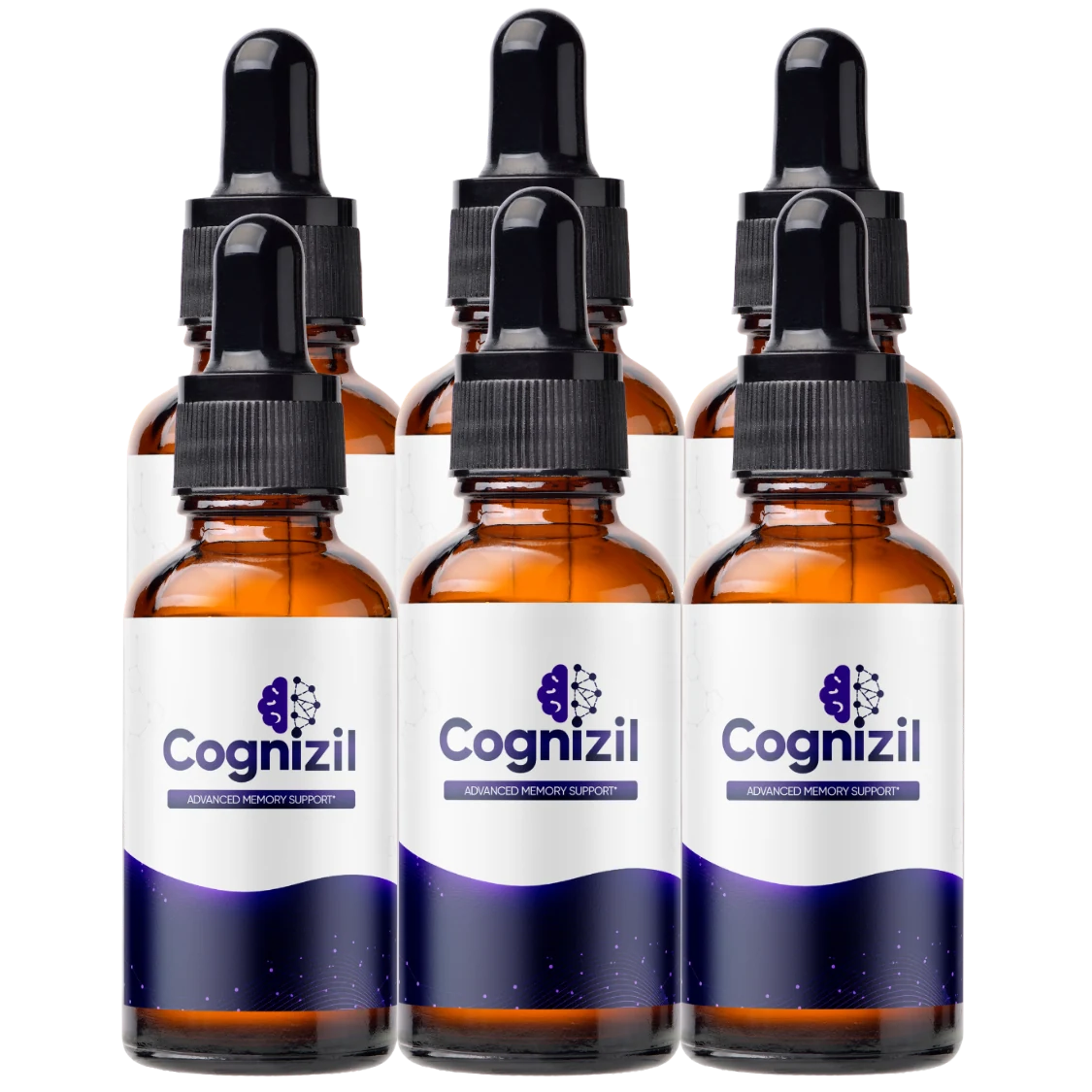
Cognizil pairs chromium with a 15.47 mg botanical and amino-acid blend in a once-daily dropper — no pills to swallow. The six-bottle bundle is the best value at $49 per bottle, with free U.S. shipping and a 180-day guarantee. Check today's Cognizil pricing before it changes.
See the exact dose in Cognizil — from $49/bottleHow do liquid and capsule nootropics compare head-to-head?
A head-to-head comparison shows that liquids and capsules each win on different fronts, so the “best” format is the one whose strengths match your priorities. The table below lines up the two delivery methods on the factors people actually weigh when choosing a supplement.
| Factor | Liquid drops | Capsules |
|---|---|---|
| Absorption path | Already dissolved; no shell to break down first | Shell must disintegrate before release |
| Ease of taking | No swallowing pills; suits pill-averse users | Requires swallowing; some find it hard |
| Dosing | Flexible by the dropperful | Fixed, pre-measured per capsule |
| Taste | Noticeable botanical flavour | Taste-free |
| Travel & stability | Keep sealed, upright, out of heat | Spill-proof and heat-tolerant |
| Fillers | No capsule shell needed | Gelatin or plant-based shell |
| Open-bottle life | Use within the stated window once opened | Long, stable shelf life |
A pattern emerges: capsules win on portability and shelf life, while liquids win on ease, flexibility and a clean, filler-light delivery. For a formula you take at home once a day, the liquid column describes the things that keep a habit alive. For more on the formula itself, read our guide to nootropic ingredients for focus and memory, the label checklist in how to choose a brain supplement, and the buyer roundup in the best memory supplements to look for.
Why is Cognizil formulated as fast liquid drops?
Cognizil is formulated as liquid drops because the biggest threat to any supplement's results is a missed dose, and a dropper removes the most common reason people quit: they dislike swallowing pills. Rather than betting on an absorption claim it cannot prove, Cognizil bets on adherence it can — the daily step takes seconds, the formula needs no capsule shell or binding fillers, and the flexible measure lets you follow the label exactly.
Inside the bottle, Cognizil combines chromium (as chromium picolinate) with a 15.47 mg botanical and amino-acid blend of maca root, green tea leaf, panax ginseng, GABA and L-tyrosine, delivered as a liquid you shake and swallow. It is a dietary supplement designed to support everyday memory and focus alongside good sleep, food and movement, not a treatment for any condition. For more, see the ingredients section or our companion piece on how to improve memory and focus naturally.
How do you take liquid nootropic drops correctly?
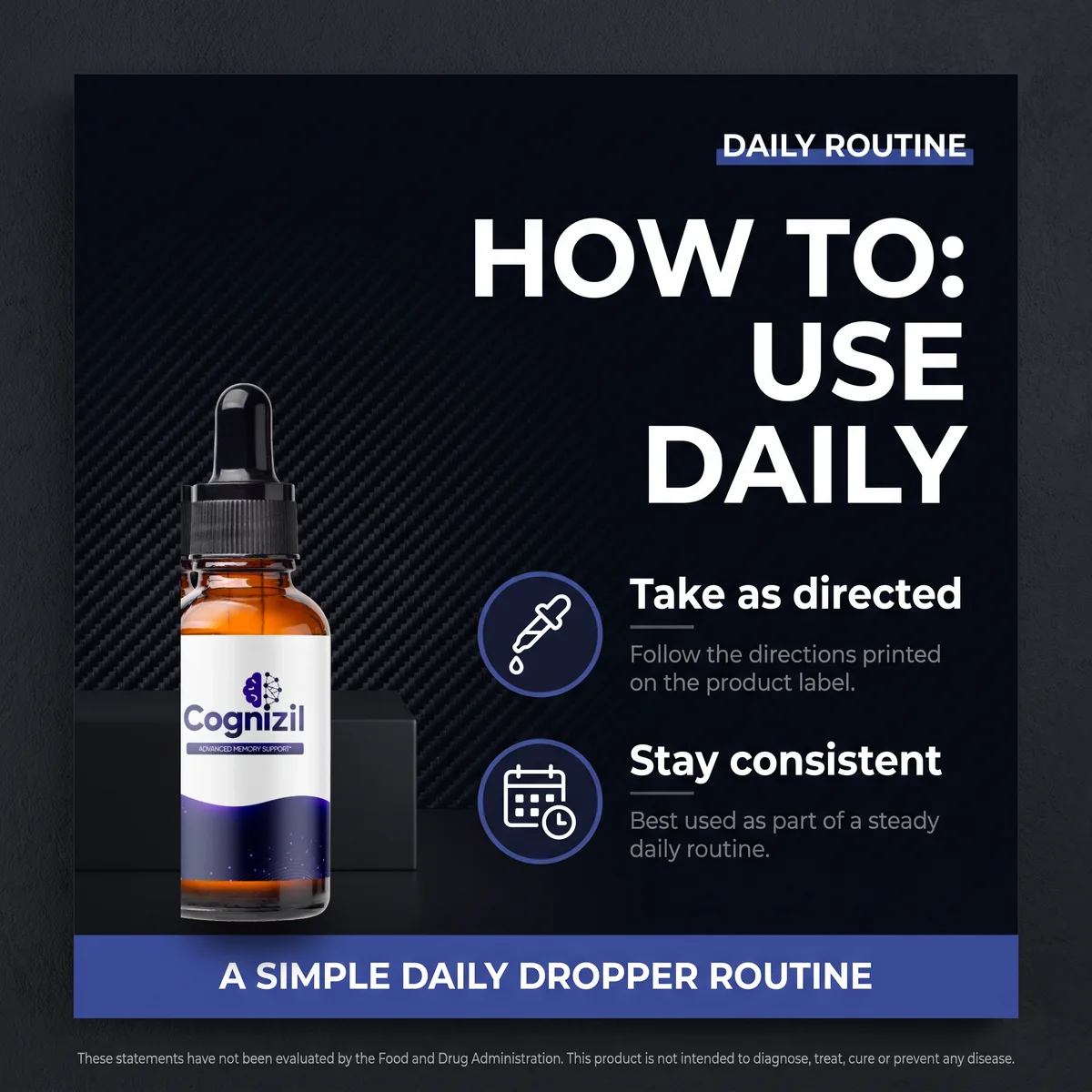
Taking liquid drops well is mostly about consistency: shake, measure, and take them at the same time every day so the habit runs on autopilot. A simple routine looks like this:
- Shake the bottle so the botanical blend is evenly mixed before you measure.
- Draw one dropperful to the fill line indicated on the label.
- Take it neat or stirred into a small glass of water or juice if you prefer a milder taste.
- Anchor it to an existing habit — morning coffee, breakfast, or brushing your teeth — so you never have to remember.
- Store it sealed and cool, away from direct heat and sunlight, and use it within the stated window.
Because botanicals build their support gradually rather than acting like a stimulant, most people choose a multi-month supply so they do not run out mid-routine. You can compare the packages and pricing on the homepage.
Which supplement format is best for you?
The best supplement format is a personal fit, not a universal winner, so the smartest move is to match the format to your own habits and preferences. This quick guide points you to the format that usually suits each situation.
| If you… | Lean toward | Why |
|---|---|---|
| Dislike or struggle to swallow pills | Liquid drops | Removes the main reason people skip doses |
| Want flexible or gradual dosing | Liquid drops | Measure by the dropperful, adjust easily |
| Prefer a taste-free, grab-and-go dose | Capsules | Fixed dose, no flavour, nothing to measure |
| Travel constantly or dislike measuring | Capsules | Spill-proof and heat-tolerant |
| Want a filler-light daily focus routine | Liquid drops | No capsule shell; take it in seconds |
| Value the longest possible shelf life | Capsules | More stable once the bottle is open |
If your answer sits mostly in the “liquid drops” rows — you would rather not swallow a pill every day and you want the routine to be frictionless — a once-daily dropper is the format most likely to keep you consistent. That is the exact case Cognizil is built for.
When should you talk to a doctor?
A supplement in any format is for supporting everyday wellness, not for replacing medical care, so a quick professional check is wise before you start. Speak with your doctor if you are pregnant or nursing, under 18, take any medication, have a diagnosed condition, or notice persistent or worsening problems with memory or thinking. Whether a nutrient arrives as a drop or a capsule, it should fit safely alongside the rest of your care.
Frequently asked questions
Are liquid supplements absorbed better than capsules?
Liquids skip the step of a capsule dissolving, so their nutrients are presented to the gut sooner, and a well-made liquid can absorb efficiently. Whether that produces a meaningful difference depends on the specific nutrient, and for most people convenience and consistency matter more than a small absorption edge.
What is the best supplement format for daily focus?
The best format is the one you will actually take every day. Liquid drops suit people who dislike swallowing pills and who want flexible dosing, while capsules suit those who prefer a taste-free, grab-and-go option. Cognizil uses shake-and-swallow drops to make the daily habit as easy as possible.
Do liquid nootropics work faster than pills?
A liquid does not need to disintegrate first, so its ingredients reach the digestive tract without that delay. This can mean a modestly quicker start for some nutrients, but a supplement is not a stimulant and should be judged by consistent daily use, not by how fast a single dose feels.
Why is Cognizil sold as liquid drops instead of capsules?
Cognizil is formulated as liquid drops because a dropper removes the pill-swallowing barrier that causes many people to skip doses, allows flexible measuring, and delivers its chromium and 15.47 mg botanical blend without fillers or capsule shells. The goal is better day-to-day adherence.
Are capsule supplements less effective than liquids?
No. Capsules are a proven, stable and precise format, and a good capsule product can work perfectly well. The choice between liquid and capsule is mostly about preference, dosing flexibility and how reliably you take it, rather than one format being universally superior.
How should I take liquid nootropic drops?
Shake the bottle, measure one dropperful, and either swallow it directly or stir it into a little water or juice, taken at the same time each day. Keep the bottle sealed and out of direct heat, and pair it with sleep, food and movement for the best everyday support.

Check today's Cognizil pricing & try it risk-free →
Cognizil is a dietary supplement, not a treatment for any medical condition. These statements have not been evaluated by the Food and Drug Administration. This product is not intended to diagnose, treat, cure or prevent any disease. Always consult a qualified healthcare professional about your individual needs.
References & further reading
- National Institutes of Health, Office of Dietary Supplements. Dietary Supplements: What You Need to Know. ods.od.nih.gov/factsheets/WYNTK-Consumer
- National Center for Complementary and Integrative Health (NCCIH). Using Dietary Supplements Wisely. nccih.nih.gov/health/using-dietary-supplements-wisely
- Limenh LW, et al. Patients’ Preference for Pharmaceutical Dosage Forms: Does It Affect Medication Adherence? A Cross-Sectional Study in Community Pharmacies. Patient Preference and Adherence, 2024. pubmed.ncbi.nlm.nih.gov/38558832
- Mayo Clinic. Difficulty swallowing (dysphagia) — symptoms and overview. mayoclinic.org/diseases-conditions/dysphagia
- Cook J, et al. Dysphagia Prevalence in Brazil, UK, China, and Indonesia and Dysphagic Patient Preferences. Healthcare (Basel), 2024. pubmed.ncbi.nlm.nih.gov/39337168
- National Institutes of Health, Office of Dietary Supplements. Chromium — Fact Sheet for Health Professionals. ods.od.nih.gov/factsheets/Chromium-HealthProfessional
These references describe supplement formats and ingredients in general terms and do not constitute evidence that any product treats, cures or prevents any condition.
Keep reading: how nootropic ingredients work · how to improve memory and focus naturally · back to the Cognizil blog · read the full Cognizil review.