How to improve memory and focus naturally: the Cognizil guide
To improve memory and focus naturally means using everyday sleep, food, movement and stress habits — and, if you choose, well-studied nutrients like chromium, L-tyrosine and green tea — to help your brain do its best work. It is about consistency over quick fixes, and it works alongside, not instead of, the guidance of your doctor.
The fastest route to a sharper, steadier mind, in one place.
- The goal
- Keep attention steady and recall reliable through a full day, instead of fading into afternoon brain fog.
- Biggest levers
- Sleep first, then movement, whole-food nutrition, hydration and stress management — the unglamorous habits do the heavy lifting.
- Focus trick
- Work in single-task blocks with your phone out of reach; the brain switches tasks far slower than it feels like it does.
- Where supplements fit
- Nutrients such as chromium, L-tyrosine, panax ginseng and green tea can support the routine, but they are not a treatment for any condition.
- Timeframe
- Sleep and a walk help the same day; diet and fitness changes show over weeks, and results vary from person to person.
If you have ever walked into a room and forgotten why, or read the same paragraph three times, you have met your brain on a bad day. For most people the aim is not a dramatic transformation — it is simply a mind that feels a little sharper and steadier. This guide walks through the habits with the most influence, in plain language, and shows where a botanical formula like Cognizil can play a supporting role.
What does it mean to support memory and focus naturally?
Supporting your mind naturally is the practice of using sleep, diet, activity and stress management to help your brain do what it already does: encode new information, hold attention, and recall what you need when you need it. It is not a cure for anything; it is a set of small, repeatable choices that keep your thinking a little clearer. Two ideas anchor everything below: consistency beats intensity, and these habits stack — each helps a little, and together they add up.
Why does focus fade in the first place?
Attention is a limited resource, and modern life spends it fast. Every notification, tab and interruption forces a costly mental switch, and the brain never fully returns to the task it left. Add a short night, a skipped meal or a stressful morning and the tank empties even quicker, which is why the classic afternoon slump feels less like tiredness and more like fog. The good news is that most of the drivers are habits you can nudge in the other direction.
Several ordinary factors pull focus down: poor or irregular sleep, chronic stress, dehydration, blood-sugar swings from refined-carbohydrate meals, and a sedentary day with little blood flow to the brain. Below are the habits with the most leverage, roughly in order of impact.
What are the most effective everyday habits?
1. Protect your sleep first
Sleep is where the brain consolidates memories, clears metabolic waste and resets attention for the day ahead. A single short night measurably dents working memory and reaction time — the classic meta-analysis of sleep-deprivation studies found rested people outperforming sleep-deprived people by a wide margin on cognitive and mood measures (Pilcher & Huffcutt, Sleep, 1996) — while consistent seven-to-nine-hour nights are the closest thing to a cognitive multiplier. Anchor a regular bedtime, dim screens in the last hour, and keep the room cool and dark. No supplement replaces the memory work that happens while you sleep.
2. Move your body most days
Physical activity increases blood flow to the brain and supports the biological processes behind learning and memory. Regular aerobic exercise — brisk walking, cycling, swimming, dancing — is linked with better attention and sharper recall over time: an umbrella review of exercise meta-analyses reported consistent improvements in cognition, memory and executive function (Singh et al., British Journal of Sports Medicine, 2025), and a meta-analysis in adults over 50 found the same pattern (Northey et al., British Journal of Sports Medicine, 2018). Even a ten-minute walk can lift a foggy afternoon. You do not need a gym; you need to move, most days, in a way you will keep up.
3. Eat for a steady brain
Your brain runs on a steady supply of glucose and the raw materials it gets from food. Whole, fibre-rich meals release energy slowly and avoid the spike-and-crash that fuels brain fog, while healthy fats, protein and colourful plants supply the nutrients your neurons use. Build meals around vegetables, beans, whole grains, nuts, fish and eggs, and treat sugary drinks and ultra-processed snacks as occasional, not default.
4. Manage stress and single-task
Chronic stress floods the body with cortisol, which over time interferes with the brain regions involved in memory and clear thinking. Simple decompression — a walk, slow breathing, a few minutes outdoors — helps reset the system. So does refusing to multitask: laboratory work on task-switching shows a measurable cost every time attention is moved from one task to another (Alzahabi & Becker, Journal of Experimental Psychology: Human Perception and Performance, 2017), so work in focused single-task blocks, keep your phone in another room, and let one thing have your full attention before moving to the next. Our workday routine in how to stay focused at work all day turns that into a schedule, and how to improve concentration while studying does the same for revision.
5. Hydrate and be smart with caffeine
Even mild dehydration can drag on concentration and mood in controlled trials (Ganio et al., British Journal of Nutrition, 2011), so water is a quietly powerful focus tool. Caffeine genuinely helps alertness, but timing matters: keep it moderate, earlier in the day, and paired with water and food so it lifts you without stealing the sleep that matters even more. Green tea is a gentler option, delivering caffeine alongside the calming amino acid L-theanine.
See how Cognizil fits your routine →
Which nutrients are part of the conversation?
Supplements are a supplement to the habits above, not a substitute, and never a treatment for any condition. Still, a handful of nutrients have long been part of the focus-and-memory conversation. Here is a snapshot of the best-known ones, several of which appear in Cognizil.
| Nutrient | Why it is discussed | Traditional / general role |
|---|---|---|
| Chromium | Essential trace mineral | Contributes to normal macronutrient metabolism — the steady energy processing that fuels the brain. |
| L-Tyrosine | Amino acid | A building block for certain neurotransmitters; studied for supporting performance under everyday stress. |
| Panax ginseng | Adaptogen | A storied tonic used to support resilience, energy and mental sharpness. |
| Green tea | Polyphenols + L-theanine | Associated with a calm-yet-alert state and general wellness; a rich source of antioxidants. |
| GABA | Calming amino acid | One of the body’s key settling signals, popular in blends aimed at relaxed focus. |
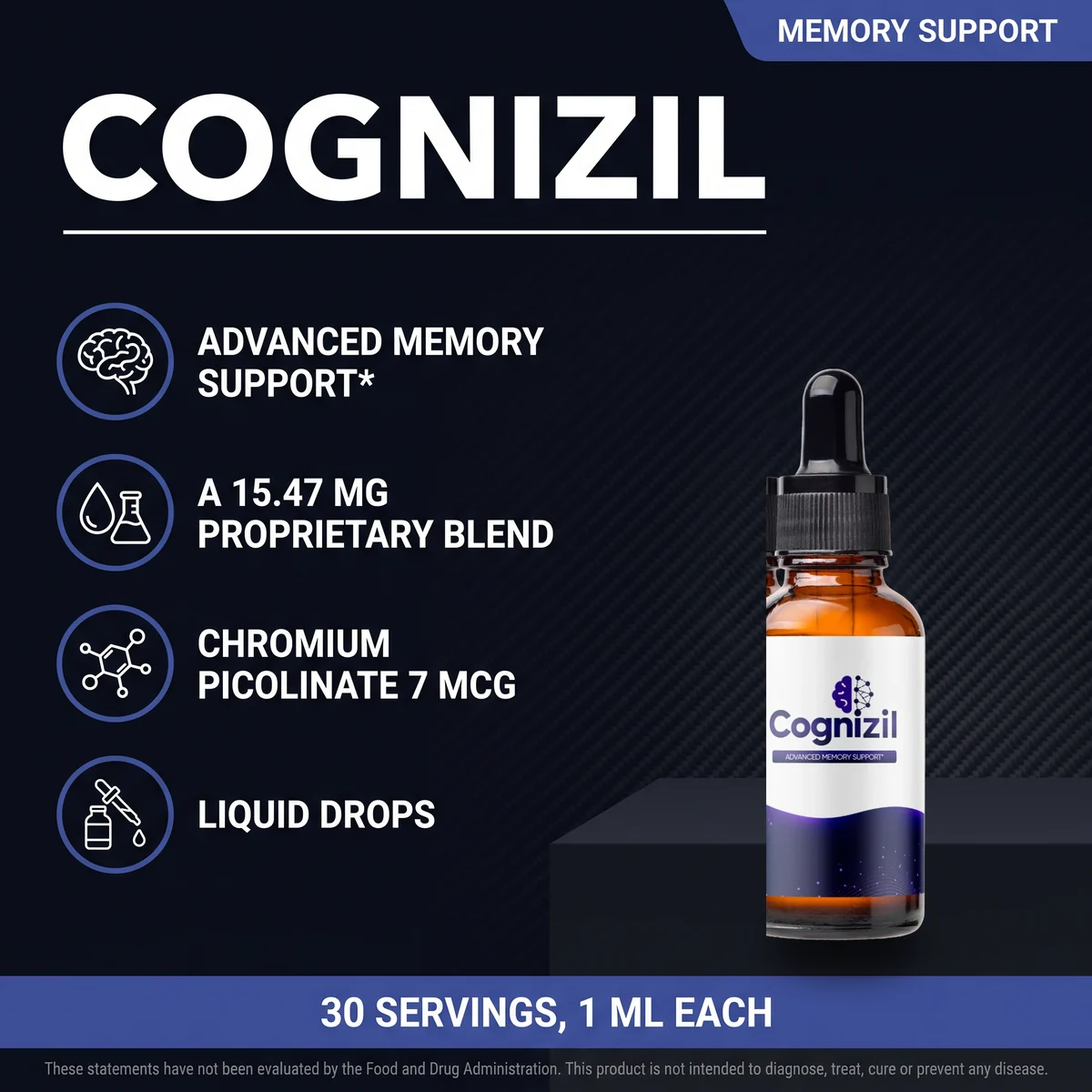
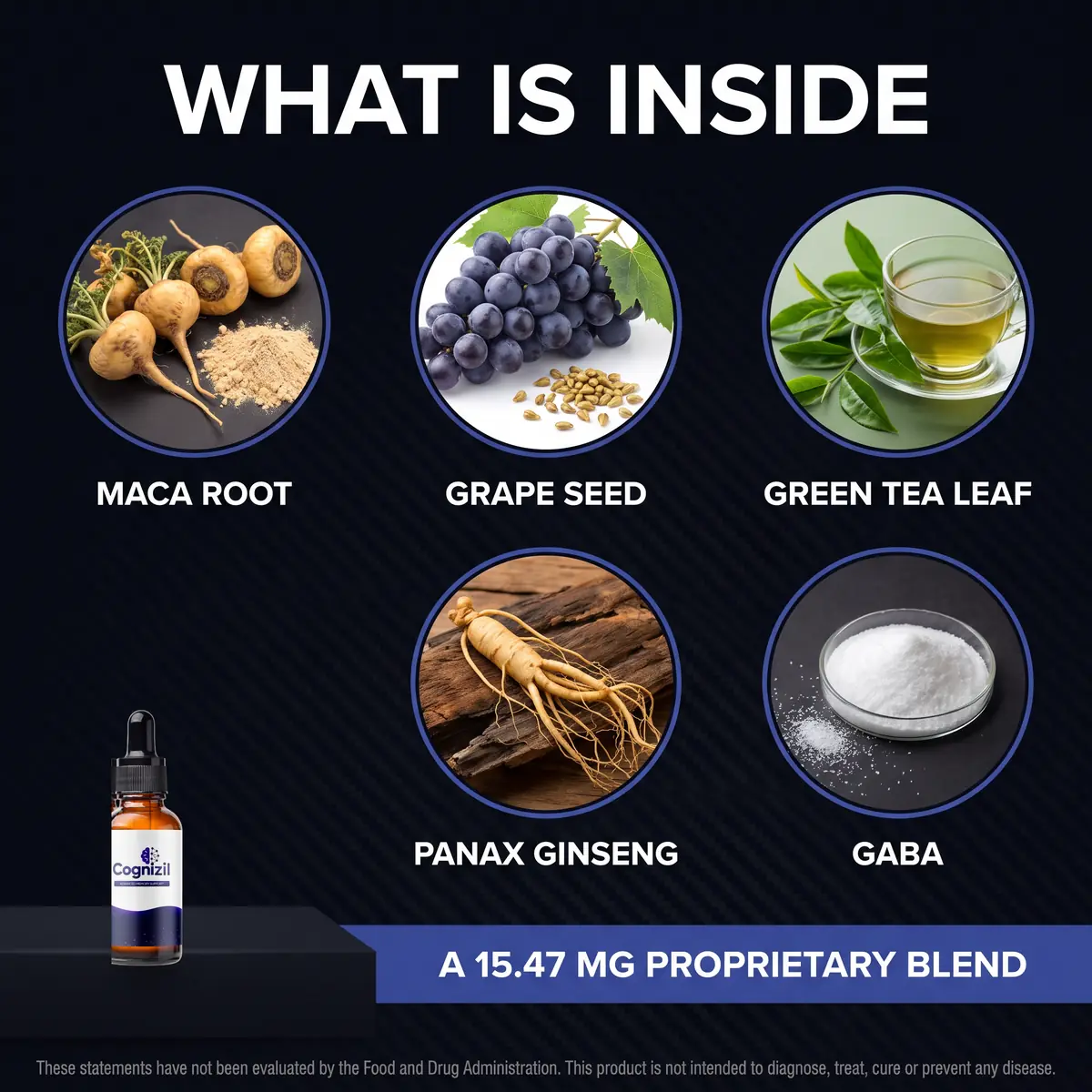
Cognizil brings several of these together: chromium (as chromium picolinate) plus a 15.47 mg botanical and amino-acid blend of maca, green tea, panax ginseng, GABA and L-tyrosine, as fast liquid drops rather than a pill. For a closer look, read our guide to nootropic ingredients for focus and memory, or see the full ingredients section.
Make it a daily habit
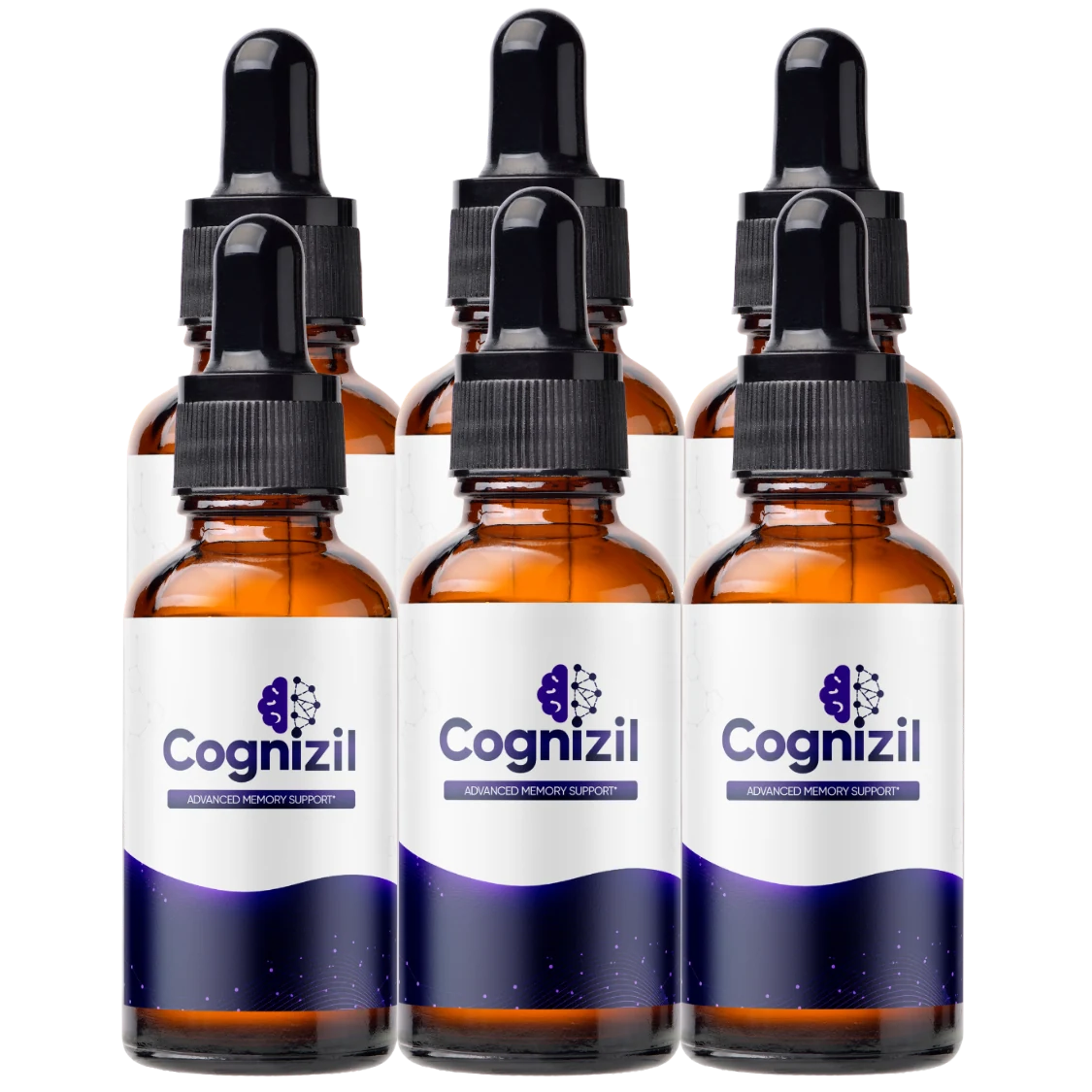
Cognizil is a once-daily dropper pairing chromium with a 15.47 mg botanical and amino-acid blend. The six-bottle bundle is the best value at $49 per bottle, with free U.S. shipping and a 180-day guarantee.
Order Cognizil — from $49/bottleHow do you build a simple daily routine?
The best routine is the one you will keep. Rather than overhauling everything at once, stack one small habit at a time until each feels automatic:
- Set a consistent bedtime so sleep can do the quiet memory work.
- Take a short walk in the morning or after your biggest meal.
- Anchor meals in protein, fibre and colour to avoid the spike-and-crash.
- Work in single-task blocks with your phone out of reach.
- Keep a water bottle on your desk and sip through the day.
- Take any supplement at the same time daily — for Cognizil, one dropperful, shaken and swallowed.
Which habits work fastest? An at-a-glance table
A “fast” habit is one you feel the same day; a “slow” habit reshapes your baseline over weeks. Both matter. This table sorts the core habits by how quickly they help and how much effort they ask.
| Habit | Typical time to notice | Everyday effort |
|---|---|---|
| A full night of sleep | Next day | Medium |
| 10-minute walk / movement break | Same day | Low |
| Water instead of a sugary drink | Same day | Low |
| Single-tasking & phone away | Same session | Low |
| Whole-food, steady-energy meals | Days to weeks | Medium |
| Consistent exercise & stress routine | Weeks | Higher |
Consistency turns any of these into a steadier month. Botanicals build their support gradually, so most people choose a multi-month supply to avoid running out mid-routine — compare the packages and pricing on the homepage.

When should you talk to a doctor?
Natural habits are for supporting everyday memory and focus; they are not a replacement for medical care. Speak with your doctor if you are pregnant or nursing, under 18, take any medication, have a diagnosed condition, or notice persistent or worsening problems such as memory loss that disrupts daily life, confusion, or sudden changes in thinking. A quick conversation ensures anything you add fits safely with your care.
Frequently asked questions
What does it mean to improve memory and focus naturally?
It means using everyday sleep, food, movement and stress habits — and, optionally, well-studied nutrients like chromium, L-tyrosine and green tea — to help your brain work at its best. It complements, rather than replaces, medical care.
Which habits help memory and focus the most?
Consistent sleep is the single biggest lever, followed by regular movement, a whole-food diet, hydration and managing chronic stress. Each habit helps a little, and together they help a lot.
Do nootropic supplements like Cognizil really help focus?
Nutrients such as chromium, L-tyrosine, panax ginseng and green tea have long traditions in focus and cognitive wellness. They are a support to sleep, diet and activity, not a treatment, and medication users should ask a doctor first.
How long does it take to notice sharper focus?
A good night of sleep and a short walk can lift focus the same day, while broader diet and fitness changes usually show over several weeks. Botanicals build their support gradually, and individual results vary.
Does exercise improve memory?
Yes. Regular aerobic activity increases blood flow to the brain and supports the processes behind learning and memory, and even a brisk daily walk counts toward that benefit.
Can I support focus without giving up coffee?
For most people, yes. Keep caffeine moderate and earlier in the day, pair it with water and food, and protect your sleep so the afternoon does not turn into a crash.
Try Cognizil with the 180-day guarantee →
Cognizil is a dietary supplement, not a treatment for any medical condition. These statements have not been evaluated by the Food and Drug Administration. This product is not intended to diagnose, treat, cure or prevent any disease. Always consult a qualified healthcare professional about your individual needs.
References & further reading
- National Institutes of Health, Office of Dietary Supplements. Chromium — Fact Sheet for Health Professionals. ods.od.nih.gov/factsheets/Chromium-HealthProfessional
- National Center for Complementary and Integrative Health (NCCIH). Asian Ginseng. nccih.nih.gov/health/asian-ginseng
- National Center for Complementary and Integrative Health (NCCIH). Green Tea. nccih.nih.gov/health/green-tea
- Singh B, et al. Effectiveness of exercise for improving cognition, memory and executive function: a systematic umbrella review and meta-meta-analysis. British Journal of Sports Medicine, 2025. pubmed.ncbi.nlm.nih.gov/40049759
- Examine.com. L-Tyrosine — evidence-based summary. examine.com/supplements/l-tyrosine
- Pilcher JJ, Huffcutt AI. Effects of sleep deprivation on performance: a meta-analysis. Sleep, 1996. pubmed.ncbi.nlm.nih.gov/8776790
- Ganio MS, et al. Mild dehydration impairs cognitive performance and mood of men. British Journal of Nutrition, 2011. pubmed.ncbi.nlm.nih.gov/21736786
- Northey JM, et al. Exercise interventions for cognitive function in adults older than 50: a systematic review with meta-analysis. British Journal of Sports Medicine, 2018. pubmed.ncbi.nlm.nih.gov/28438770
These references describe the ingredients and habits in general terms and do not constitute evidence that any product treats, cures or prevents any condition.
Keep reading: the best foods for brain health and memory · how nootropic ingredients work · back to the Cognizil blog · homepage.