Do brain supplements really work? A Cognizil fact-check
Do brain supplements really work? Honestly, the answer is “sometimes, modestly, and only within limits” — no pill makes a healthy brain measurably smarter overnight, but correcting a real nutrient gap or adding a well-formulated blend of traditionally used ingredients can support everyday clarity around good habits. The hype problem is not that supplements do nothing; it is that the marketing promises far more than the evidence delivers. This fact-check separates what is genuinely supported from what is myth, and shows how Cognizil deliberately frames its claims in careful, ingredient-first, no-cure language.
Do brain supplements really work, in one honest paragraph?
- The realistic verdict
- They can offer small, supportive benefits — especially by fixing a genuine shortfall — but none reverse memory loss or replace sleep, diet and exercise.
- What the evidence backs
- Established nutrients (B vitamins, omega-3s, minerals like chromium) and a few well-studied botanicals and amino acids for normal function, not miracle gains.
- The biggest myth
- That one capsule can outdo your daily habits. It cannot; supplements are a small optional layer on top of the fundamentals.
- Where Cognizil sits
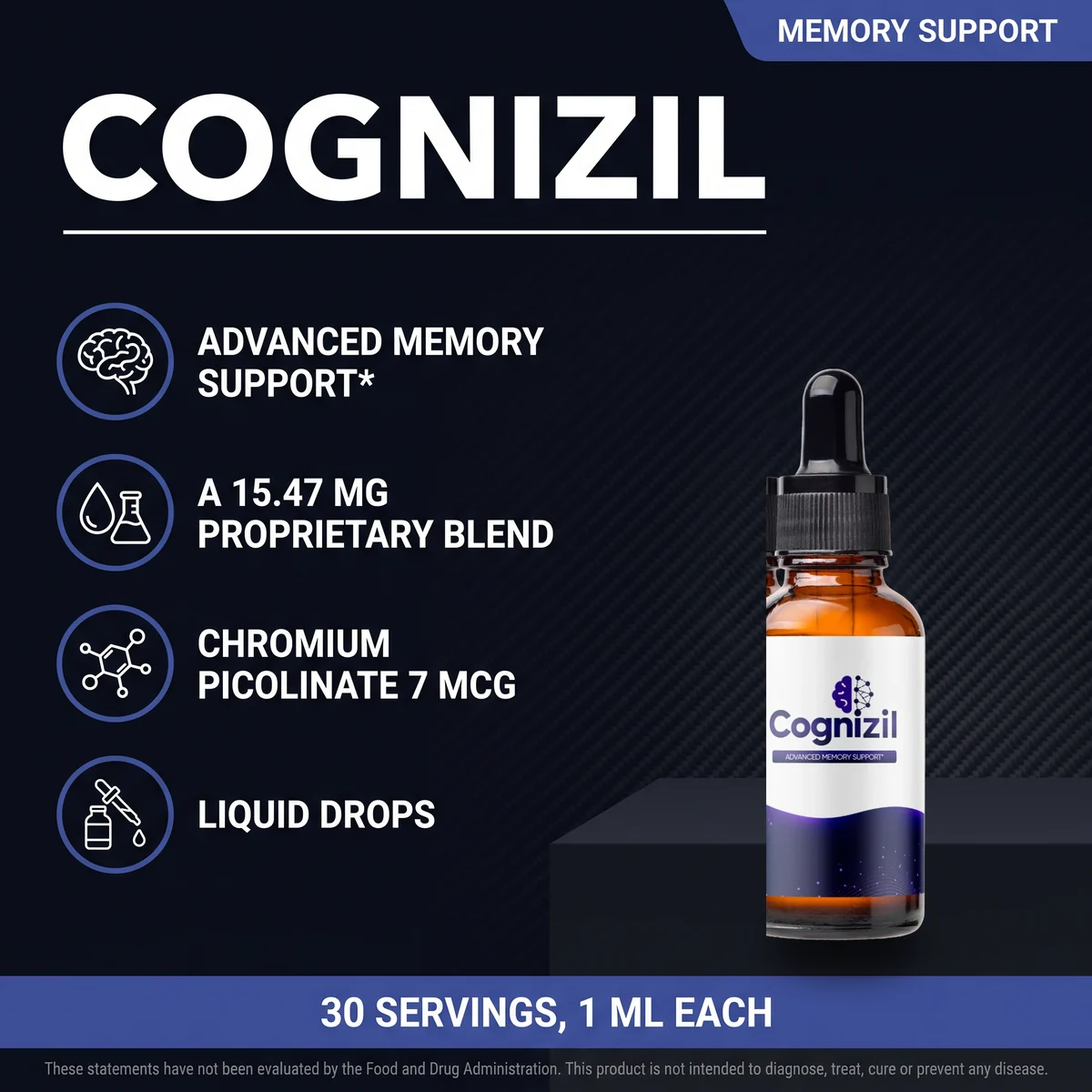
- An ingredient-first blend — 7 mcg chromium anchoring a 15.47 mg botanical mix — marketed as everyday support, never as a cure.
Search “do brain supplements really work” and you will find two extremes: breathless ads promising a genius pill, and cynics insisting the entire category is a scam. The truth is quieter and more useful than either. Below we walk through what “work” actually means, which claims are myths, whether these products are worth the money, which nootropics have the strongest footing, and how an honest label — like Cognizil’s — should read.
Do brain supplements really work, according to the evidence?
Brain supplements work best when they correct a genuine deficiency and least when they promise to upgrade an already well-nourished brain. That single sentence resolves most of the confusion. Health authorities are clear that nutrients such as B vitamins, iron, iodine and omega-3 fatty acids matter for normal brain function, so someone who is genuinely short on one of them can feel a real difference once the gap is filled. What the evidence does not support is the leap from “this nutrient is essential” to “extra amounts make a healthy person sharper.” Those are two very different claims, and honest products keep them apart.
For most botanical nootropics, the human research is encouraging but early. Ingredients like L-theanine, ginseng and L-tyrosine have plausible mechanisms and some supportive trials, yet the studies are often small, short or done in specific groups such as sleep-deprived or highly stressed people. That is why reputable bodies describe the picture as “promising but not conclusive” rather than settled: a 2025 network meta-analysis of plant active substances in healthy older adults concluded that the evidence base is small, inconsistent and often at risk of bias (Feng et al., Frontiers in Pharmacology, 2025), and NCCIH says much the same about dietary and herbal supplements generally (NCCIH). Treating a modest, situational effect as a guaranteed everyday boost is exactly the overreach this fact-check is built to flag.
What does “work” even mean for a nootropic?
“Work” is a slippery word, and the marketing exploits that. There is a wide gap between “this supports normal cognitive function” — a claim about staying in a healthy range — and “this boosts your IQ”, a claim about exceeding it. A product can reasonably help you feel a little calmer or more focused on a stressful day while doing nothing to raise your ceiling. When you read a review, mentally translate every promise into the modest version and ask whether it still sounds worth buying. Usually it does, just for smaller and more realistic reasons.
Which brain supplement claims are myths?
The most common memory supplement myths all share one flaw: they promise more than a capsule can plausibly deliver. Spotting them is the fastest way to shop well, because once you can name the myth you stop paying a premium for it. The table below lines up the four claims we see most often against a more accurate reading of the evidence.
| The hype claim (myth) | The honest reality |
|---|---|
| “Reverses memory loss” or “restores a younger brain” | No supplement is proven to reverse memory loss; persistent memory problems need a doctor, not a pill |
| “More ingredients = a better formula” | A long list can hide tiny, under-dosed amounts; transparency and sensible doses matter more than quantity |
| “Natural means proven and safe” | Natural is not the same as tested; botanicals still interact with medicines and vary in quality |
| “Take this instead of fixing your sleep and diet” | Habits do the heavy lifting; a supplement is a small add-on, never a replacement |
Notice the pattern: each myth quietly shifts a supplement from “supportive extra” to “primary fix.” That shift is where money gets wasted and where disappointment starts. A trustworthy label resists it, describing ingredients in terms of everyday support and traditional use rather than dramatic outcomes.
Are brain supplements worth it, or a waste of money?
Brain supplements are worth it only when your expectations are realistic and the product is transparent; they are a poor buy when you expect a dramatic transformation. The best return on your money almost always comes from fixing the fundamentals first — sleep, movement, a varied diet, stress management — because those affect memory and focus far more than any dropper. Exercise is the clearest example: an umbrella review of meta-analyses in the British Journal of Sports Medicine found consistent improvements in cognition, memory and executive function from regular physical activity (Singh et al., British Journal of Sports Medicine, 2025), a standard of evidence no supplement in this category comes close to. Once those basics are in place, a well-formulated blend can be a reasonable, low-stakes extra, the way a multivitamin is: not essential, not magical, but a sensible small layer for some people.
Value also depends on what you can actually see. A product that names its key nutrient, states a serving size and describes its ingredients honestly is easier to judge than one hiding behind a giant proprietary blend and a stack of cure claims. Price per bottle matters, but transparency matters more — you are paying for something you can reason about rather than a promise you cannot check.
Which nootropics that work have the best evidence?
The nootropics with the strongest footing are established nutrients where correcting a shortfall has clear value, followed by a short list of traditionally used botanicals and amino acids with encouraging early human data. The table below sorts common ingredients by how solid the evidence is, using deliberately plain language so you can calibrate expectations before you buy anything.
| Ingredient type | Evidence footing | Honest expectation |
|---|---|---|
| Core nutrients (B vitamins, omega-3, iron, iodine) | Strong for correcting a genuine deficiency | Real benefit if you were short; little extra if you were already replete |
| Minerals like chromium | Established role in normal macronutrient metabolism | Supports normal function; not a memory booster on its own |
| L-theanine, L-tyrosine | Encouraging but early, often in stressed groups | Situational calm or focus support, not a guaranteed daily lift |
| Ginseng, maca, green tea botanicals | Long traditional use, developing modern research | Traditionally used for energy and clarity; evidence still maturing |
| “Miracle” single-pill memory cures | No credible support | Avoid; these are the myths, not the medicine |
For an ingredient-by-ingredient walk-through of the botanicals in this category, our guide to nootropic ingredients for focus and memory goes deeper, and if you want the mineral detail specifically, see chromium picolinate for memory and focus. To turn the same evidence ranking into a shopping list, our roundup of the best memory supplements to look for and the five-point test in how to choose a brain supplement pick up where this table stops.
See the exact dose in Cognizil
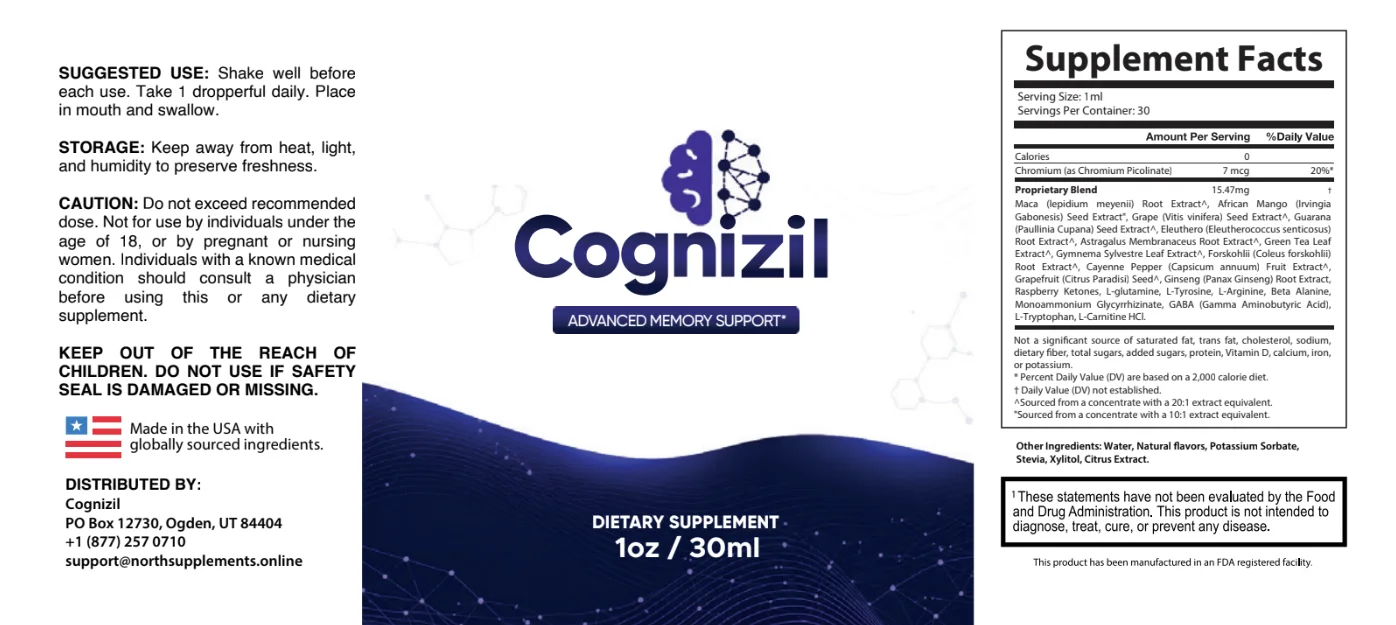
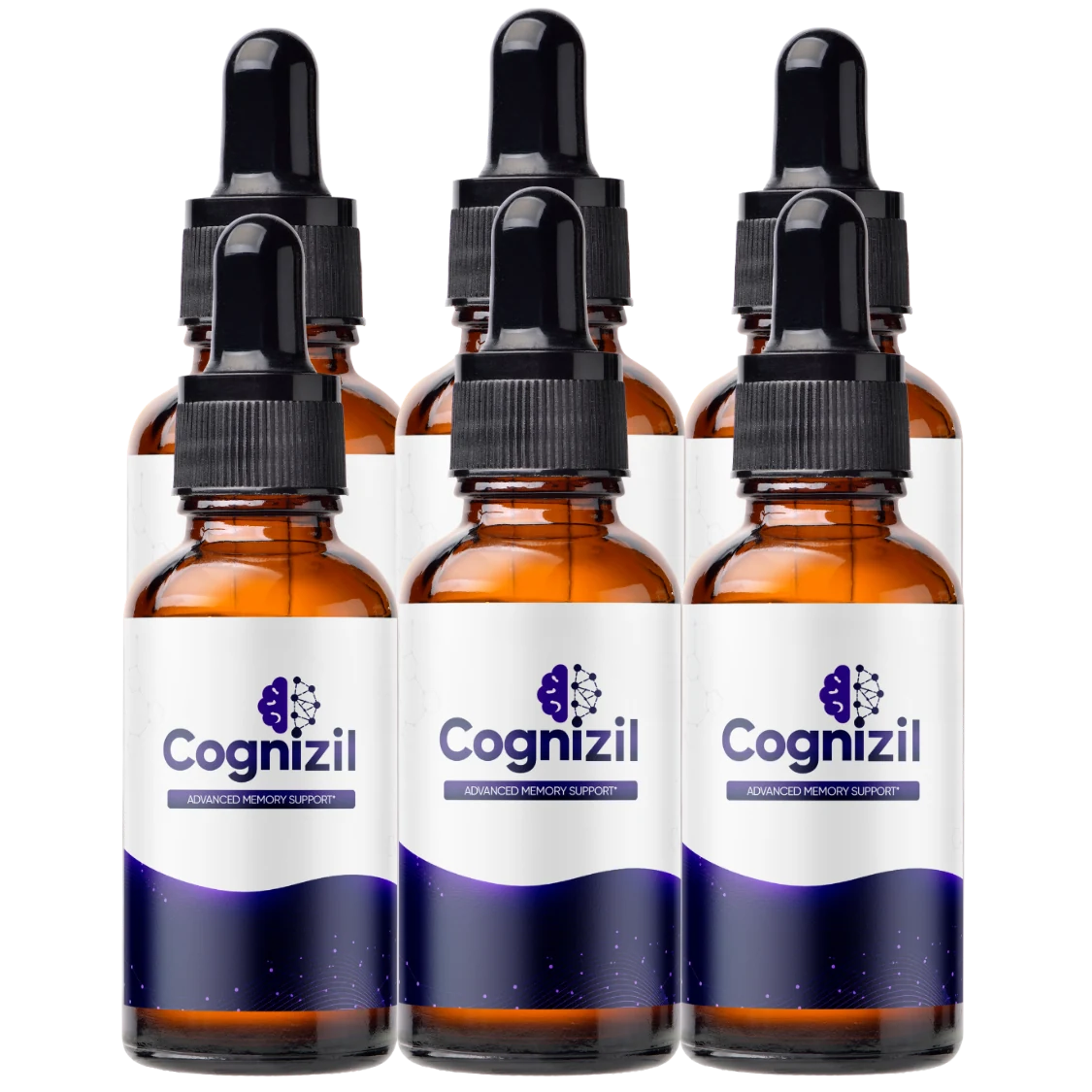
Instead of a vague miracle claim, Cognizil names what is inside: 7 mcg of chromium (about 20% DV) anchoring a 15.47 mg botanical and amino-acid blend in easy-to-take daily drops. The six-bottle bundle is the best value at $49 per bottle and ships free within the U.S.
See the exact dose in Cognizil — from $49/bottleHow does Cognizil frame its claims differently?
Cognizil is built around an ingredient-first, no-cure philosophy: it tells you exactly what its quantified nutrient is and describes the rest in terms of traditional use, not disease reversal. That framing is the whole point of this fact-check made concrete. Rather than promising to “restore your memory,” the label states its single measured nutrient — 7 mcg of chromium as chromium picolinate, roughly 20% of the Daily Value — and presents its 15.47 mg blend of botanicals and amino acids as everyday support for clarity and focus. It positions itself as a small daily layer around good habits, which is exactly where the evidence says a supplement belongs.
What is actually in Cognizil?
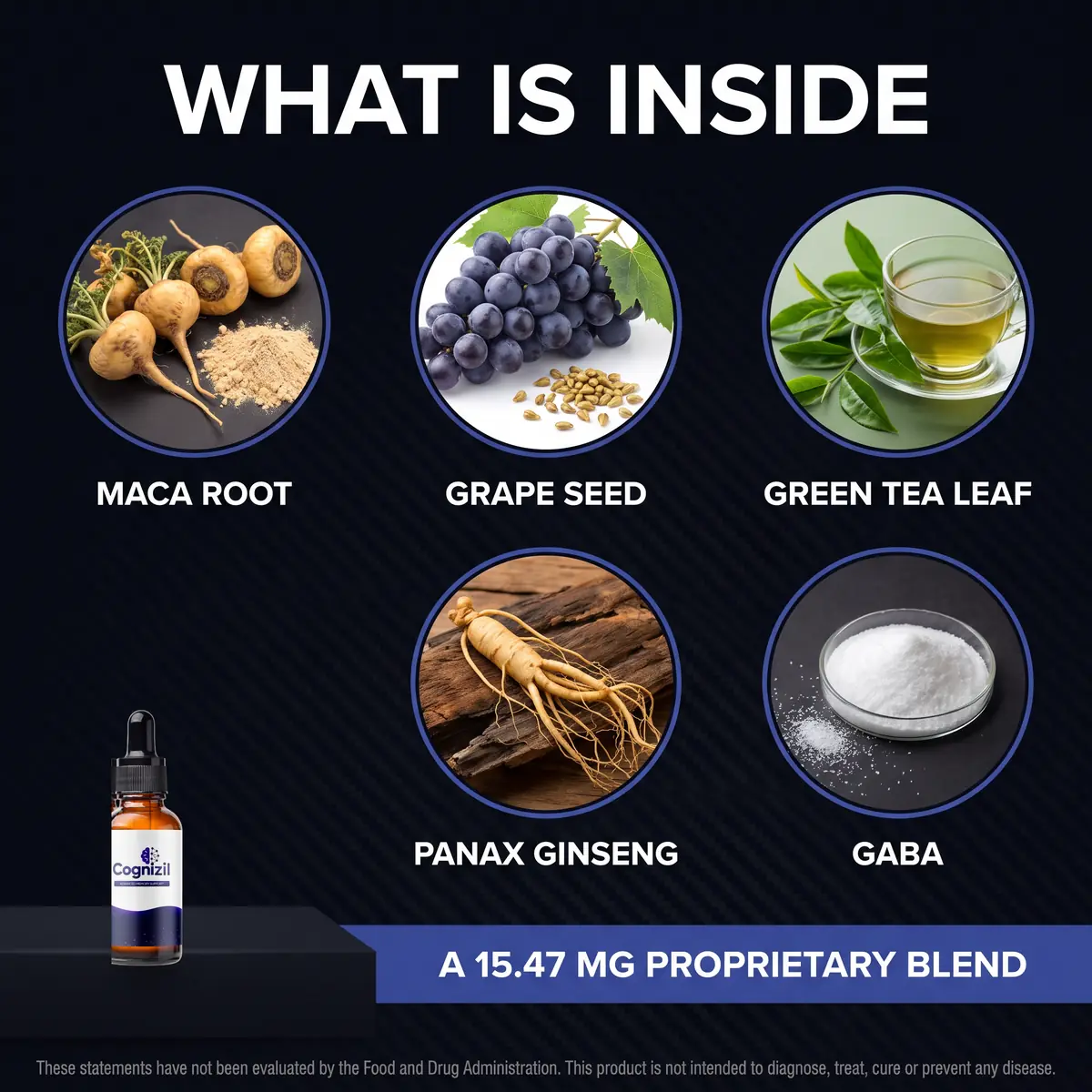
The 15.47 mg blend gathers ingredients people have long reached for around focus, calm and everyday energy: maca root, grape seed, green tea leaf, panax ginseng, guarana, GABA and L-tyrosine, among others, with chromium as the metabolic anchor tied to normal macronutrient handling. None of these are sold here as a cure, and that restraint is deliberate. If you want the honest, expectation-setting version of what a daily routine can and cannot do, our guide to how to improve memory and focus naturally puts supplements in their proper place beside sleep, movement and diet.
How do you spot a memory supplement myth on a label?
You spot a memory supplement myth by watching for outcome promises that no supplement can honestly make. Words like “cure,” “reverse,” “treat” and “guaranteed results” are red flags, because dietary supplements are not permitted to claim they diagnose, treat, cure or prevent disease — the FDA sets out that boundary plainly (U.S. Food and Drug Administration). Nor is the label always accurate about what is inside: laboratory analyses of supplements on sale in the United States have found measured contents that did not match the panel (Crawford et al., Nutrients, 2024). Equally telling is what a label hides: a huge proprietary blend with no per-ingredient amounts, a wall of testimonials standing in for evidence, or fake urgency and invented awards. Trustworthy products do the opposite — they quantify at least one nutrient, keep the language modest, and let you check their claims against independent sources.
A quick habit helps here: before buying, translate the headline promise into its realistic form and see whether the product still appeals. “Restores your memory” becomes “may support normal focus for some people, alongside good habits.” If that honest version still fits what you want, the product may be worth trying. If it collapses without the hype, you have found a myth, not a medicine.

When should you see a doctor instead of buying a supplement?
No supplement is a substitute for medical care, and persistent cognitive symptoms deserve a professional, not a purchase. See a doctor if you or someone close to you notices memory loss that disrupts daily life, growing confusion, difficulty finding words, or sudden changes in thinking, because these can have treatable causes that a supplement will never address. You should also talk to a healthcare professional before starting any brain supplement if you are pregnant, nursing, under 18, managing a health condition, or taking medication, since even “natural” botanicals can interact with drugs. Used sensibly, a transparent product like Cognizil is a small support around good habits and proper care — never a replacement for either.
Frequently asked questions
Do brain supplements really work?
It depends on what you expect. No supplement makes a healthy brain measurably smarter overnight, and any product promising that is overselling. What the evidence supports is narrower: correcting a genuine nutrient shortfall can help you feel more normal, and some traditionally used ingredients are associated with everyday calm and focus. Brain supplements are best understood as supports around sleep, diet and exercise, not shortcuts that replace them.
Are brain supplements worth it?
Brain supplements can be worth it if you have realistic expectations and choose a transparent product, and a poor value if you expect a dramatic IQ boost. The best return comes from fixing the basics first, then adding a well-formulated blend as a small, consistent extra. Judge value by ingredient transparency, sensible dosing and honest marketing rather than by the size of the promise on the label.
Which nootropics actually have evidence behind them?
The best-supported ingredients tend to be established nutrients such as B vitamins, omega-3s and minerals like chromium, where correcting a shortfall has clear value, plus a handful of traditionally used botanicals and amino acids such as L-theanine, L-tyrosine and ginseng with encouraging but still-developing human evidence. Even for these, the honest framing is support for normal function, not a cure or a guaranteed memory gain.
What are common memory supplement myths?
Common myths include the idea that one pill can reverse memory loss, that a bigger ingredient list always means a better product, that natural automatically means proven or safe, and that a supplement can replace sleep, exercise and a good diet. Each of these overstates what a supplement does. A more accurate view is that supplements are a small, optional layer on top of daily habits that matter far more.
How is Cognizil different from typical brain supplements?
Cognizil takes an ingredient-first, no-cure approach: it names its one quantified nutrient, 7 mcg of chromium as chromium picolinate at about 20 percent of the Daily Value, and describes its 15.47 mg botanical and amino-acid blend in terms of traditional use rather than disease claims. It positions itself as everyday memory and focus support around good habits, not as a treatment for any condition.
Can a brain supplement replace a healthy lifestyle?
No. Sleep, regular movement, a varied diet, social connection and managing stress do far more for memory and focus than any capsule or dropper, and the research consistently points to those habits first. A supplement is at most a small, consistent add-on. If a product implies you can skip the fundamentals and still get its benefits, treat that as a warning sign rather than a feature.
Check today’s Cognizil pricing →
Cognizil is a dietary supplement, not a treatment for any medical condition. These statements have not been evaluated by the Food and Drug Administration. This product is not intended to diagnose, treat, cure or prevent any disease. Always consult a qualified healthcare professional about your individual needs.
References & further reading
- National Center for Complementary and Integrative Health. Dietary and Herbal Supplements — overview. nccih.nih.gov/health/dietary-and-herbal-supplements
- National Institute on Aging (NIH). Cognitive Health and Older Adults. nia.nih.gov/health/brain-health/cognitive-health-and-older-adults
- Singh B, et al. Effectiveness of exercise for improving cognition, memory and executive function: a systematic umbrella review and meta-meta-analysis. British Journal of Sports Medicine, 2025. pubmed.ncbi.nlm.nih.gov/40049759
- Mayo Clinic. Memory loss: When to seek help. mayoclinic.org/diseases-conditions/memory-loss
- Examine.com. Nootropics — evidence-based analysis. examine.com/topics/nootropics
- National Institute on Aging (NIH). Cognitive Health and Older Adults. nia.nih.gov/health/brain-health/cognitive-health-and-older-adults
- Feng X, et al. The effect of plant active substances on cognitive function in healthy older adults: a systematic review and network meta-analysis of randomized controlled trials. Frontiers in Pharmacology, 2025. pubmed.ncbi.nlm.nih.gov/41640686
- Crawford C, et al. Label Accuracy and Quality of Select Weight-Loss Dietary Supplements Sold on or near US Military Bases. Nutrients, 2024. pubmed.ncbi.nlm.nih.gov/39770990
These references describe brain-supplement ingredients in general terms and do not constitute evidence that any product treats, cures or prevents any condition.
Keep reading: how nootropic ingredients work · how to improve memory and focus naturally · chromium picolinate for memory and focus · back to the Cognizil blog · read the Cognizil review.