Chromium picolinate for the brain: the one quantified nutrient in Cognizil
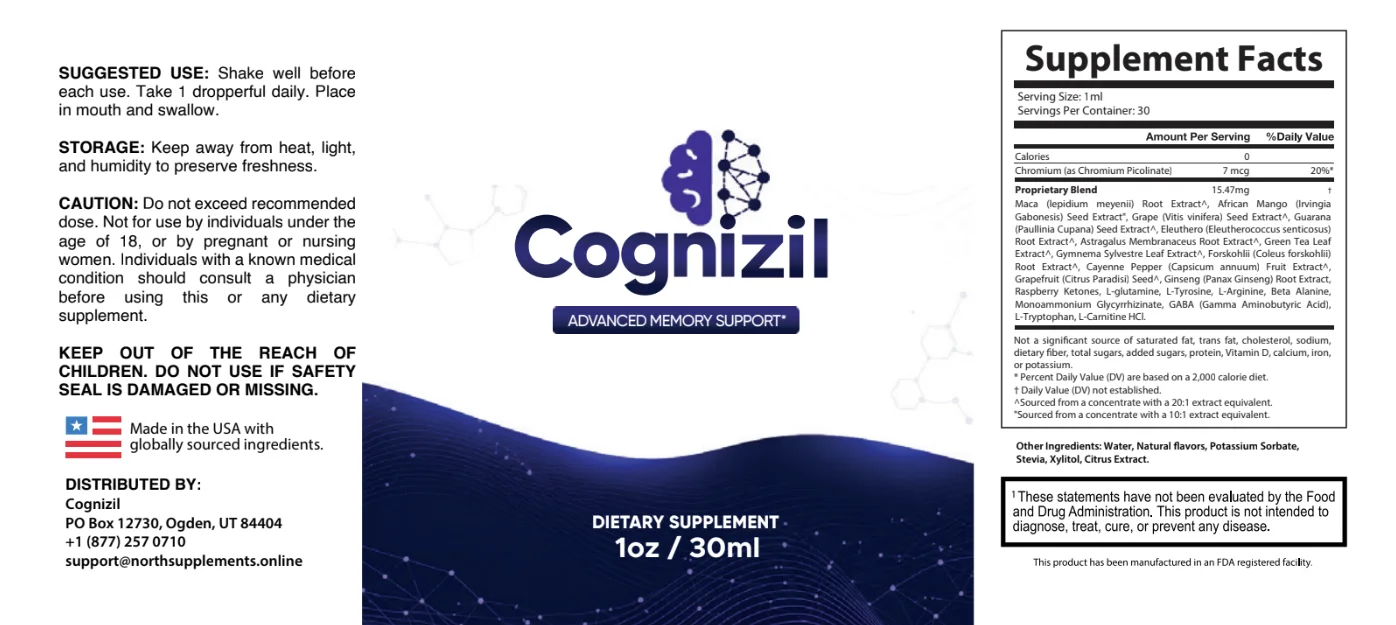
Chromium picolinate is a well-absorbed form of chromium, an essential trace mineral that contributes to normal macronutrient metabolism and helps maintain normal blood glucose levels. In Cognizil it is the single nutrient with a hard number on the label — 7 mcg per dropperful, about 20% of the Daily Value — and it acts as the metabolic anchor beneath a 15.47 mg blend of botanicals and amino acids. What it does not do is directly sharpen memory on its own, and this guide is honest about that line.
Chromium picolinate for the brain, in one place.
- What it is
- Chromium bound to picolinic acid — a well-absorbed form of an essential trace mineral involved in everyday macronutrient metabolism.
- The brain link
- Chromium supports normal glucose handling, and the brain runs almost entirely on glucose, so the connection is metabolic and indirect rather than a direct memory effect.
- How much in Cognizil
- 7 mcg per 1 ml serving — roughly 20% of the Daily Value — the only quantified nutrient on the panel.
- Why picolinate
- The picolinate form generally absorbs better than some inorganic chromium salts, so more of a small dose reaches the body.
- Honest caveat
- Evidence that chromium boosts memory or focus in healthy people is limited; it is a supporting nutrient, not a treatment for any condition.
Most of a nootropic label is a proprietary blend with no individual milligram figures. Chromium is the exception in Cognizil: it carries a precise dose and a recognised nutritional role, which is exactly why it is worth understanding on its own.
What is chromium picolinate, and what does it actually do?
Chromium is an essential trace mineral your body needs in tiny amounts to help insulin do its job of moving glucose, fats and proteins through normal metabolism. It is not a stimulant or a herb; it is a mineral, in the same broad family as iron or zinc, that the body cannot make and must get from food. Chromium picolinate is simply chromium bound to picolinic acid, a small organic molecule that helps carry the mineral across the gut wall.
Authorities such as the U.S. National Institutes of Health list chromium’s core function as supporting the action of insulin and, through it, the metabolism of carbohydrate, fat and protein (NIH Office of Dietary Supplements). That is the claim the science genuinely supports, and it is the language Cognizil sticks to: chromium contributes to normal macronutrient metabolism.
Why is a metabolism mineral in a memory formula like Cognizil?
The brain is the body’s most energy-hungry organ, and it runs almost entirely on a steady supply of glucose. That single fact is the bridge between a metabolism mineral and a formula aimed at focus: anything that helps keep glucose handling normal is, indirectly, helping keep the brain’s fuel supply even.
How does the glucose–brain connection work?
Your brain cannot store much fuel, so it depends on a continuous, well-regulated flow of glucose from the blood. When that flow is steady, mental energy tends to feel steady too; when it spikes and crashes — the classic mid-afternoon slump after a sugary lunch — concentration is usually the first thing to wobble. Chromium’s documented role in normal glucose metabolism is why it earns a place beside cognitive botanicals: it works on the fuel line.
What does the evidence actually show — and not show?
Here is the honest boundary. Chromium’s role in normal macronutrient metabolism and glucose handling is well established. Its role as a direct memory or focus enhancer in healthy people is not. Some small studies have explored chromium and cognition — a 2010 trial in Nutritional Neuroscience reported changes on some cognitive and imaging measures in older adults given chromium picolinate (Krikorian et al., Nutritional Neuroscience, 2010) — but results are mixed and far from conclusive. A Cochrane review of vitamin and mineral supplementation in people with mild cognitive impairment found no convincing evidence that supplementing minerals slows cognitive decline (McCleery et al., Cochrane Database of Systematic Reviews, 2018), and reputable bodies do not claim chromium improves cognition. Our wider fact-check on whether brain supplements really work applies the same test to the rest of the category. So the accurate framing is this: chromium is a supporting metabolic nutrient in Cognizil, not the reason anyone would expect a mental lift.

Why the picolinate form of chromium?
Not all chromium is absorbed equally, and the form on the label matters more than the raw milligram count. Chromium picolinate pairs the mineral with picolinic acid, a naturally occurring carrier that generally improves how much chromium survives the journey through the digestive tract compared with some inorganic salts such as chromium chloride.
For a nutrient dosed in micrograms, absorption is everything: a fractionally better uptake means a bigger share of an already small dose reaches the body. That is the practical reason picolinate has become one of the most common supplemental forms, and it is the form Cognizil uses.
| Chromium form | What it is | Absorption note |
|---|---|---|
| Chromium picolinate | Chromium bound to picolinic acid | Generally well absorbed; the form used in Cognizil |
| Chromium chloride | Inorganic chromium salt | Historically common but typically less well absorbed |
| Chromium nicotinate/polynicotinate | Chromium bound to niacin | Also used in supplements; absorption broadly comparable to picolinate |
| Food chromium | Naturally present in whole foods | Small, variable amounts in grains, broccoli, nuts and beans |
How much chromium is in Cognizil, and is 7 mcg enough?
Each 1 ml dropperful of Cognizil supplies 7 mcg of chromium as chromium picolinate, which the label lists at roughly 20% of the Daily Value. That is a deliberately modest, food-level top-up rather than a mega-dose — the point is to complement the chromium you already get from meals, not to flood the body with a single mineral. The table below puts that 7 mcg in context.
| Measure | Figure | What it means |
|---|---|---|
| Chromium per serving | 7 mcg (as chromium picolinate) | The only quantified nutrient on the Cognizil panel |
| Percent Daily Value | ~20% DV | A modest daily top-up, not a therapeutic dose |
| Serving size | 1 ml dropperful | Liquid drops, taken once daily with or without food |
| Servings per bottle | 30 | A one-month supply per bottle |
| Alongside chromium | 15.47 mg blend | Maca, grape seed, green tea, panax ginseng, GABA, L-tyrosine and more |
In short, chromium is the measured foundation and the botanical blend is the character of the formula. For the mechanism behind the plant and amino-acid side, our guide to nootropic ingredients for focus and memory breaks each one down.
See the exact dose in Cognizil
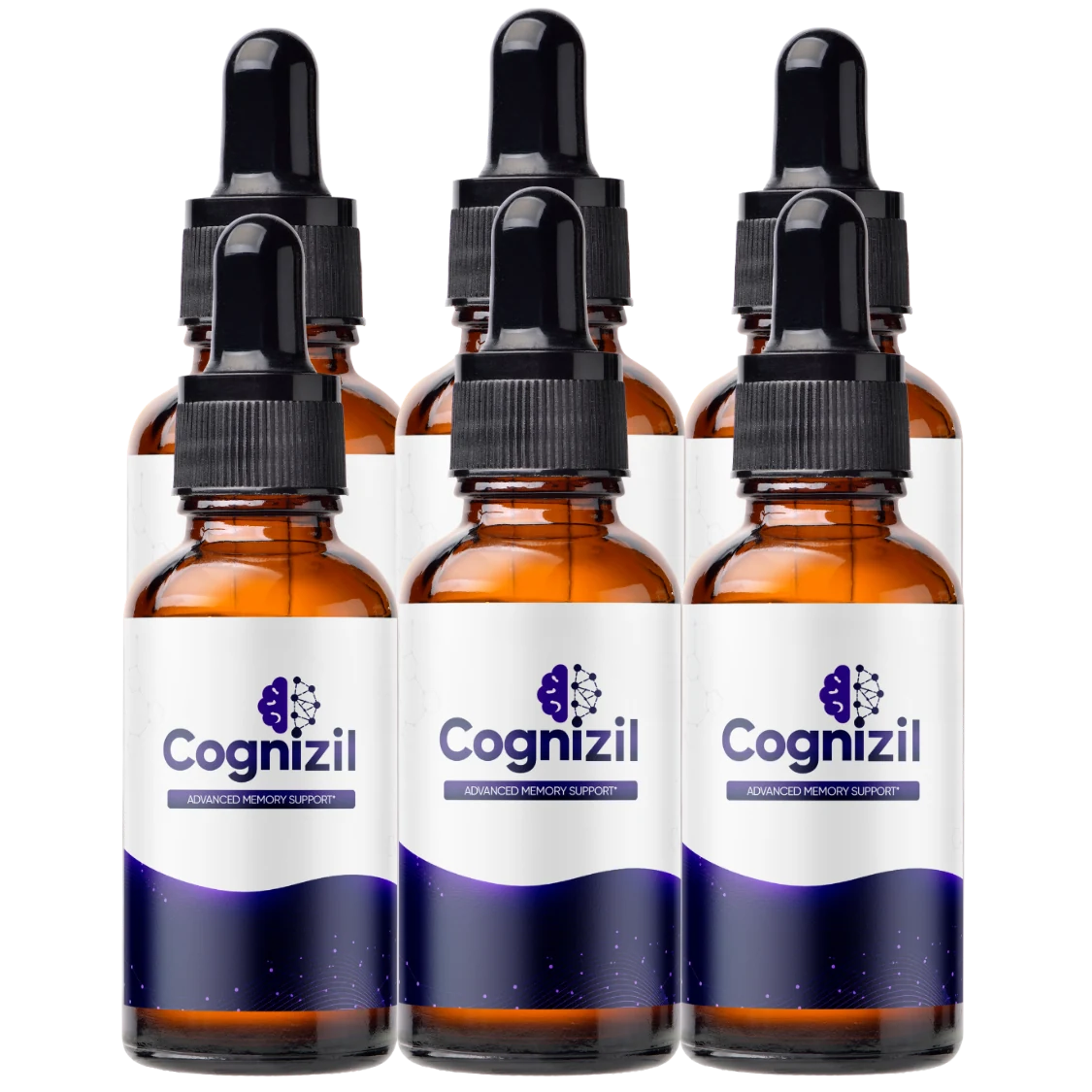
The 7 mcg of chromium picolinate sits on the same panel as the full 15.47 mg botanical and amino-acid blend. The six-bottle bundle is the best value at $49 per bottle and ships free within the U.S.
Order Cognizil — from $49/bottleWho might pay closer attention to chromium?
Chromium is an essential nutrient for everyone, but a few groups have reason to think about intake more deliberately. Diets heavy in refined, ultra-processed food tend to be lower in chromium, because much of the mineral is stripped out during refining. Older adults and those under sustained physical stress can also have higher needs. None of this makes chromium a fix for anything — it simply explains why a small, well-absorbed daily top-up is a sensible part of a broader routine.
Is chromium picolinate safe at this dose?
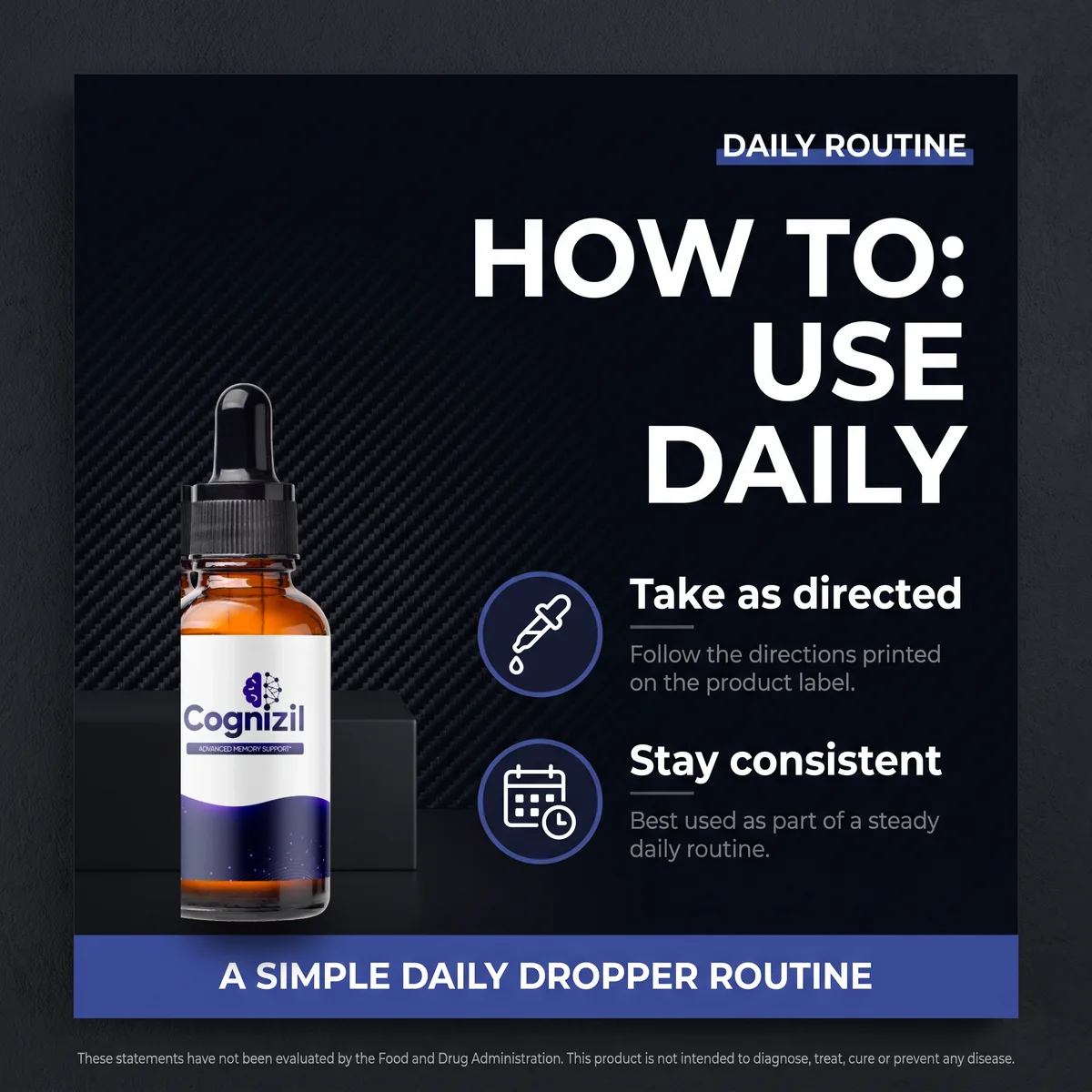
Trivalent chromium — the kind in food and in supplements like Cognizil — is considered safe for most healthy adults at typical intakes, and the NIH notes that no tolerable upper intake level has been set for it because ordinary amounts are so well tolerated (NIH Office of Dietary Supplements). Cognizil provides just 7 mcg per serving, comfortably within the range people get from everyday eating. The sensible caveats still apply: if you take medication for blood sugar or thyroid conditions, or you are pregnant, nursing or under 18, talk to your doctor first, because chromium can interact with how some of those medicines are managed.
How does chromium fit the rest of the Cognizil blend?
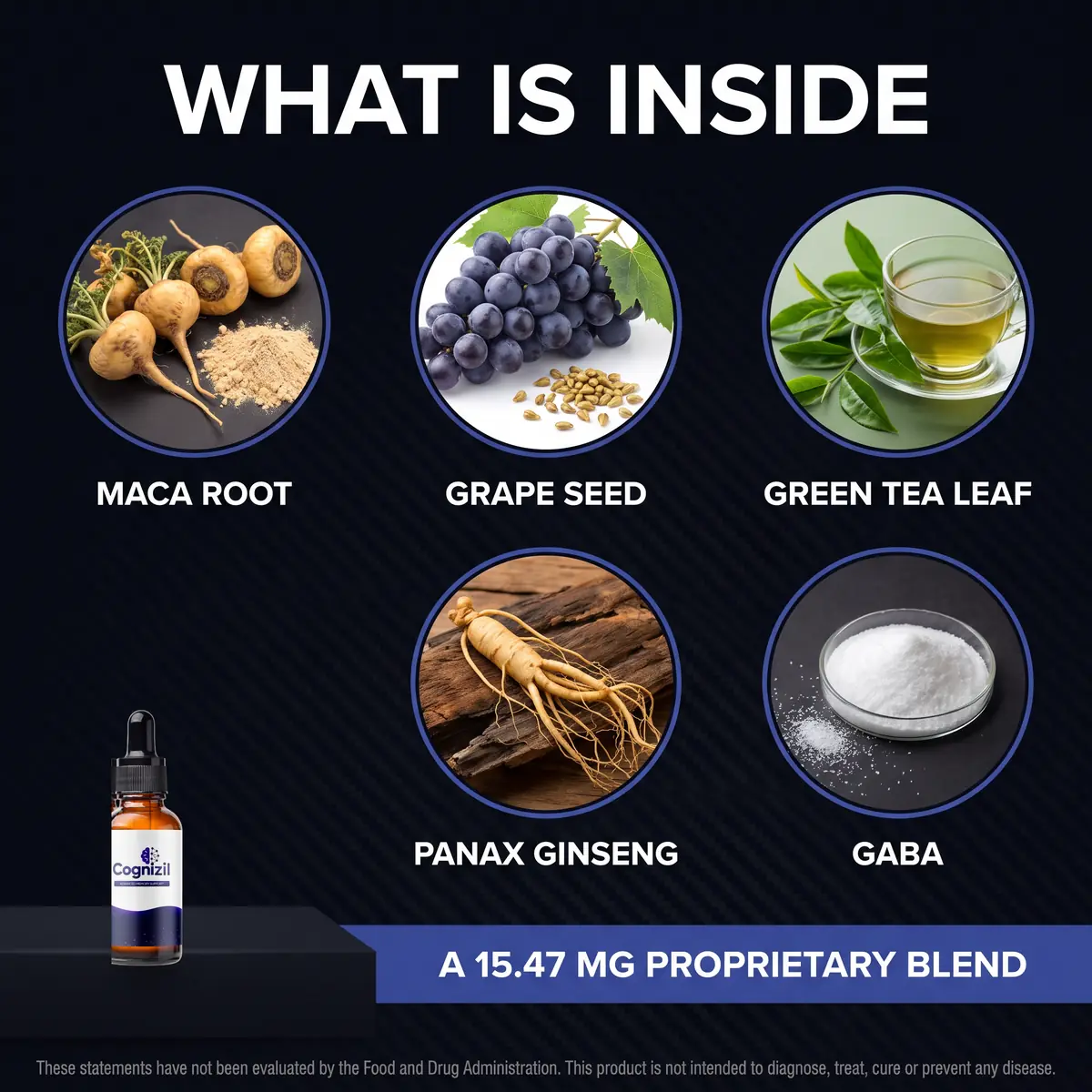
Think of chromium as the floor and the botanicals as the walls. The mineral does the quiet, measurable metabolic job, while the 15.47 mg blend — maca, grape seed, guarana, green tea, panax ginseng, GABA, L-tyrosine and more — brings the traditionally used ingredients people reach for around clarity, calm and everyday mental energy. Delivered as easy-to-take liquid drops, it is built to be taken once a day and kept consistent. For the bigger picture on habits that support the mind, see our guide to how to improve memory and focus naturally.
When should you talk to a doctor?
Chromium picolinate supports normal metabolism; it is not a treatment for diabetes, memory loss or any other condition, and no supplement should be used as one. Speak with your doctor before starting chromium if you manage blood sugar or thyroid conditions with medication, and seek care promptly if you or a loved one notice persistent memory loss that disrupts daily life, confusion, or sudden changes in thinking. Supplements are supports around a good diet and medical care, never substitutes for either.
Frequently asked questions
What does chromium picolinate do for the brain?
Chromium picolinate supplies chromium, a trace mineral that contributes to normal macronutrient metabolism and helps maintain normal blood glucose levels. Because the brain runs almost entirely on glucose, steady glucose handling is what indirectly supports steady mental energy. Direct evidence that chromium sharpens memory in healthy people is limited.
How much chromium is in Cognizil?
Each 1 ml dropperful of Cognizil supplies 7 mcg of chromium as chromium picolinate, which is about 20% of the Daily Value. It is the single quantified nutrient on the panel, alongside a 15.47 mg proprietary botanical and amino-acid blend.
Why the picolinate form of chromium?
Picolinate binds chromium to picolinic acid, a form that is generally better absorbed than some inorganic chromium salts. Better absorption means more of the small dose is actually available to the body, which is why picolinate is a common choice in supplements.
Is chromium picolinate safe?
Chromium from food and supplements is considered safe for most healthy adults at typical intakes, and no upper limit has been set for trivalent chromium. Cognizil provides only 7 mcg per serving, well within everyday intake. If you take diabetes or thyroid medication, are pregnant or nursing, speak with your doctor first.
Can chromium picolinate improve memory or focus on its own?
On its own, chromium is not an established memory booster. Its documented role is in normal metabolism and glucose handling rather than in cognition directly. In Cognizil it works as a metabolic anchor beside botanicals and amino acids traditionally used for mental clarity.
Do I still need chromium if I eat well?
Many whole foods contain small amounts of chromium, including whole grains, broccoli, nuts and green beans, so a varied diet supplies some already. A modest 20% DV top-up like the one in Cognizil is designed to complement that diet, not replace it.
Check today’s Cognizil pricing →
Cognizil is a dietary supplement, not a treatment for any medical condition. These statements have not been evaluated by the Food and Drug Administration. This product is not intended to diagnose, treat, cure or prevent any disease. Always consult a qualified healthcare professional about your individual needs.
References & further reading
- National Institutes of Health, Office of Dietary Supplements. Chromium — Fact Sheet for Health Professionals. ods.od.nih.gov/factsheets/Chromium-HealthProfessional
- National Institutes of Health, Office of Dietary Supplements. Chromium — Consumer Fact Sheet. ods.od.nih.gov/factsheets/Chromium-Consumer
- Examine.com. Chromium — evidence-based summary. examine.com/supplements/chromium
- McCleery J, et al. Vitamin and mineral supplementation for preventing dementia or delaying cognitive decline in people with mild cognitive impairment. Cochrane Database of Systematic Reviews, 2018. pubmed.ncbi.nlm.nih.gov/30383288
- Krikorian R, et al. Improved cognitive-cerebral function in older adults with chromium supplementation. Nutritional Neuroscience, 2010. pubmed.ncbi.nlm.nih.gov/20423560
These references describe chromium and its ingredients in general terms and do not constitute evidence that any product treats, cures or prevents any condition.
Keep reading: how nootropic ingredients work · best foods for brain health and memory · how to improve memory and focus naturally · back to the Cognizil blog · read the Cognizil review.