L-tyrosine for focus under stress: what it does in Cognizil
L-tyrosine is an amino acid the body uses as a raw material to build certain neurotransmitters — notably dopamine and norepinephrine — that help drive attention and mental effort. It is studied not as a general brain booster but as a nutrient that may help the brain keep those messengers topped up when everyday stress is draining them fastest. That precise, stress-specific role is why it earns a place in a focus blend like Cognizil.
What L-tyrosine is, and why it shows up in a focus supplement.
- What it is
- A common amino acid found in protein-rich foods and used by the body as a precursor to dopamine, norepinephrine and adrenaline.
- The focus link
- Those same neurotransmitters govern alertness and drive, so supplying their raw material is the logical reason tyrosine is studied for attention.
- Why "under stress"
- Most positive human studies test demanding conditions — cold, noise, sleep loss, heavy workload — where neurotransmitter demand outpaces supply.
- In Cognizil
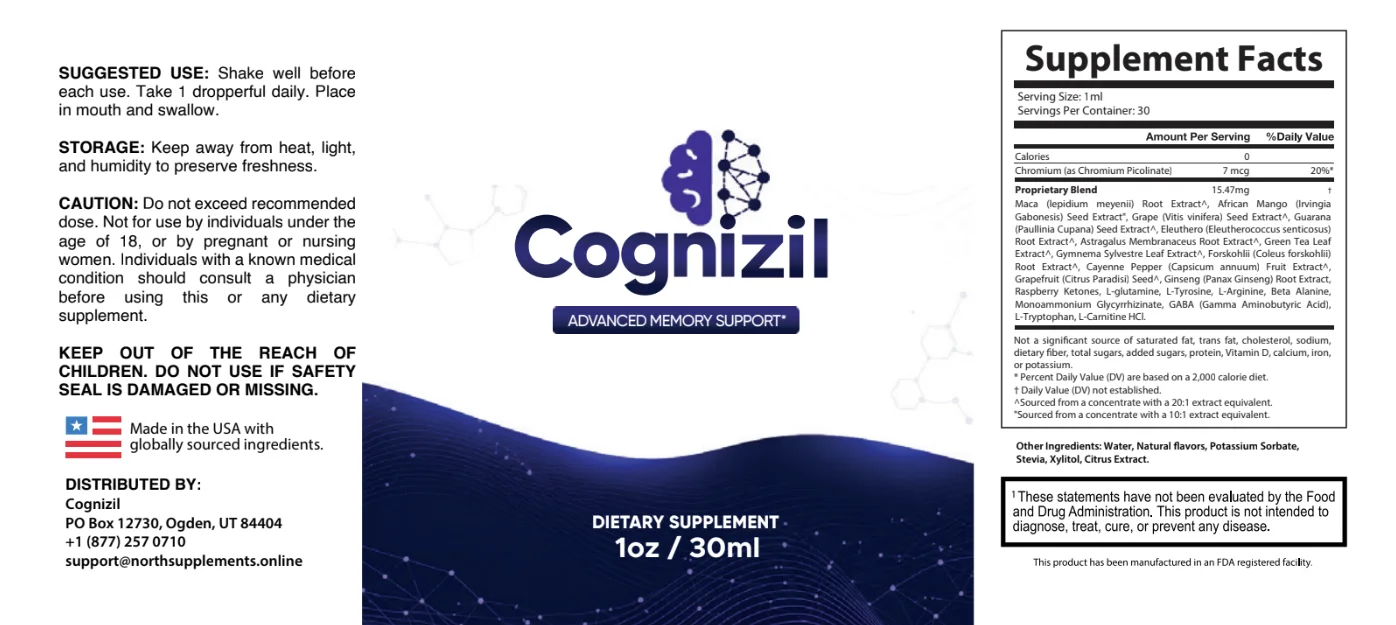
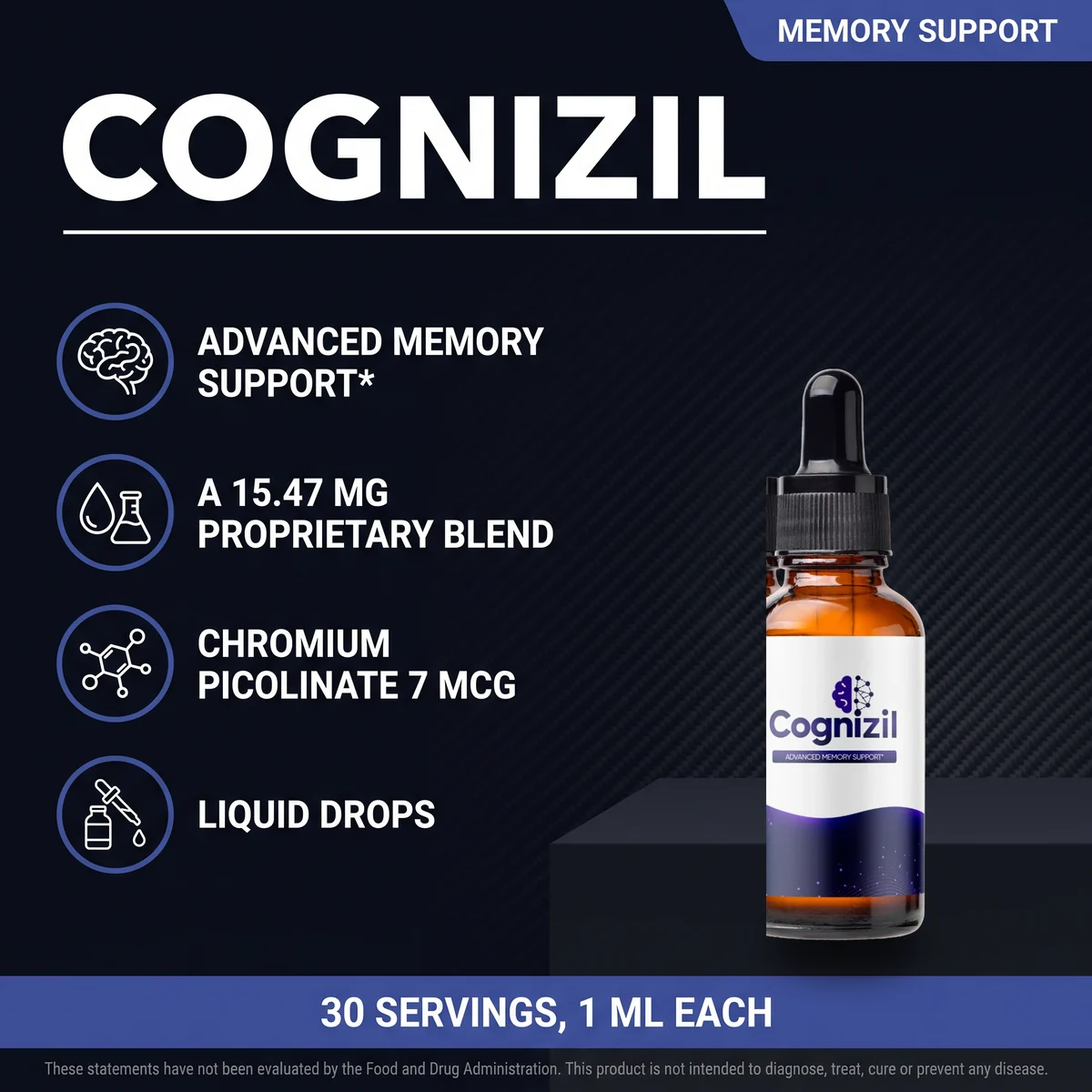
- One part of a 15.47 mg botanical and amino-acid blend, delivered as daily liquid drops for everyday nutritional support, not a treatment.
Of all the ingredients in a modern focus formula, L-tyrosine has one of the most specific stories. It is not a stimulant and does not claim to make anyone smarter. Its case rests on a simple piece of biochemistry: the neurotransmitters behind focus are made from amino acids, and tyrosine is the one at the front of that production line. This article covers what tyrosine is, how the pathway works, what the research shows, and how a measured dose fits into Cognizil.
What is L-tyrosine, exactly?
L-tyrosine is a non-essential amino acid, meaning the body can make it from phenylalanine while also getting it directly from food. It is abundant in ordinary protein sources — chicken, fish, eggs, dairy, soy, beans, nuts and seeds — so a normal mixed diet already supplies a steady amount daily. "Non-essential" refers only to whether you must eat it, not to whether it matters, and tyrosine matters because of what the body builds from it: not just the focus neurotransmitters, but also thyroid hormones and the pigment melanin.
How does L-tyrosine become a focus neurotransmitter?
L-tyrosine enters a short chemical assembly line that ends in the neurotransmitters most tied to drive and attention. In broad strokes it is converted to L-DOPA, then dopamine, which can be further converted into norepinephrine and adrenaline. Dopamine drives motivation and staying on task; norepinephrine sharpens alertness and the brain's response to what matters. Because tyrosine sits at the top of this pathway, the theory is simple: when the raw material is plentiful, the brain is less likely to run short during demanding stretches.
Does more tyrosine always mean more neurotransmitter?
No — and that caveat is central. Under ordinary, unstressed conditions the body already makes what it needs, and extra tyrosine tends to sit in reserve. The pathway appears most responsive precisely when demand is high, which is the thread running through the human studies below.

Why is L-tyrosine studied specifically under stress?
The reason "under stress" keeps appearing next to L-tyrosine is that stress is when neurotransmitter demand outpaces easy supply. Acute stressors — cold, loud noise, missed sleep, a heavy cognitive load — make the brain burn through dopamine and norepinephrine faster. Researchers reasoned that if supply were the bottleneck, loading the precursor might help the brain keep pace, so most trials were deliberately built around these taxing conditions rather than a quiet lab desk.
Several small human studies followed this logic. Military and laboratory experiments tested tyrosine during cold and altitude (Mahoney et al., Physiology & Behavior, 2007), sleep deprivation (Waters et al., Nutritional Neuroscience, 2003) and multitasking under noise, with some reporting better preserved working memory, reaction time or accuracy versus placebo. It is intriguing evidence that needs careful reading, which the next section does.
What does the evidence actually show — and not show?
The honest summary is that L-tyrosine has promising but limited evidence, concentrated in short-term, high-stress settings and drawn from small studies. Three points deserve a clear-eyed read. First, the benefits that appear are usually about protecting performance under pressure rather than boosting it in calm conditions; a well-rested person doing an easy task rarely sees a measurable difference. Second, the studies are typically small, use varied doses and tasks, and are not always easy to replicate, so confidence is moderate rather than high — the review that gathered them concluded tyrosine can help sustain performance in acute stress or high cognitive demand, but not as a general everyday enhancer (Jongkees et al., Journal of Psychiatric Research, 2015). Third, most positive trials used a single acute dose of several grams taken shortly before the challenge — a different context from a modest daily nutritional amount. None of this makes tyrosine uninteresting; it makes it a well-reasoned support with real but bounded evidence.
| Research setting | What was tested | General pattern reported |
|---|---|---|
| Cold / environmental stress | Memory and vigilance in harsh conditions | Some studies show performance better preserved with tyrosine than placebo. |
| Sleep deprivation | Alertness and reaction time after missed sleep | Short-term benefit reported in a few trials; not a substitute for sleep. |
| Heavy mental workload / noise | Working memory and multitasking accuracy | Mixed, with several positive small studies. |
| Calm, well-rested testing | General cognition without a stressor | Usually little or no measurable effect. |
Our guide to nootropic ingredients for focus and memory puts tyrosine in context alongside chromium, ginseng and green tea, and L-carnitine for brain energy and focus covers the other amino-acid half of the same blend.
See the exact dose in Cognizil →
How much L-tyrosine is in Cognizil, and how is it dosed?
In Cognizil, L-tyrosine is one component of a 15.47 mg proprietary botanical and amino-acid blend, paired with chromium and delivered as once-daily liquid drops. That is a nutritional-support level rather than the multi-gram acute dose used in the harshest research studies, and the formula is honest about that distinction: it is built as a steady daily companion to sleep, food and movement, not a pre-exam performance shot. The liquid format is about convenience and consistency — a dropper you take at the same moment each morning.
Can you isolate what tyrosine alone contributes?
Not from a label. Because tyrosine shares the blend with maca, green tea, panax ginseng and GABA, its individual contribution cannot be separated out, and Cognizil does not claim it can. The formula's logic is combination and consistency, not a single heroic ingredient. See the full breakdown in the ingredients section or read the complete Cognizil review.
| Question | Acute research dose | Cognizil daily approach |
|---|---|---|
| Amount | Often several grams, one time | Part of a 15.47 mg daily blend |
| Timing | 30–60 min before a hard task | Same time each morning |
| Goal | Protect performance in one demanding session | Everyday nutritional support, consistently |
| Format | Powder or capsule in studies | Fast liquid dropper |
Keep the raw material topped up daily
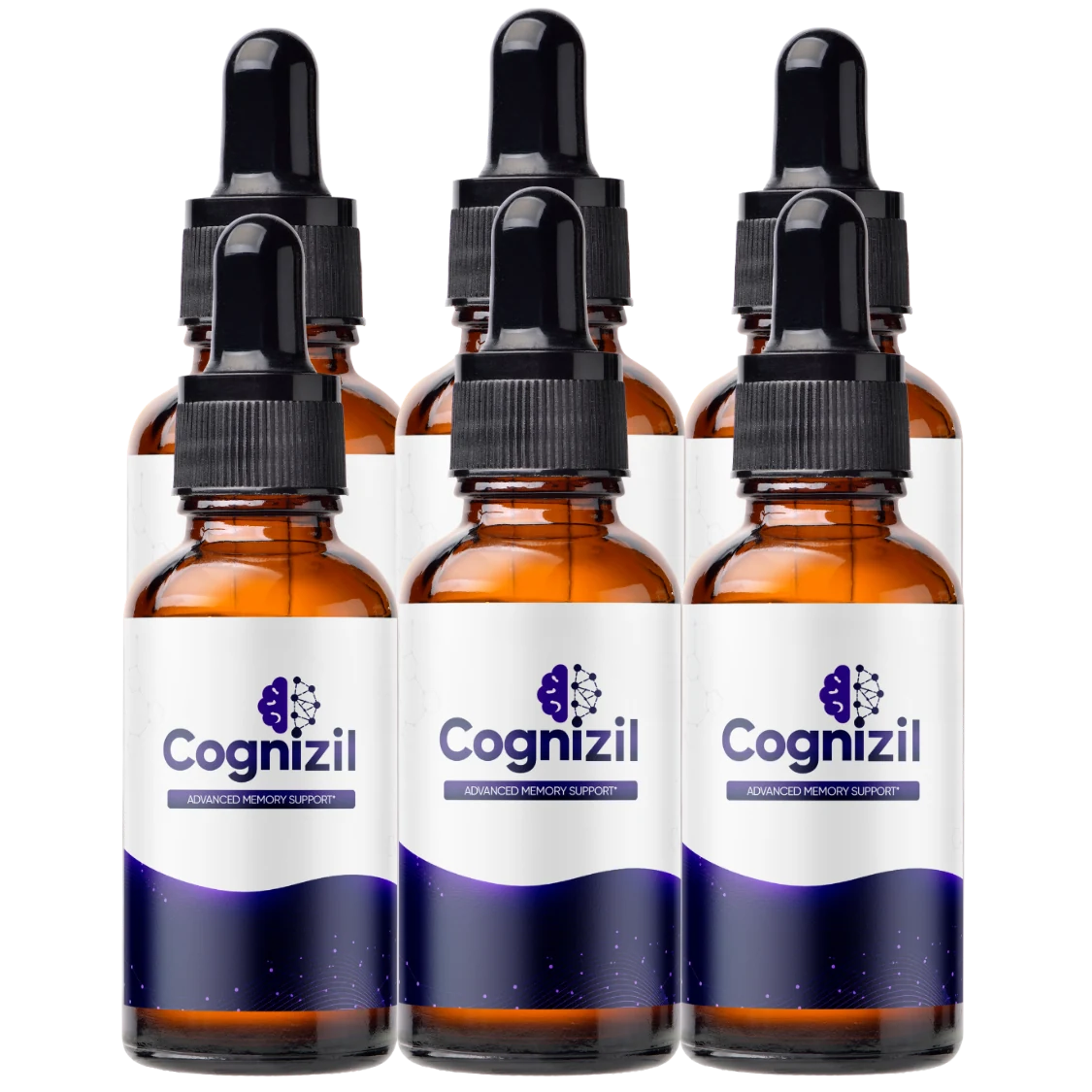
Cognizil pairs chromium with a 15.47 mg botanical and amino-acid blend — L-tyrosine included — in a once-daily dropper. The six-bottle bundle is the best value at $49 per bottle, with free U.S. shipping and a 180-day guarantee.
Check today's Cognizil pricing — from $49/bottleHow does L-tyrosine compare with caffeine and L-theanine?
L-tyrosine, caffeine and L-theanine do three different jobs, which is why blends often use more than one. Caffeine is a direct stimulant that raises alertness quickly but borrows energy against later sleep. L-theanine, found in green tea, promotes a calm-yet-alert state and smooths caffeine's edge. L-tyrosine does neither directly; it supplies a building block so the brain has material to draw on when stress runs the tanks low. As a team: caffeine the push, theanine the calm, tyrosine the raw supply — complementary, not interchangeable.
Because tyrosine is not a stimulant, it will not produce a jittery lift or an afternoon crash on its own — a poor choice for an instant hit, a reasonable one for steady, all-day support. For how food and nutrients work together, see the best foods for brain health and memory.
Who should be cautious with L-tyrosine?
L-tyrosine is generally well tolerated in food and supplement amounts, but it is not right for everyone, and a short conversation with a doctor settles the question. Because tyrosine feeds pathways that overlap with thyroid hormones and certain medications, it deserves extra care if you take thyroid medication, an MAOI antidepressant, or levodopa; if you are pregnant, nursing or under 18; or if you manage a diagnosed condition. NCCIH keeps a general guide to weighing supplement risks and interactions (NCCIH). In those situations the interaction matters more than the nutrient. For most healthy adults on a normal diet, the tyrosine in a blend like Cognizil is a modest addition on top of what food already provides — start as directed and check in with a professional if anything seems off.
Frequently asked questions
What is L-tyrosine and what does it do for focus?
L-tyrosine is an amino acid the body uses as a raw material to make certain neurotransmitters, including dopamine and norepinephrine, which are involved in attention and drive. It is studied as a nutrient that may help the brain keep up production of these messengers when everyday stress is depleting them.
Does L-tyrosine work better under stress?
Most of the human research on L-tyrosine looks specifically at demanding conditions such as cold, noise, sleep loss or heavy mental workload. In those settings some studies report it helps preserve working memory and reaction time, while under calm, well-rested conditions the effect is usually small or absent.
How much L-tyrosine is in Cognizil?
L-tyrosine is one component of Cognizil's 15.47 mg proprietary botanical and amino-acid blend, alongside maca, green tea, panax ginseng and GABA, delivered as once-daily liquid drops. The blend is designed as everyday nutritional support, not as a high-dose acute performance dose.
When should I take L-tyrosine for focus?
Acute research often uses a dose taken 30 to 60 minutes before a demanding task. For a daily supplement like Cognizil, most people simply take it at the same time each morning so it becomes an automatic part of the routine. Consistency matters more than precise timing.
Is L-tyrosine safe?
L-tyrosine is generally well tolerated in the amounts found in food and supplements, but it is not right for everyone. People taking thyroid medication, MAOI antidepressants or levodopa, and anyone who is pregnant, nursing or managing a health condition, should talk to a doctor before using it.
Can L-tyrosine replace sleep or coffee?
No. L-tyrosine supplies a building block for neurotransmitters, but it cannot substitute for the recovery that sleep provides or the direct alertness of caffeine. It is best viewed as one nutritional support within a routine built on sleep, movement and steady meals.
Try Cognizil with the 180-day guarantee →
Cognizil is a dietary supplement, not a treatment for any medical condition. These statements have not been evaluated by the Food and Drug Administration. This product is not intended to diagnose, treat, cure or prevent any disease. Always consult a qualified healthcare professional about your individual needs.
References & further reading
- Examine.com. L-Tyrosine — evidence-based summary. examine.com/supplements/l-tyrosine
- PubMed / U.S. National Library of Medicine. Jongkees BJ et al. Effect of tyrosine supplementation on clinical and healthy populations under stress or cognitive demands — a review. pubmed.ncbi.nlm.nih.gov/26424423
- Mahoney CR, et al. Tyrosine supplementation mitigates working memory decrements during cold exposure. Physiology & Behavior, 2007. pubmed.ncbi.nlm.nih.gov/17585971
- Waters WF, et al. A comparison of tyrosine against placebo, phentermine, caffeine, and D-amphetamine during sleep deprivation. Nutritional Neuroscience, 2003. pubmed.ncbi.nlm.nih.gov/12887139
- National Center for Complementary and Integrative Health (NCCIH). Dietary and Herbal Supplements. nccih.nih.gov/health/dietary-and-herbal-supplements
These references describe L-tyrosine in general terms and do not constitute evidence that any product treats, cures or prevents any condition.
Keep reading: how nootropic ingredients work · improve memory and focus naturally · back to the Cognizil blog · homepage.