Best foods for brain health and memory: a complete Cognizil list
The best foods for brain health and memory are the same whole, colourful, minimally processed foods that support the rest of the body: oily fish, leafy greens, berries, nuts, whole grains, beans, eggs and green tea. They supply the omega-3 fats, antioxidants, B vitamins and steady energy your brain draws on every single day — and they work best as a consistent pattern, not a one-off superfood.
The brain-healthy plate, in one place.
- The pattern
- Think Mediterranean-style: plants first, fish and healthy fats often, whole grains over refined, sweets and fried food rarely.
- Top foods
- Oily fish, leafy greens, berries, walnuts, pumpkin seeds, beans, oats, eggs, extra-virgin olive oil and green tea.
- Why they help
- Omega-3 fats, flavonoid and polyphenol antioxidants, B vitamins and slow-release energy all feed everyday memory and focus.
- What to limit
- Sugary drinks, refined snacks and ultra-processed food, which drive the spike-and-crash behind afternoon fog.
- Where supplements fit
- A nootropic blend such as Cognizil complements a good diet; it is not a substitute for whole foods or a treatment for any condition.
No single food makes you smarter, but the overall pattern of what you eat genuinely shapes how your brain feels day to day. Below is a group-by-group tour of the foods most consistently linked with brain and memory wellness, why each earns its place, and how to build them into an ordinary week — plus where a botanical formula like Cognizil fits alongside the plate.
Why does food matter so much for the brain?
Your brain is only about two per cent of your body weight but uses roughly a fifth of your energy, and it runs continuously. To do that it needs a steady supply of glucose, the fats that build cell membranes, the B vitamins that power nerve signalling, and antioxidants that help defend against everyday oxidative stress. Food is where all of that comes from. Eat in a way that delivers those nutrients steadily and you give the brain a stable platform; lurch between sugar highs and crashes and you feel it as fog, irritability and a fading afternoon.
Which food groups belong on a brain-healthy plate?
Oily fish and omega-3 fats
Salmon, sardines, mackerel and trout are rich in the long-chain omega-3 fats DHA and EPA, which are structural building blocks of brain cells and among the most studied nutrients for cognitive wellness. The NIH Office of Dietary Supplements describes DHA as the most abundant omega-3 in the brain and a normal structural component of neural membranes (NIH Office of Dietary Supplements), and a 2024 dose-response meta-analysis in BMC Medicine of people without dementia found only small associations between omega-3 intake and cognitive measures rather than a decisive effect (Suh et al., BMC Medicine, 2024). Aim for two servings of oily fish a week; if you do not eat fish, walnuts, chia, flax and algae oil supply the plant form of omega-3 — and if you are weighing fish oil against a botanical formula, our comparison of omega-3 versus nootropic blends for the brain sets the two side by side.
Leafy greens and cruciferous vegetables
Spinach, kale, rocket, broccoli and cabbage bring folate, vitamin K, lutein and a wall of antioxidants. Diets high in leafy greens are repeatedly associated with slower age-related decline in memory in observational cohorts — the MIND diet analysis that popularised the idea reported slower decline among older adults who ate this way (Morris et al., Alzheimer’s & Dementia, 2015). Read that alongside the randomised follow-up published in the New England Journal of Medicine in 2023, which found no significant difference in cognitive change between a MIND diet and a mild calorie-restricted control over three years (Barnes et al., NEJM, 2023). A daily handful of greens remains one of the simplest brain-healthy habits going; it is just not a proven intervention.
Berries and colourful fruit
Blueberries, blackberries, strawberries and their cousins are packed with flavonoid antioxidants studied for general brain and memory wellness; a long-running cohort analysis in Annals of Neurology linked greater berry and flavonoid intake with slower rates of cognitive decline in older women, an association rather than proof of cause (Devore et al., Annals of Neurology, 2012). They are naturally lower in sugar than many fruits and slot easily into breakfast, snacks or a handful straight from the freezer.
Nuts, seeds and healthy fats
Walnuts, almonds, pumpkin seeds and sunflower seeds provide vitamin E, magnesium, healthy fats and a little plant protein — a combination linked with better cognitive ageing. Extra-virgin olive oil, the backbone of the Mediterranean diet, belongs here too. A small daily handful of nuts is an easy win.
Whole grains, beans and eggs
Oats, barley, quinoa, brown rice, lentils and beans release energy slowly, keeping the brain’s fuel supply steady rather than spiky. Eggs add choline, a nutrient the body uses to make the neurotransmitter acetylcholine, which is involved in memory. Together they form the steady-energy base of most brain-healthy meals.
Green tea and water
Green tea offers caffeine for alertness alongside L-theanine for a calmer, steadier focus, plus polyphenol antioxidants. And do not overlook plain water: even mild dehydration measurably dulls concentration and mood in controlled trials of healthy adults (Ganio et al., British Journal of Nutrition, 2011), so a bottle on the desk is a genuine cognitive tool — and it is the first lever in our guide to clearing brain fog naturally.
See how Cognizil fits a brain-healthy diet →
A brain-healthy foods table
Here is the shortlist in one view — what to reach for, the key nutrient it brings, and an easy way to eat it.
| Food group | Key brain nutrient | Easy way to eat it |
|---|---|---|
| Oily fish (salmon, sardines) | Omega-3 DHA & EPA | Two servings a week; tinned counts |
| Leafy greens | Folate, vitamin K, lutein | A daily handful in salads or stir-fries |
| Berries | Flavonoid antioxidants | Fresh or frozen over porridge or yoghurt |
| Nuts & seeds | Vitamin E, magnesium | A small handful as a snack |
| Whole grains & beans | Slow-release energy, fibre | Swap refined grains for intact ones |
| Eggs | Choline | Breakfast or a boiled-egg snack |
| Green tea | L-theanine + polyphenols | One to three cups earlier in the day |
What might a brain-healthy day look like?
You do not need to eat perfectly — you need a repeatable rhythm. Here is one simple, unfussy example.
| Meal | Example | Why it works |
|---|---|---|
| Breakfast | Oats with berries, walnuts and a spoon of seeds | Slow energy, antioxidants and healthy fats to start steady |
| Lunch | Big salad with leafy greens, salmon or eggs, olive oil | Greens, omega-3s and protein without an afternoon crash |
| Snack | A handful of nuts and a piece of whole fruit | Keeps energy level between meals |
| Dinner | Beans or fish, plenty of vegetables, a whole grain | Fibre, plant compounds and steady fuel into the evening |
| Drinks | Water through the day, green tea earlier on | Hydration plus calm, steady alertness |
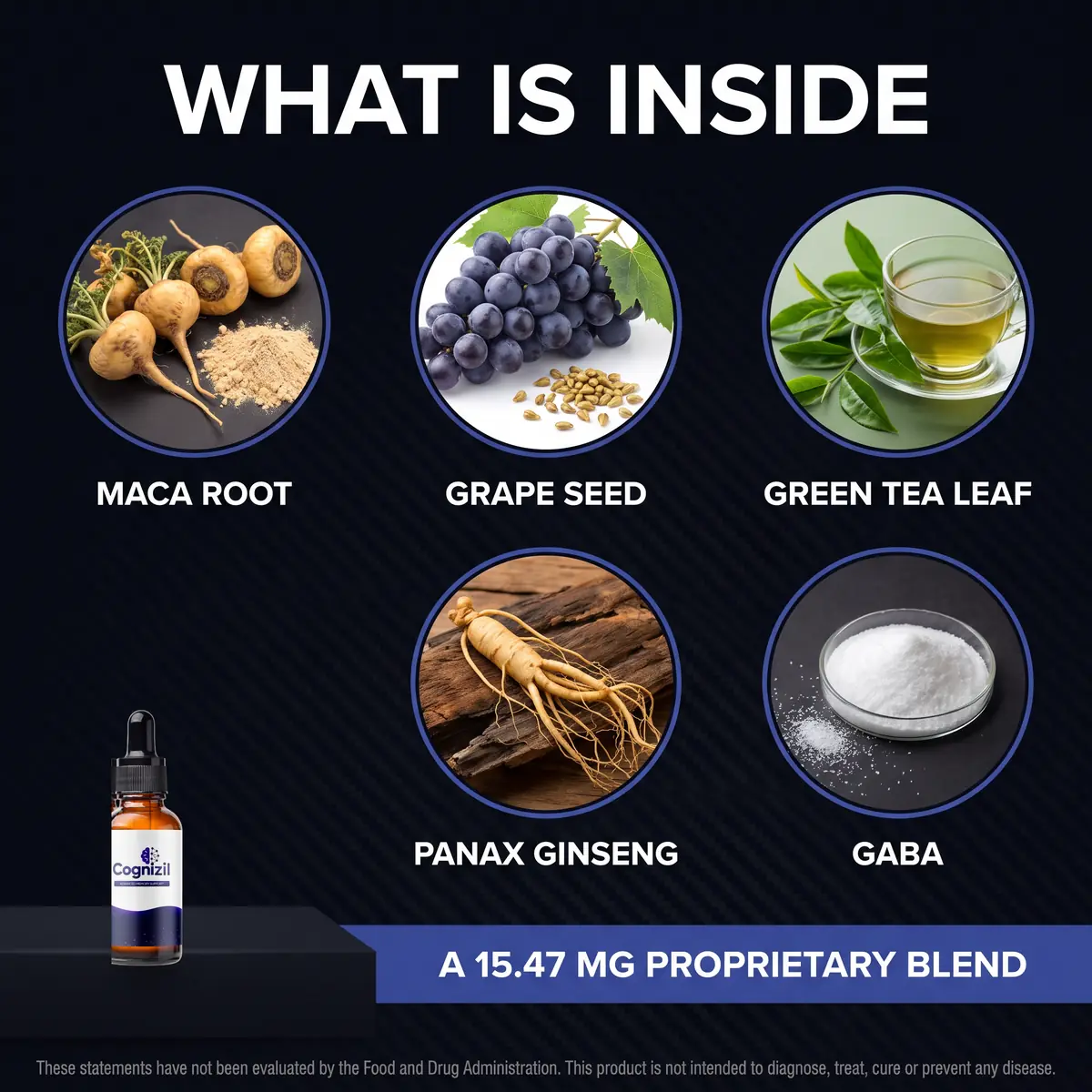
Notice how the botanicals in a nootropic blend echo the plate: green tea, maca, grape seed and panax ginseng all appear in whole-food and traditional diets, and several show up in Cognizil’s ingredient list. For the mechanism behind them, read our guide to nootropic ingredients for focus and memory.
Round out the plate
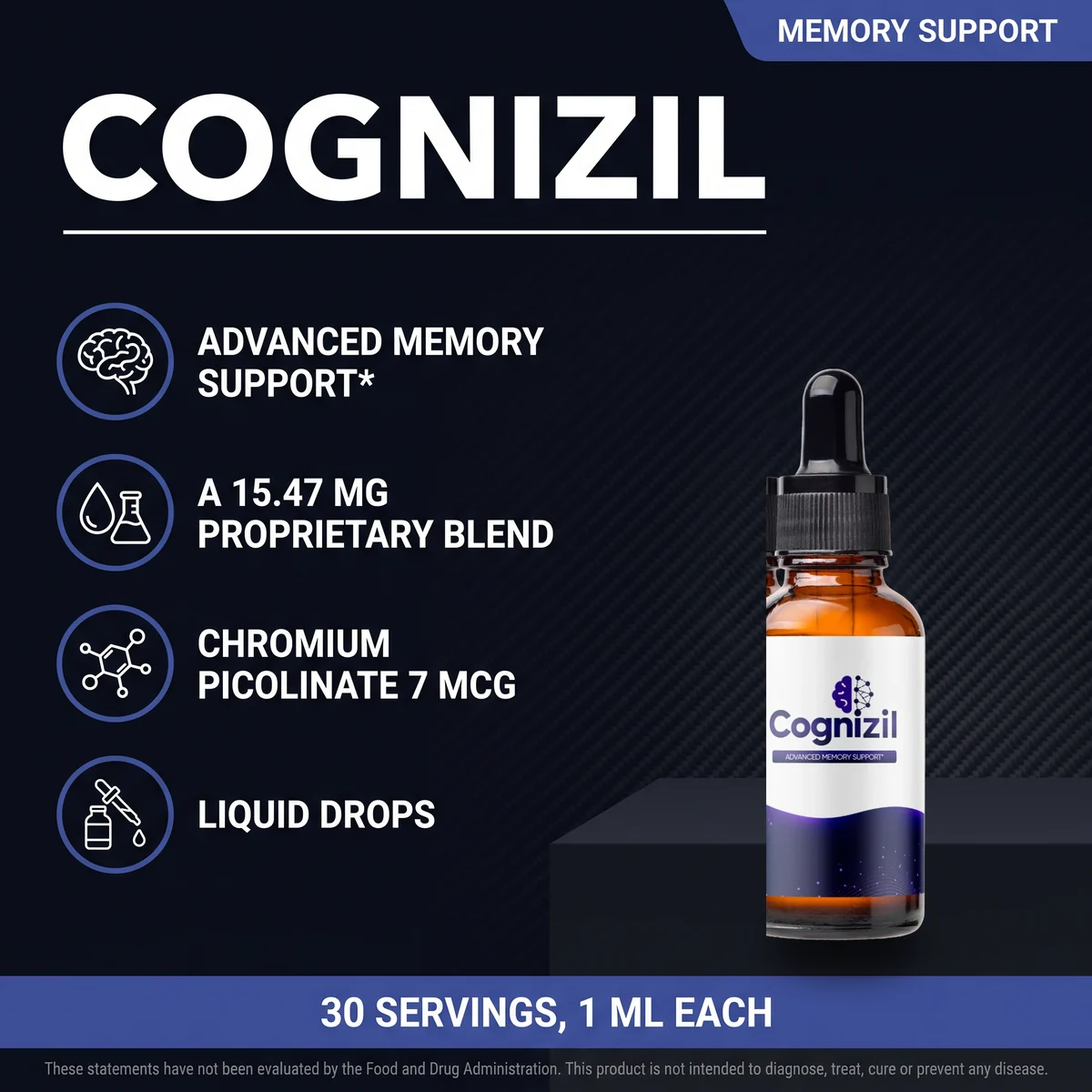
Cognizil pairs chromium with a 15.47 mg blend of green tea, maca, panax ginseng, GABA and L-tyrosine — a daily dropper designed to complement a brain-healthy diet. The six-bottle bundle is the best value at $49 per bottle.
Order Cognizil — from $49/bottleWhat should you eat less of?
The flip side of a brain-healthy diet is limiting the foods that work against it. Sugary drinks are the fastest route to a glucose spike and crash; ultra-processed snacks, fried food and refined pastries tend to crowd out the nutrient-dense options above. You do not need to be perfect — aim to make the whole-food choices your default and treat the rest as occasional. The same plate does more work with each passing decade, which is why it opens our guide to supporting memory after 50.
When should you talk to a doctor?
A brain-healthy diet supports everyday memory and focus; it is not a treatment for any condition. Speak with your doctor before making big dietary changes if you have a medical condition or take medication, and seek care promptly if you or a loved one notice persistent memory loss that disrupts daily life, confusion, or sudden changes in thinking. Food and supplements are supports, not substitutes for professional care.
Frequently asked questions
What foods are best for brain health and memory?
Oily fish, leafy greens, berries, nuts and seeds, whole grains, beans, eggs and green tea are among the most consistently recommended. They supply omega-3 fats, antioxidants, B vitamins and steady energy the brain uses every day.
Do berries really help memory?
Berries are rich in flavonoid antioxidants that are widely studied for general brain and memory wellness. They make an easy, low-sugar addition to breakfast or snacks and pair well with nuts or yoghurt.
Is coffee or green tea better for focus?
Both can help alertness. Green tea delivers caffeine alongside L-theanine for a calmer, steadier lift, while coffee gives a stronger jolt. Keep either moderate and earlier in the day to protect sleep.
What is the MIND diet?
The MIND diet blends the Mediterranean and DASH patterns and emphasises leafy greens, berries, nuts, whole grains, beans, fish and olive oil while limiting fried food, sweets and red meat. It is often discussed in the context of brain health.
Can supplements replace a brain-healthy diet?
No. A supplement is a complement to whole foods, not a substitute. A nootropic blend such as Cognizil is designed to support a diet already rich in the foods above, not to stand in for them.
How quickly does diet affect the brain?
A steady-energy meal can sharpen an afternoon the same day by avoiding a sugar crash, while the deeper benefits of a consistent brain-healthy pattern build over weeks and months. Individual results vary.
Try Cognizil with the 180-day guarantee →
Cognizil is a dietary supplement, not a treatment for any medical condition. These statements have not been evaluated by the Food and Drug Administration. This product is not intended to diagnose, treat, cure or prevent any disease. Always consult a qualified healthcare professional about your individual needs.
References & further reading
- National Institutes of Health, Office of Dietary Supplements. Omega-3 Fatty Acids — Fact Sheet for Health Professionals. ods.od.nih.gov/factsheets/Omega3FattyAcids-HealthProfessional
- National Center for Complementary and Integrative Health (NCCIH). Green Tea. nccih.nih.gov/health/green-tea
- Barnes LL, et al. Trial of the MIND Diet for Prevention of Cognitive Decline in Older Persons. New England Journal of Medicine, 2023. pubmed.ncbi.nlm.nih.gov/37466280
- Devore EE, et al. Dietary intakes of berries and flavonoids in relation to cognitive decline. Annals of Neurology, 2012. pubmed.ncbi.nlm.nih.gov/22535616
- Examine.com. Green Tea Catechins — evidence-based summary. examine.com/supplements/green-tea-catechins
These references describe the foods and ingredients in general terms and do not constitute evidence that any product treats, cures or prevents any condition.
Keep reading: how to improve memory and focus naturally · how nootropic ingredients work · back to the Cognizil blog · homepage.