Maca root for energy and mental clarity: the Cognizil guide
Maca root for energy is the traditional use of Lepidium meyenii, a hardy Andean plant whose dried root has fed and fortified Peruvian communities for centuries and now leads the botanical line-up in Cognizil. It is prized as a nourishing stamina food rather than a stimulant, and its role in a clarity-oriented supplement is supportive: it works with the rest of the blend, alongside good sleep, food and movement, not in place of them.
Is maca root worth adding for energy and mental clarity? The honest version.
- What it is
- Maca (Lepidium meyenii) is a cruciferous root vegetable from the high Peruvian Andes, eaten as a food and used as a stamina tonic.
- Energy claim
- Traditionally valued for stamina and everyday vitality; small human studies touch on mood and well-being, but the evidence is early, not conclusive.
- Mental clarity
- Maca supports a general sense of vitality; direct human proof for focus is limited, so it is a supporting player, not a cure for brain fog.
- In Cognizil
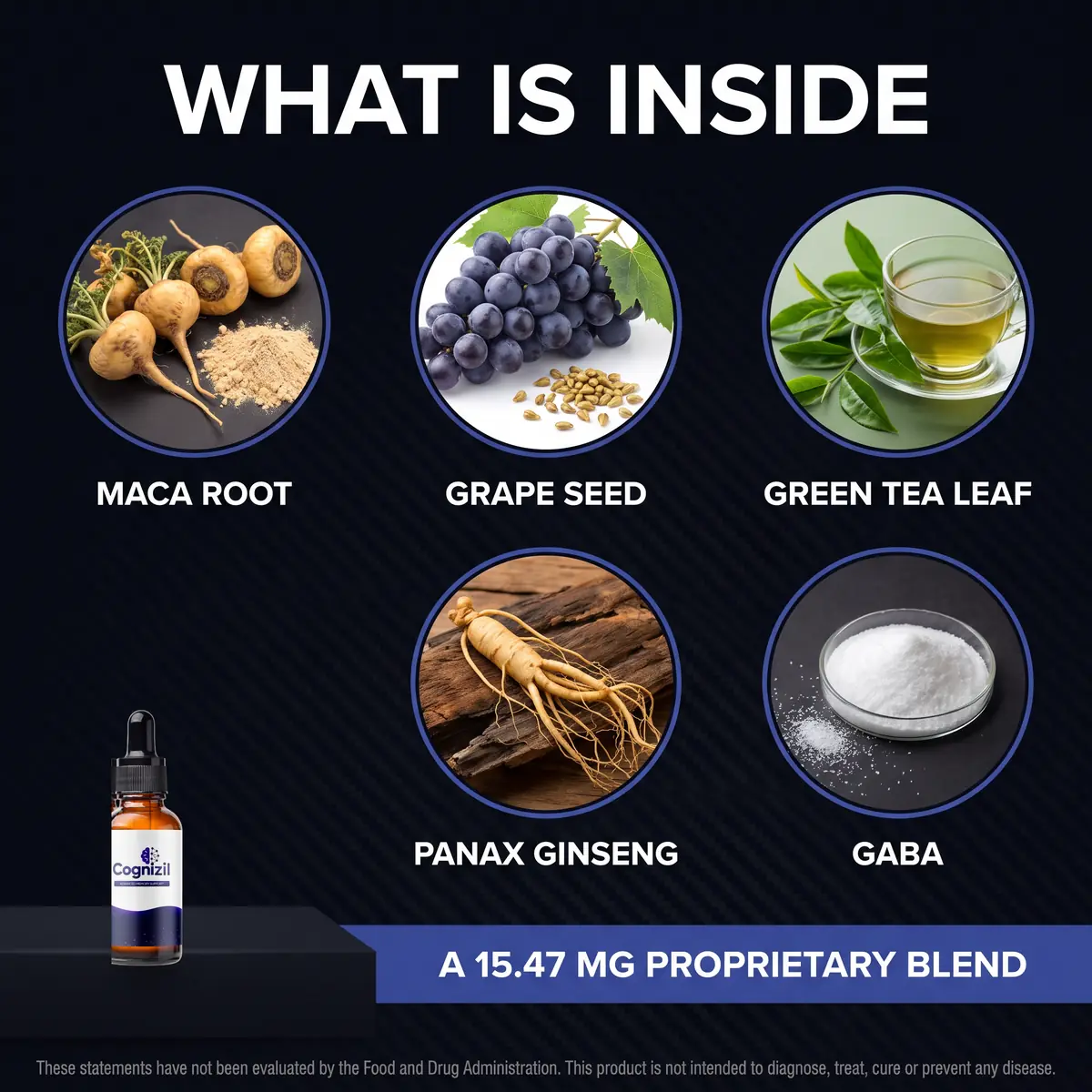
- The lead botanical inside a 15.47 mg blend with green tea, panax ginseng, GABA and L-tyrosine, in once-daily liquid drops.
- Timeframe
- A nourishing food-botanical, so take it consistently for several weeks; individual results vary.
Few ingredients carry as much folklore as maca. It has been called Peruvian ginseng, a superfood and a natural energizer, and each label holds a grain of truth wrapped in marketing. This guide separates the tradition from the tested and shows where maca sits in a modern formula like Cognizil.
What is maca root, and where does it come from?
Maca root is the edible tuber of Lepidium meyenii, a cruciferous plant — a cousin of broccoli, cabbage and radish — that grows in one of the harshest farming zones on Earth: the Andean plateau of central Peru, above roughly 4,000 metres, where fierce sun, thin air and freezing nights defeat most crops. For at least two thousand years, Andean communities have dried the root and cooked it into porridges and drinks, valuing it as both a staple food and a tonic for people and livestock at high altitude; a review tracing that history from tradition into modern research is a useful primer (Gonzales, Forschende Komplementärmedizin, 2009). That dual identity — food first, tonic second — is the honest starting point for any conversation about maca.
The root comes in several colours, from cream and yellow to red and black, and modern maca is usually sold as a dried powder, an extract or, as in Cognizil, part of a liquid botanical blend. The point is simple: maca is a whole-food plant with a deep culinary history, not a laboratory compound.
Why is maca root linked with energy and stamina?
Maca's link with energy comes from its role as a dense, nourishing food that Andean populations relied on for the stamina to live and work at altitude. Rather than acting like caffeine, it contributes carbohydrates, fibre, protein, minerals and plant compounds such as macamides and glucosinolates. The energy story is nutritional and traditional before it is pharmacological.
What does traditional use tell us?
Traditional use frames maca as a food for endurance and everyday vitality, not a quick pick-me-up. Peruvian communities have eaten it for generations to support the demands of high-altitude life, and that heritage is the best-documented part of maca's story. Traditional use is genuine evidence of long, safe consumption — but it describes how a culture has used a plant, not a proven medical effect, and the two should never be confused.
What does the research actually show?
The human research on maca is real but early, with small, short studies that point in interesting directions without settling the question. Some trials have explored maca and mood, perceived energy or well-being, and reviews note possible effects on sexual function — the area with the most published data (Bloomer et al., Journal of Dietary Supplements, 2026) — including a randomised, placebo-controlled trial in men with late-onset hypogonadism (Shin et al., World Journal of Men’s Health, 2023). Reviewers reach the same cautious conclusion: the studies are too few and too small to be definitive, and none of them measured memory or focus. The responsible reading is that maca is promising and well tolerated, not clinically proven for energy or cognition.

Can maca support focus and mental clarity?
Maca's contribution to mental clarity is best understood as indirect: a body that feels more energized and resilient tends to think more clearly, even if maca does not act on the brain like a classic nootropic. Direct human evidence for maca and focus is limited, and it would be dishonest to promise otherwise. What maca offers is general nutritional, adaptogen-style support that underpins vitality rather than sharpening attention on demand — which is why Cognizil pairs it with ingredients that have their own focus traditions.
| Maca at a glance | Detail |
|---|---|
| Botanical name | Lepidium meyenii (Peruvian maca) |
| Plant family | Brassicaceae — the cruciferous family |
| Origin | High Andes of central Peru, above ~4,000 m |
| Traditional use | Staple food and stamina tonic for altitude living |
| Studied for | Mood, perceived energy, sexual function, menopausal comfort |
| Evidence level | Early and mixed; larger human trials still needed |
| In Cognizil | Lead botanical in a 15.47 mg blend, liquid drops |
See the exact maca dose in Cognizil →
How does maca fit into Cognizil's blend?
In Cognizil, maca is the lead botanical — first by position — inside a 15.47 mg proprietary blend that also carries green tea, panax ginseng, GABA and L-tyrosine, delivered as easy-to-take liquid drops rather than a pill. The logic is complementary: maca brings its whole-food vitality tradition, green tea a calm-yet-alert profile, panax ginseng an adaptogen tonic history, and L-tyrosine a building block for certain neurotransmitters. Alongside them, the trace mineral chromium supports normal macronutrient metabolism. No one ingredient is asked to do everything.
Maca, in one daily dropper
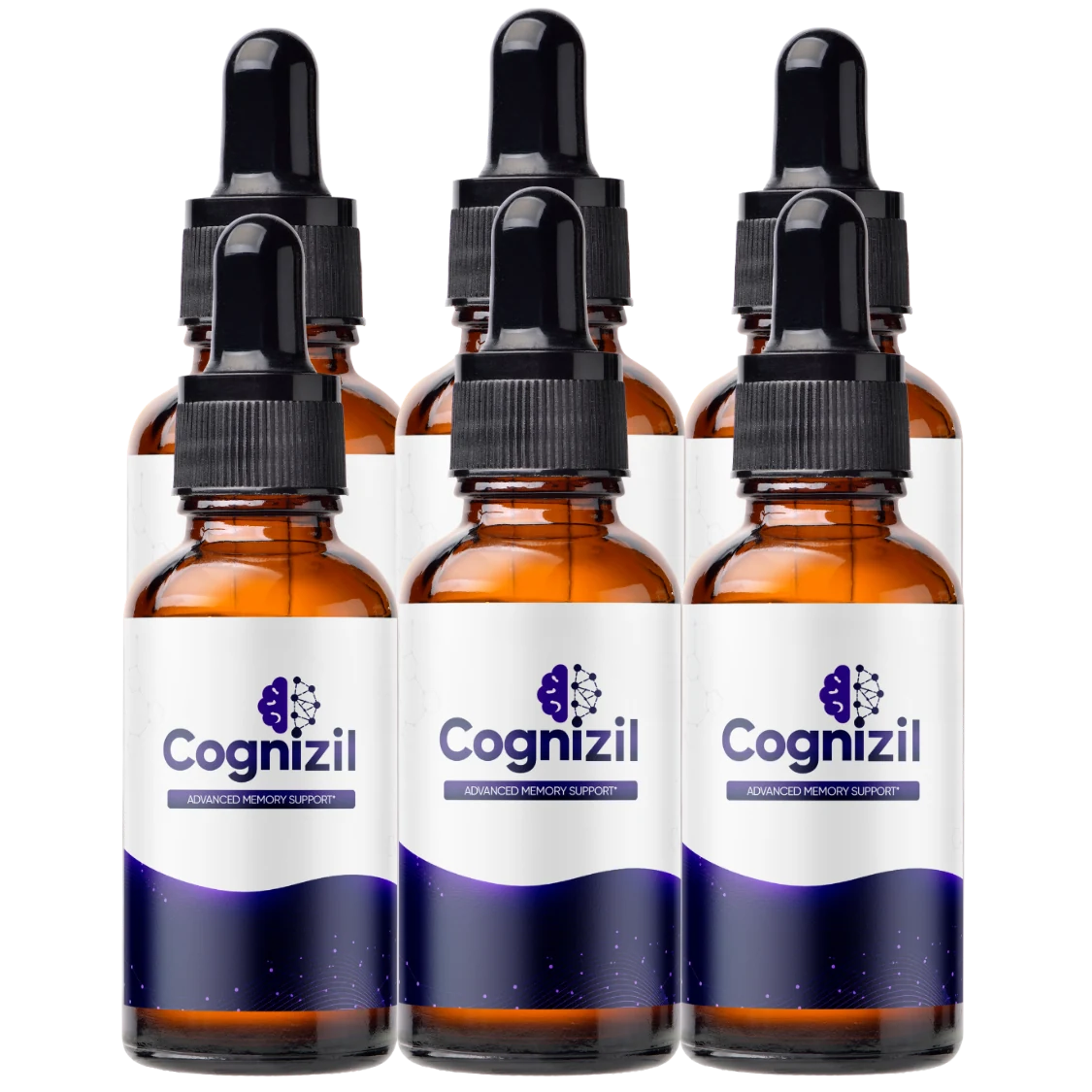
Cognizil pairs chromium with a 15.47 mg maca-led botanical and amino-acid blend, taken once a day. The six-bottle bundle is the best value at $49 per bottle, with free U.S. shipping and a 180-day money-back guarantee.
Check today's Cognizil pricing — from $49/bottle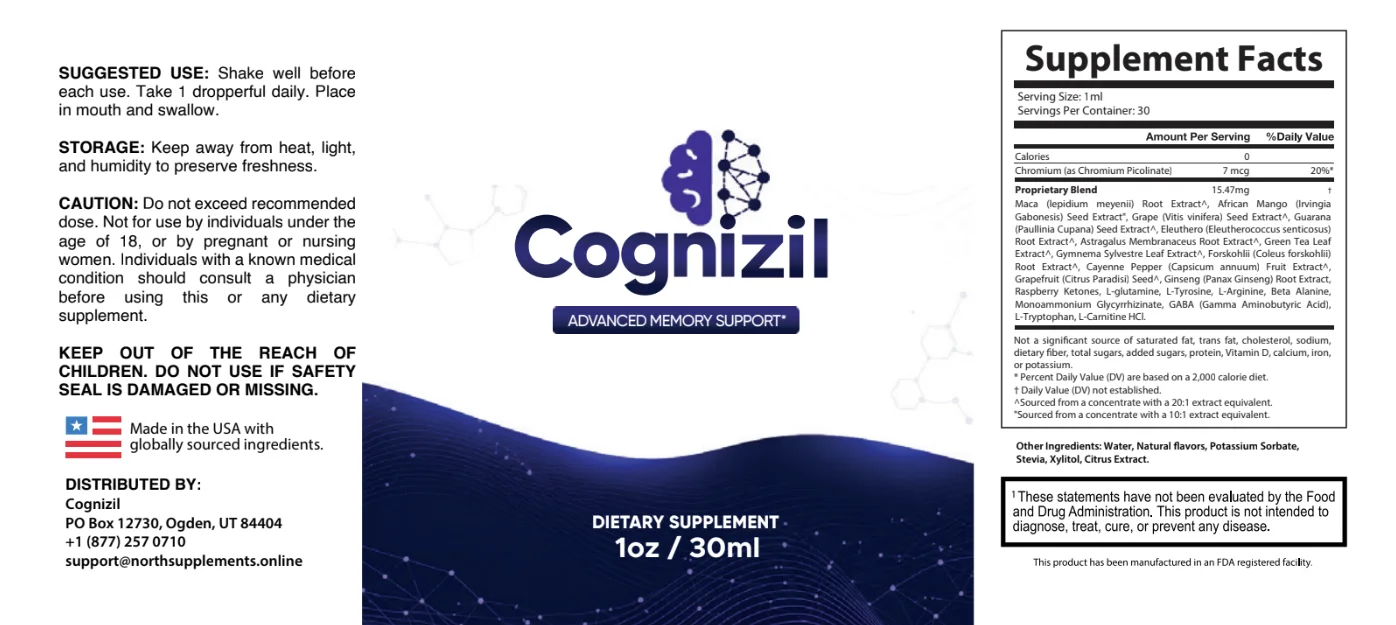
How much maca root should you take?
There is no single official dose of maca, because it is a food-grade botanical rather than a standardized drug, and human studies have used a wide range of amounts. In supplements it is often part of a blend, as in Cognizil, where it sits within the 15.47 mg formula printed on the label. The practical rule is to follow the product's own directions rather than stacking multiple maca sources, and to treat consistency as more important than a large single dose.
| Form of maca | How it is used | Good to know |
|---|---|---|
| Dried powder | Stirred into drinks, oats or smoothies as a food | Traditional culinary use; earthy, malty flavour |
| Gelatinized powder | Cooked-then-dried for easier digestion | Popular with people who find raw powder heavy |
| Capsules / tablets | Fixed amount per serving, no taste | Convenient but slower to absorb than liquids |
| Liquid blend (Cognizil) | Once-daily dropper with complementary botanicals | Maca combined with green tea, ginseng, GABA, L-tyrosine |
For a wider view of how these ingredients are chosen and combined, read our companion guide to nootropic ingredients for focus and memory, the neighbouring adaptogen profile in eleuthero for steady focus, or the full ingredients section on the homepage.
Is maca root safe, and who should be cautious?
Maca root has a strong safety record as a food and is generally well tolerated by healthy adults at typical supplement amounts; NCCIH’s Herbs at a Glance library is the place to check what is and is not known about botanicals of this kind (NCCIH). Serious problems are rare, and reported side effects tend to be mild and digestive. Still, a food history is reassurance, not a free pass: maca is a cruciferous plant that contains goitrogenic compounds, so anyone with a thyroid condition should be thoughtful, and people with hormone-sensitive conditions have extra reason to check first.
Speak with your doctor before adding maca — on its own or inside a blend — if you are pregnant or nursing, under 18, take any medication, or have a diagnosed health condition. This is not about maca being dangerous; it is about making sure a new addition fits safely alongside your existing care.
How do you get the most from maca?
Maca rewards patience and routine, because it behaves like a nourishing food rather than a fast stimulant. To give it a fair trial, build a few simple habits around it and judge the result over weeks:
- Take it at the same time daily — for Cognizil, one dropperful, shaken and swallowed, ideally in the morning.
- Pair it with real food and water, so your energy has steady fuel rather than a spike-and-crash.
- Protect your sleep, the foundation no botanical can replace, and keep moving most days.
- Give it several weeks before deciding, and keep expectations grounded.
- Do not stack multiple maca products; let one well-formulated source do the job.
Frequently asked questions
What is maca root, and where does it come from?
Maca root (Lepidium meyenii) is a cruciferous plant grown high in the Peruvian Andes, where its dried root has been eaten as a food and used as a stamina tonic for centuries. It is the botanical that leads the position order in Cognizil's blend.
Does maca root give you energy?
Maca is traditionally valued as an energy and stamina food, and small studies have looked at mood, well-being and perceived energy. The evidence is early and mixed rather than conclusive, so maca is best seen as everyday nutritional support, not a stimulant or a treatment for fatigue.
Is maca good for focus and mental clarity?
Maca's traditional reputation is for vitality and stamina, and some early research has explored mood and cognition, but high-quality human evidence for focus specifically is limited. In Cognizil it works alongside green tea, panax ginseng, L-tyrosine and GABA rather than on its own.
How much maca root is in Cognizil?
Maca is part of Cognizil's 15.47 mg proprietary botanical and amino-acid blend, which also contains green tea, panax ginseng, GABA and L-tyrosine, delivered once daily as liquid drops. The full amount per serving is printed on the supplement facts panel.
Is maca root safe to take daily?
Maca has a long history as a food and is generally well tolerated by healthy adults at typical supplement amounts. Even so, if you are pregnant or nursing, take medication, or have a thyroid or hormone-sensitive condition, talk to your doctor before starting, because maca is a cruciferous plant.
How long does maca take to work?
Maca is a nourishing botanical rather than a fast stimulant, so most people take it consistently for several weeks before judging how they feel. Results vary from person to person, and it works best alongside good sleep, food and movement.
Try maca-led Cognizil with the 180-day guarantee →
Cognizil is a dietary supplement, not a treatment for any medical condition. These statements have not been evaluated by the Food and Drug Administration. This product is not intended to diagnose, treat, cure or prevent any disease. Always consult a qualified healthcare professional about your individual needs.
References & further reading
- National Center for Complementary and Integrative Health (NCCIH). Herbs at a Glance — herb overviews and safety. nccih.nih.gov/health/herbsataglance
- Gonzales GF. Lepidium meyenii (Maca): a plant from the highlands of Peru — from tradition to science. Forschende Komplementärmedizin, 2009. pubmed.ncbi.nlm.nih.gov/20090350
- National Institutes of Health, Office of Dietary Supplements. Chromium — Fact Sheet for Health Professionals. ods.od.nih.gov/factsheets/Chromium-HealthProfessional
- National Center for Complementary and Integrative Health (NCCIH). Asian Ginseng. nccih.nih.gov/health/asian-ginseng
- Examine.com. Maca (Lepidium meyenii) — evidence-based summary. examine.com/supplements/maca
- Bloomer RJ, et al. Effects of Maca (Lepidium Meyenii) on Sexual Health and libido — A Review. Journal of Dietary Supplements, 2026. pubmed.ncbi.nlm.nih.gov/42680584
- Shin D, et al. Efficacy and Safety of Maca (Lepidium meyenii) in Patients with Symptoms of Late-Onset Hypogonadism: A Randomized, Double-Blind, Placebo-Controlled Clinical Trial. World Journal of Men’s Health, 2023. pubmed.ncbi.nlm.nih.gov/36593713
These references describe the ingredients and traditions in general terms and are not evidence that any product treats, cures or prevents any condition.
Keep reading: how to improve memory and focus naturally · best foods for brain health · the Cognizil blog · the full Cognizil review.