How to improve concentration while studying: the Cognizil study guide
To improve concentration while studying, work in single-task blocks with your phone out of reach, replace passive re-reading with active recall, take a short break every 25 to 50 minutes, and protect the sleep, hydration and steady meals your brain runs on. Concentration is a skill you build with structure and rest — and a daily nootropic blend like Cognizil can play a supporting role alongside those habits, not instead of them.
How to concentrate deeper while studying, in one place.
- The core move
- Study in single-task blocks with the phone in another room, then take a real break — attention deepens when you stop switching.
- Best technique
- Active recall: close the book and quiz yourself, then check. It beats re-reading and highlighting every time.
- Session length
- 25 to 50 minutes of work, then a 5 to 10 minute break to move and reset.
- Where a supplement fits
- A daily blend like Cognizil (chromium plus botanicals and amino acids) can support calm, steady focus, but it is not a treatment.
Concentration while studying is not about willpower alone — it is about designing your session, your surroundings and your body so that focus becomes the path of least resistance. This guide covers the techniques that move the needle, and shows honestly where a botanical formula like Cognizil can and cannot help.
What does it really mean to concentrate while studying?
Concentration while studying is the ability to hold your attention on one learning task — and keep returning it there when it wanders — long enough for the material to sink in. It is not a fixed trait; it is a state your brain enters more easily when the task is clear, distractions are removed, and you are rested and fed. Two ideas run through everything below: attention is a limited resource you spend, and switching tasks is far more costly than it feels.
Why does concentration break down when you study?
Concentration breaks down when the brain is asked to switch contexts faster than it can recover, or when it is short on sleep, water and steady fuel. Several ordinary factors quietly sabotage it.
Is your phone the real problem?
Often, yes. A phone within reach fragments attention even when it is face-down and silent, because part of your mind stays on standby to check it. Researchers call this "attention residue" — a slice of focus stays stuck on the last thing you looked at. The fix is physical, not moral: put the phone in another room, not just your pocket.
Are you re-reading instead of retrieving?
Re-reading and highlighting feel productive because the words start to look familiar, but familiarity is not the same as knowing. Passive review keeps attention shallow and gives a false sense of mastery. Retrieval — making your brain pull the answer out — is harder, which is exactly why it works better and holds focus; the classic demonstration found that students who practised retrieving material remembered far more a week later than students who simply studied it again (Karpicke & Roediger, Science, 2008).
Is your body working against you?
A short night, a skipped meal, a sugary energy drink or a stuffy, cluttered room all drag concentration down before you open a book. Mild dehydration alone can measurably dent attention and mood in controlled trials (Ganio et al., British Journal of Nutrition, 2011), and a night of short sleep costs more than most students expect (Pilcher & Huffcutt, Sleep, 1996). The brain studies best when the basics are handled first — the same order of operations we use in clearing brain fog naturally.
Which study focus techniques actually work?
The best study focus techniques force active engagement and give your attention a clear structure. A few stand out because the evidence is unusually consistent.
1. Active recall — quiz, do not re-read
Active recall means closing your notes and retrieving the answer from memory, then checking it. Use flashcards, blank-page brain dumps, or past exam questions. It is among the most reliable study techniques in the research literature (Roediger & Butler, Trends in Cognitive Sciences, 2011), and because it demands effort, it keeps your attention locked on the task.
2. Spaced practice — spread it out
Spaced practice means revisiting material across several days rather than cramming it into one marathon. Short, repeated sessions are easier to concentrate through and build far stronger long-term memory. Pair it with active recall for the backbone of effective studying.
3. Timed blocks and real breaks
Work in a focused block of 25 to 50 minutes, then take a genuine 5 to 10 minute break to stand, move and drink water. The Pomodoro method formalises this rhythm, but the exact numbers matter less than the principle: concentration is renewable, and short rest restores it.
4. Shape your environment
Give studying one dedicated, tidy spot with good light, water within reach and everything you need in front of you. Noise-cancelling headphones or low instrumental sound can mask a busy house. The goal is a space your brain learns to associate with focus, so sitting there becomes a cue to concentrate.
5. Protect the fundamentals: sleep, food, movement
Sleep is when the brain consolidates what you studied, so an all-nighter often erases the very learning it was meant to secure. If you are studying later in life or supporting a parent who is, our guide to supporting memory after 50 covers the same fundamentals with an ageing brain in mind. Steady, whole-food meals keep blood sugar level, and a brief walk between blocks sends fresh blood to the brain. No technique survives a sleep-deprived, under-fuelled body.
See how Cognizil fits your study day →
How do the main techniques compare at a glance?
A quick technique changes today's session; a foundational one reshapes how well you learn over weeks. This table sorts the core methods by effort and how fast you feel the difference.
| Technique | What it does | Time to feel it | Effort |
|---|---|---|---|
| Phone in another room | Removes background attention drain | Same session | Low |
| Active recall | Forces engaged retrieval, deepens focus | Same session | Medium |
| Timed blocks + breaks | Renews attention, prevents fade | Same session | Low |
| Spaced practice | Builds durable memory | Days to weeks | Medium |
| Consistent sleep | Consolidates learning, resets attention | Next day | Medium |
| Steady meals & water | Level energy, no crash | Same day | Low |
Where does a daily nootropic like Cognizil fit?
A daily nootropic is a supplement to good study habits, never a substitute, and never a treatment for any condition. That said, a handful of nutrients have long been part of the focus conversation, and several appear together in Cognizil. The point of a once-daily blend is convenience: one small routine that supports calm, steady alertness.
| Ingredient | Type | Why it is discussed for focus |
|---|---|---|
| Chromium | Essential trace mineral | Contributes to normal macronutrient metabolism — the steady energy processing that fuels concentration. |
| Green tea | Polyphenols + L-theanine | Associated with a calm-yet-alert state; the classic pairing behind relaxed, jitter-free focus. |
| L-Tyrosine | Amino acid | A building block for certain neurotransmitters; studied for supporting performance under everyday stress. |
| Panax ginseng | Adaptogen | A storied tonic traditionally used to support energy, resilience and mental sharpness. |
| GABA | Calming amino acid | One of the body’s key settling signals, popular in blends aimed at relaxed focus before study. |
Cognizil combines chromium (as chromium picolinate) with a 15.47 mg botanical and amino-acid blend of maca, green tea, panax ginseng, GABA and L-tyrosine, as fast liquid drops rather than a pill. For what each ingredient is and is not claimed to do, read our guide to nootropic ingredients for focus and memory. The honest framing: it may help you feel a little steadier at your desk, but it will never replace recall, breaks and sleep.
Make focus a daily habit
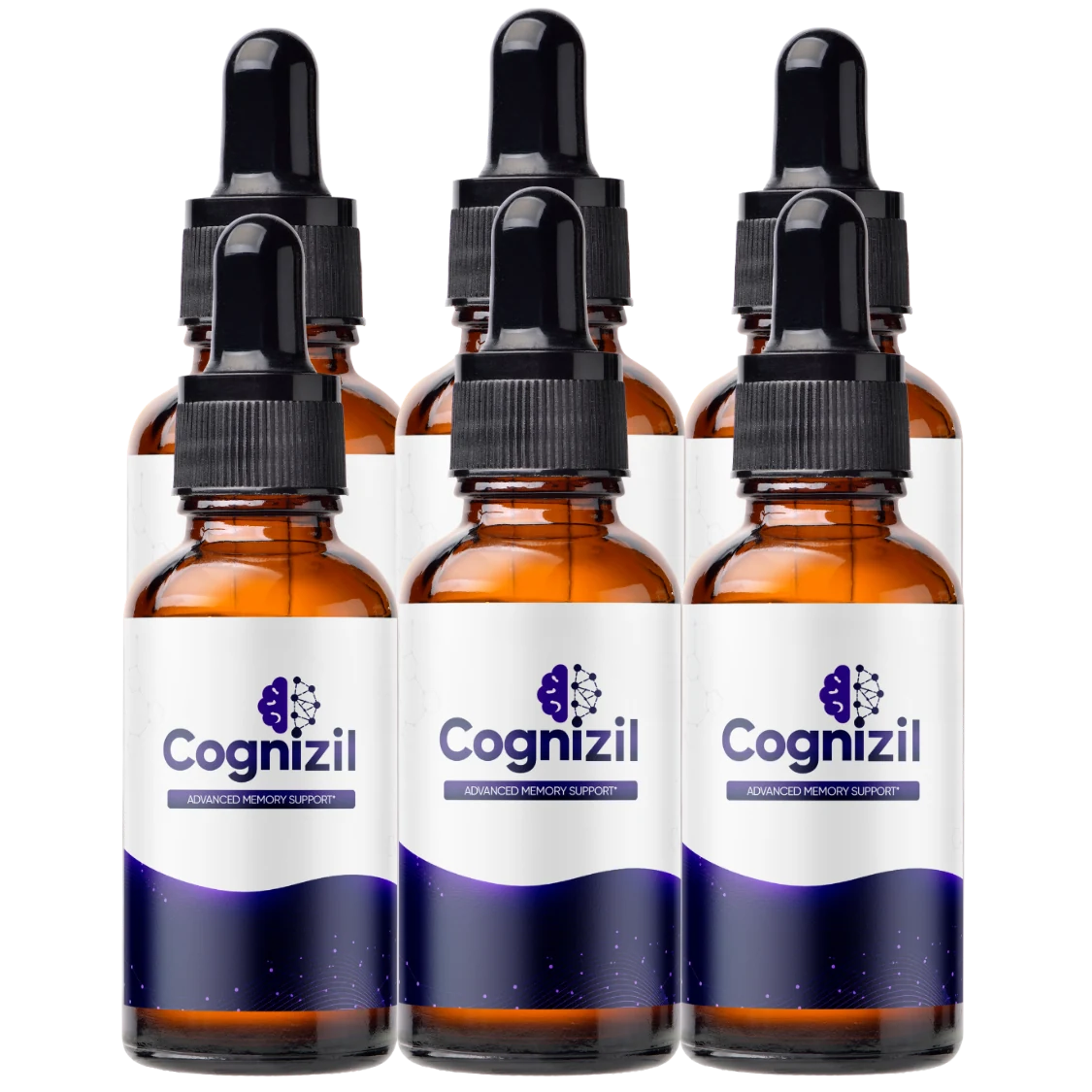
Cognizil is a once-daily dropper pairing chromium with a 15.47 mg botanical and amino-acid blend — an easy step before your first study block. The six-bottle bundle is the best value at $49 per bottle, with free U.S. shipping and a 180-day guarantee. See the exact dose in Cognizil.
Order Cognizil — from $49/bottleHow do you build a concentration-friendly study routine?
The best routine is the one you will actually repeat. Rather than overhauling everything at once, stack one habit at a time:
- Pick one tidy study spot with good light and water within reach.
- Put your phone in another room before you start, not just face-down.
- Set a 25 to 50 minute block and work one task until the timer ends.
- Study by active recall — quiz yourself, then check, instead of re-reading.
- Take a real break to stand, move and drink water before the next block.
- Spread sessions across days rather than cramming the night before.
- Take any supplement at the same time daily — for Cognizil, one dropperful, shaken and swallowed.
Botanical blends build their support gradually, so most people choose a multi-month supply — compare the packages and pricing on the homepage.

What can you do when concentration still will not come?
When focus refuses to arrive, lower the barrier rather than push harder. Shrink the task to one tiny step — "read one paragraph" — and let momentum build. A change of setting, two minutes of daylight, or a glass of water often restarts a stalled session faster than sheer effort.

When should you talk to a doctor?
Study techniques and supplements are for supporting everyday concentration; they are not a replacement for medical care. Speak with your doctor if you are pregnant or nursing, under 18, take any medication, have a diagnosed condition, or notice persistent attention difficulties that disrupt daily life. A short conversation makes sure anything you add fits safely with your care.
Frequently asked questions
How can I improve concentration while studying?
Study in single-task blocks with your phone out of the room, use active recall instead of re-reading, take a short break every 25 to 50 minutes, and protect sleep, water and steady meals. These habits do most of the work, and a daily nootropic blend can play a supporting role for some people.
What is the best study technique for focus?
Active recall — closing the book and quizzing yourself, then checking — is the most consistently effective study technique in the research, especially when spread out over several days. It keeps attention engaged and shows you exactly what you have not learned yet.
How long should a focused study session be?
Most students concentrate best in blocks of 25 to 50 minutes followed by a 5 to 10 minute break. The exact number matters less than working in one focused stretch, then genuinely resting before the next block.
Does a nootropic like Cognizil help you study?
Cognizil pairs chromium with a botanical and amino-acid blend that includes green tea, L-tyrosine and panax ginseng, nutrients long discussed for focus and calm alertness. It is a daily support to sleep, technique and nutrition, not a treatment, and medication users should ask a doctor first.
How does phone use affect study concentration?
A phone within reach fragments attention even when it is silent, because part of your mind stays ready to check it. Putting the phone in another room removes that background pull and is one of the simplest ways to deepen study concentration.
What should I eat before studying?
Aim for a meal or snack that mixes protein, fibre and slow carbohydrates — such as eggs and oats, yogurt and fruit, or hummus and wholegrain toast — to give steady energy without a sugar crash. Drink water too, since even mild dehydration dents concentration.
Check today’s Cognizil pricing →
Cognizil is a dietary supplement, not a treatment for any medical condition. These statements have not been evaluated by the Food and Drug Administration. This product is not intended to diagnose, treat, cure or prevent any disease.
References & further reading
- NIH, Office of Dietary Supplements. Chromium — Health Professional Fact Sheet. ods.od.nih.gov/factsheets/Chromium-HealthProfessional
- NCCIH. Green Tea. nccih.nih.gov/health/green-tea
- NCCIH. Asian Ginseng. nccih.nih.gov/health/asian-ginseng
- Karpicke JD, Roediger HL. The critical importance of retrieval for learning. Science, 2008. pubmed.ncbi.nlm.nih.gov/18276894
- Mayo Clinic. Sleep tips for memory and attention. mayoclinic.org/healthy-lifestyle/adult-health/in-depth/sleep
- Examine.com. L-Tyrosine — evidence summary. examine.com/supplements/l-tyrosine
- Roediger HL, Butler AC. The critical role of retrieval practice in long-term retention. Trends in Cognitive Sciences, 2011. pubmed.ncbi.nlm.nih.gov/20951630
- Ganio MS, et al. Mild dehydration impairs cognitive performance and mood of men. British Journal of Nutrition, 2011. pubmed.ncbi.nlm.nih.gov/21736786
- Pilcher JJ, Huffcutt AI. Effects of sleep deprivation on performance: a meta-analysis. Sleep, 1996. pubmed.ncbi.nlm.nih.gov/8776790
These references describe the habits and ingredients in general terms and are not evidence that any product treats or prevents any condition.
Keep reading: improve memory and focus naturally · best foods for brain health · the Cognizil blog.