How to support memory after 50: the Cognizil senior guide
To support memory after 50 means using gentle, everyday habits — steady sleep, regular movement, a whole-food diet, an active social and mental life — and, if you choose, well-studied nutrients, to help an older brain keep encoding and recalling what matters. It is about small, repeatable choices that add up, and it works alongside, never instead of, your doctor.
Supporting memory after 50, in one place.
- The honest picture
- Some slower recall after 50 is normal aging; steady habits protect your baseline and keep everyday memory reliable.
- Biggest levers
- Sleep, daily movement, a Mediterranean-style diet, staying socially and mentally engaged, and managing blood pressure and stress.
- Where supplements fit
- Nutrients such as chromium, panax ginseng and green tea can add gentle support, but they are not a treatment.
- The easy daily step
- For those who dislike pills, Cognizil is a once-daily liquid dropper — no capsule to swallow.
Reaching for a name that will not come feels unnerving after 50 — but for most people it is ordinary, not alarming. The brain stays remarkably adaptable, and this guide lays out the gentle habits that protect it, plus where a no-pill formula like Cognizil fits.

What does it mean to support memory after 50?
Supporting memory after 50 is the practice of protecting the brain's everyday abilities — learning, attention and recall — with the same lifestyle levers that protect the heart, rather than chasing any single miracle fix. It is not a cure for memory loss, but it can help keep your thinking clear through the decades that follow. Two ideas anchor this guide: what is good for the heart is good for the brain, and consistency matters more than intensity.
Why does memory change after 50?
Memory changes after 50 largely because the brain processes information a little more slowly and multitasks less easily than it did at 25, which the National Institute on Aging describes as a normal part of aging rather than a sign of disease (National Institute on Aging). Blood flow, sleep quality and hormone levels shift with the years, and names or where-did-I-put-it details are usually the first to feel slippery — ordinary forgetfulness that is common and manageable.
It is worth separating that from more serious changes. Occasionally losing your keys is normal; forgetting how to use them is not. Memory loss that disrupts daily life, repeated questions or getting lost in familiar places deserve a doctor's attention, because some causes — medication effects, thyroid problems, sleep apnea or a B12 deficiency — are treatable once found.
What daily habits protect memory after 50?
The habits that protect memory after 50 are the unglamorous ones your doctor already champions for your heart: sleep, movement, a plant-rich diet, mental and social engagement, and good blood-pressure control. Each helps a little; together they help a lot, in rough order of leverage below.
Does sleep matter more after 50?
Sleep is when the brain files the day's memories and clears metabolic waste, so protecting it becomes even more valuable as you age. Sleep often grows lighter after 50, yet the target stays the same: a regular seven-to-nine-hour night. Anchor a consistent bedtime, dim screens in the last hour, keep the room cool and dark, and mention loud snoring to your doctor, since untreated sleep apnea quietly erodes memory.
How does movement help an older brain?
Regular physical activity increases blood flow to the brain and supports the machinery behind learning and memory, which is why exercise is one of the best-evidenced habits for healthy aging: a meta-analysis of trials in adults older than 50 found improvements in several cognitive domains from both aerobic and resistance training (Northey et al., British Journal of Sports Medicine, 2018). You do not need a gym or anything strenuous: brisk walking, gardening, swimming or dancing, most days, is enough. A little balance and light strength work also guard against falls.
What should you eat to support memory?
A Mediterranean-style diet — heavy on vegetables, berries, whole grains, beans, nuts, olive oil and oily fish — is the eating pattern most consistently linked with healthier aging brains in observational research (Morris et al., Alzheimer’s & Dementia, 2015), though a three-year randomised trial of the MIND diet found no significant cognitive advantage over a mild calorie-restricted control (Barnes et al., NEJM, 2023). Our guide to the best foods for brain health and memory turns that pattern into a weekly shop. These whole foods deliver steady energy and antioxidants while avoiding the spike-and-crash of refined carbohydrates that fuels brain fog. Keep sugary drinks occasional and stay hydrated, since even mild dehydration dents concentration.
How do you keep the brain challenged?
A brain that keeps learning builds what researchers call cognitive reserve, the mental cushion that helps you stay sharp for longer. Reading, puzzles, a new language, an instrument or cards with friends all count, and novelty matters more than difficulty — the goal is something your brain has not done before. Just as important is staying socially connected, because loneliness is a genuine risk to memory in later life.
Can managing stress and blood pressure help?
Chronic stress and uncontrolled high blood pressure both work against the aging brain, so calming one and controlling the other is quietly protective. Slow breathing, time outdoors and unhurried single-tasking help reset a stressed system, while keeping blood pressure, blood sugar and cholesterol in a healthy range protects the small vessels that feed your neurons.
See the exact daily dose in Cognizil →
What are the best memory boosters for seniors?
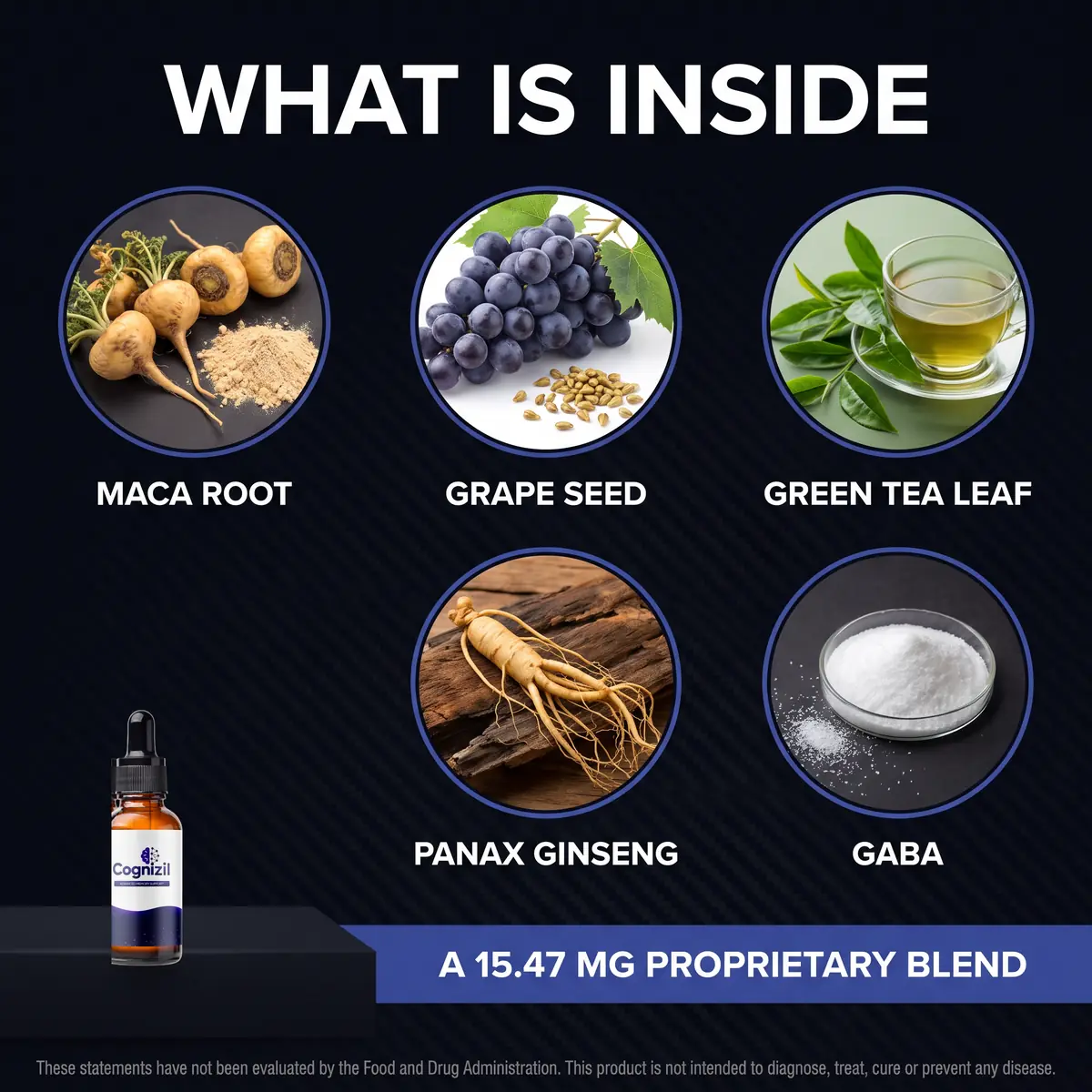
The best memory boosters for seniors are the habits above; nutrients are a supporting step, not a substitute and never a treatment. That said, a handful of well-studied ingredients have long been part of the memory conversation, and several appear in Cognizil. Here is an honest snapshot.
| Nutrient | Why it is discussed | Traditional / general role |
|---|---|---|
| Chromium | Essential trace mineral | Contributes to normal macronutrient metabolism — the steady energy processing that fuels the brain. |
| Panax ginseng | Adaptogen | A storied tonic used across generations to support resilience, energy and mental sharpness. |
| Green tea | Polyphenols + L-theanine | Associated with a calm-yet-alert state and general wellness; a rich source of antioxidants. |
| Maca root | Andean botanical | Traditionally used to support everyday energy and mental clarity. |
| L-Tyrosine | Amino acid | A building block for certain neurotransmitters; studied for supporting performance under everyday stress. |
Evidence for supplements is genuinely mixed — a Cochrane review found no convincing evidence that vitamin or mineral supplementation slows cognitive decline in people with mild cognitive impairment (McCleery et al., Cochrane Database of Systematic Reviews, 2018) — which is why they belong beside good habits rather than in front of them. For a deeper look, read our guide to nootropic ingredients for focus and memory or the chromium picolinate explainer.
An easy no-pill daily step
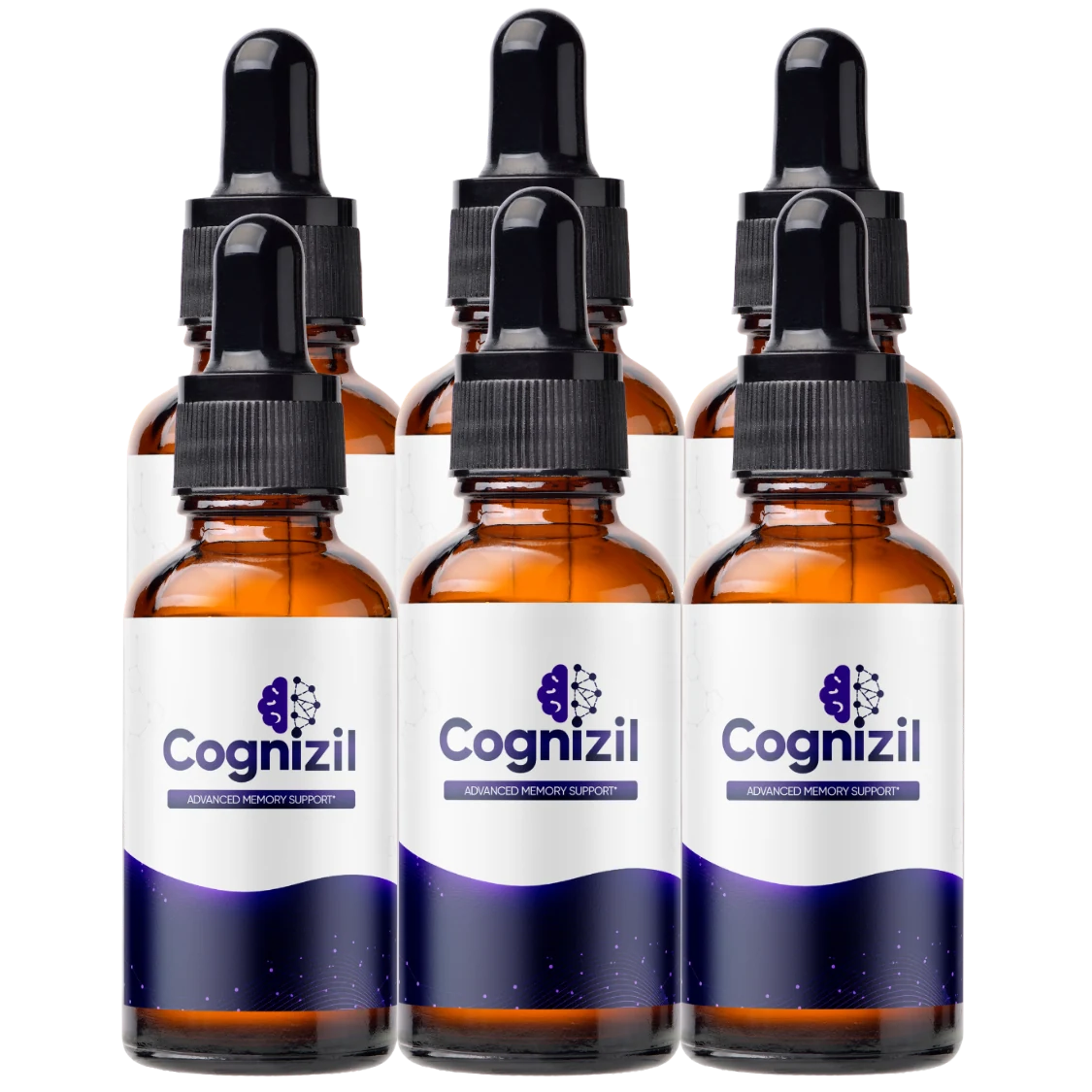
Cognizil is a once-daily dropper pairing chromium with a 15.47 mg botanical and amino-acid blend — no capsule to swallow. The six-bottle bundle is the best value at $49 per bottle, with free U.S. shipping and a 180-day guarantee.
Check today's Cognizil pricing — from $49/bottleHow does Cognizil fit a memory routine after 50?
Cognizil fits an after-50 routine as the simple supplement step: one daily dropperful for people who would rather not add another pill to the pile. It pairs chromium (as chromium picolinate) with a 15.47 mg blend of maca, green tea, panax ginseng, GABA and L-tyrosine, as fast liquid drops. For anyone who dislikes swallowing capsules, the dropper is a gentler way to keep a routine consistent — and consistency is the whole point.
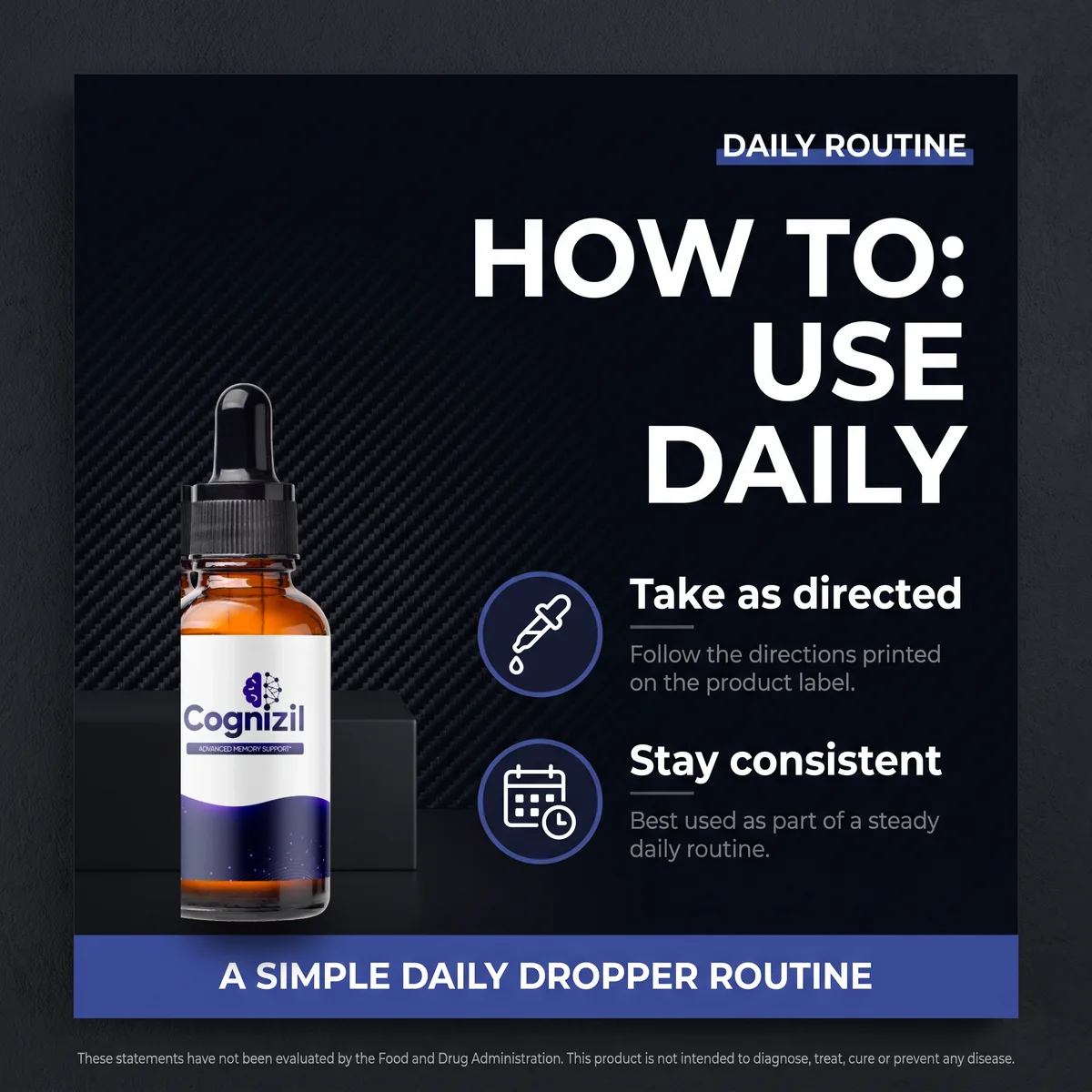
To be clear about what it is not: Cognizil is a dietary supplement, not a medicine, and it does not diagnose, treat, cure or prevent memory loss or any disease. It sits behind sleep, food and movement. If you take medication or have a diagnosed condition, ask your doctor first.
What does a simple weekly routine look like?
A workable routine after 50 is one you can keep without thinking, built from small habits that each help on their own timeline. Some lift you the same day; others reshape your baseline over weeks. This table sorts them by how quickly you feel them and how much effort they ask.
| Habit | Typical time to notice | Everyday effort |
|---|---|---|
| A full, regular night of sleep | Next day | Medium |
| A daily walk or movement break | Same day | Low |
| Water instead of a sugary drink | Same day | Low |
| Puzzles, reading or a phone call to a friend | Same day (mood), weeks (reserve) | Low |
| Mediterranean-style, steady-energy meals | Days to weeks | Medium |
| Blood-pressure and stress management | Weeks to months | Higher |
Stack one habit at a time until it feels automatic. Because botanicals build their support gradually, most people choose a multi-month supply — compare the packages and pricing on the homepage, or read our full Cognizil review first.
When should you see a doctor about memory?
Everyday habits support normal memory; they are not a substitute for medical care, and some changes need a professional eye. Speak with your doctor if memory problems disrupt daily life, worsen quickly, or come with confusion, personality changes, or trouble with words or decisions. Also check in if you take multiple medications, since interactions can cloud thinking. Early evaluation is reassuring precisely because it can uncover treatable causes.
Frequently asked questions
How can you support memory after 50?
You support memory after 50 by protecting sleep, moving most days, eating whole foods, staying socially and mentally active, and managing blood pressure and stress. Well-studied nutrients can add gentle support, but the daily habits do most of the work.
What are the best memory boosters for seniors?
The most reliable memory boosters for seniors are consistent sleep, regular walking, a Mediterranean-style diet, hydration and mental stimulation. Some seniors also use nutrients such as chromium, panax ginseng, green tea and maca as a supporting step, not a treatment.
Is it normal to be more forgetful after 50?
Occasional lapses, such as misplacing keys or blanking on a name, are a common part of normal aging and usually nothing to worry about. Memory loss that disrupts daily life, repeated questions or confusion is different and deserves a doctor's review.
Can Cognizil help with memory after 50?
Cognizil is a once-daily liquid supplement that pairs chromium with a botanical and amino-acid blend, taken to support everyday memory and focus. It is a companion to sleep, diet and activity, not a treatment for any condition, and medication users should ask a doctor first.
What foods support memory in older adults?
Vegetables, berries, whole grains, beans, nuts, olive oil and oily fish are the foods most linked with healthy aging brains. This Mediterranean-style pattern supplies steady energy and antioxidants, while limiting sugary drinks and ultra-processed snacks helps avoid brain fog.
When should an older adult see a doctor about memory?
See a doctor if memory problems disrupt daily life, worsen quickly, or come with confusion, getting lost in familiar places, or trouble with words and decisions. Early evaluation rules out treatable causes such as medication effects, thyroid issues or vitamin deficiency.
Try Cognizil with the 180-day guarantee →
Cognizil is a dietary supplement, not a treatment for any medical condition. These statements have not been evaluated by the Food and Drug Administration. This product is not intended to diagnose, treat, cure or prevent any disease. Always consult a qualified healthcare professional about your individual needs.
References & further reading
- National Institute on Aging (NIH). Memory, Forgetfulness, and Aging: What's Normal and What's Not. nia.nih.gov/health/memory-forgetfulness-and-aging
- National Institute on Aging (NIH). Cognitive Health and Older Adults. nia.nih.gov/health/cognitive-health-and-older-adults
- Mayo Clinic. Memory loss: 7 tips to improve your memory. mayoclinic.org/healthy-lifestyle/healthy-aging
- National Center for Complementary and Integrative Health (NCCIH). Asian Ginseng. nccih.nih.gov/health/asian-ginseng
- National Institutes of Health, Office of Dietary Supplements. Chromium — Fact Sheet for Health Professionals. ods.od.nih.gov/factsheets/Chromium-HealthProfessional
- Examine.com. L-Tyrosine — evidence-based summary. examine.com/supplements/l-tyrosine
- Northey JM, et al. Exercise interventions for cognitive function in adults older than 50: a systematic review with meta-analysis. British Journal of Sports Medicine, 2018. pubmed.ncbi.nlm.nih.gov/28438770
- Barnes LL, et al. Trial of the MIND Diet for Prevention of Cognitive Decline in Older Persons. New England Journal of Medicine, 2023. pubmed.ncbi.nlm.nih.gov/37466280
- McCleery J, et al. Vitamin and mineral supplementation for preventing dementia or delaying cognitive decline in people with mild cognitive impairment. Cochrane Database of Systematic Reviews, 2018. pubmed.ncbi.nlm.nih.gov/30383288
These references describe the ingredients and habits in general terms and do not constitute evidence that any product treats, cures or prevents any condition.
Keep reading: how to improve memory and focus naturally · the best foods for brain health and memory · back to the Cognizil blog · homepage.