Magnesium threonate vs botanical nootropics: where Cognizil fits
Magnesium threonate is a single, quantified mineral compound — magnesium bound to threonic acid — taken to raise or maintain the body’s magnesium, while botanical nootropics like Cognizil are multi-ingredient blends that pair traditionally used plants and amino acids around a measured nutrient. These are two genuinely different strategies: one targeted mineral versus a broader everyday blend anchored, in Cognizil’s case, by 7 mcg of chromium. This guide compares them honestly so you can match the approach to your own goal rather than the marketing.
Magnesium threonate vs botanical nootropics, in one place.
- What magnesium threonate is
- A single mineral compound — elemental magnesium bound to threonic acid — used to top up magnesium, which supports normal nervous-system and psychological function.
- What botanical nootropics are
- Multi-ingredient formulas that combine several traditionally used plants and amino acids for broader everyday clarity, calm and mental energy.
- Where Cognizil sits
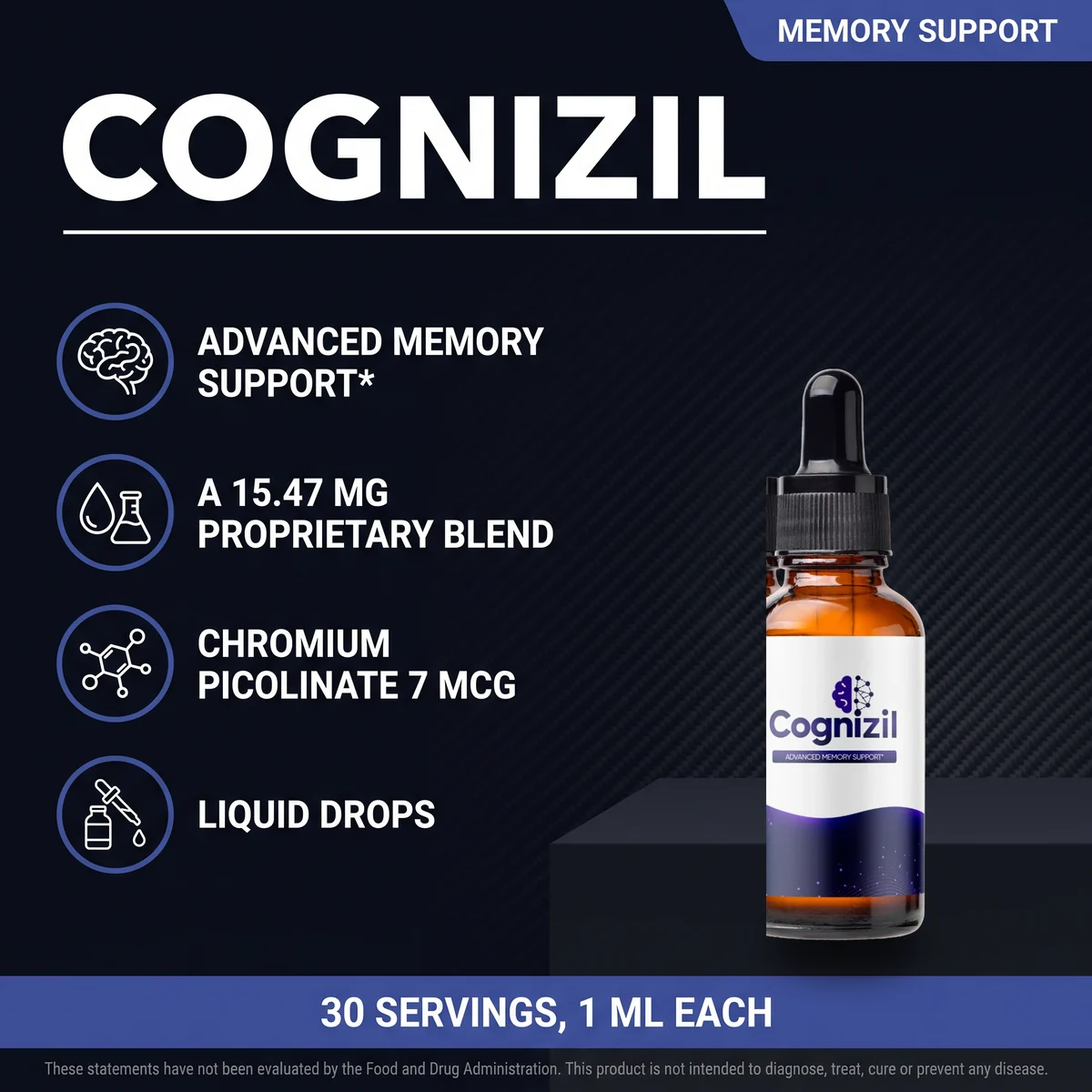
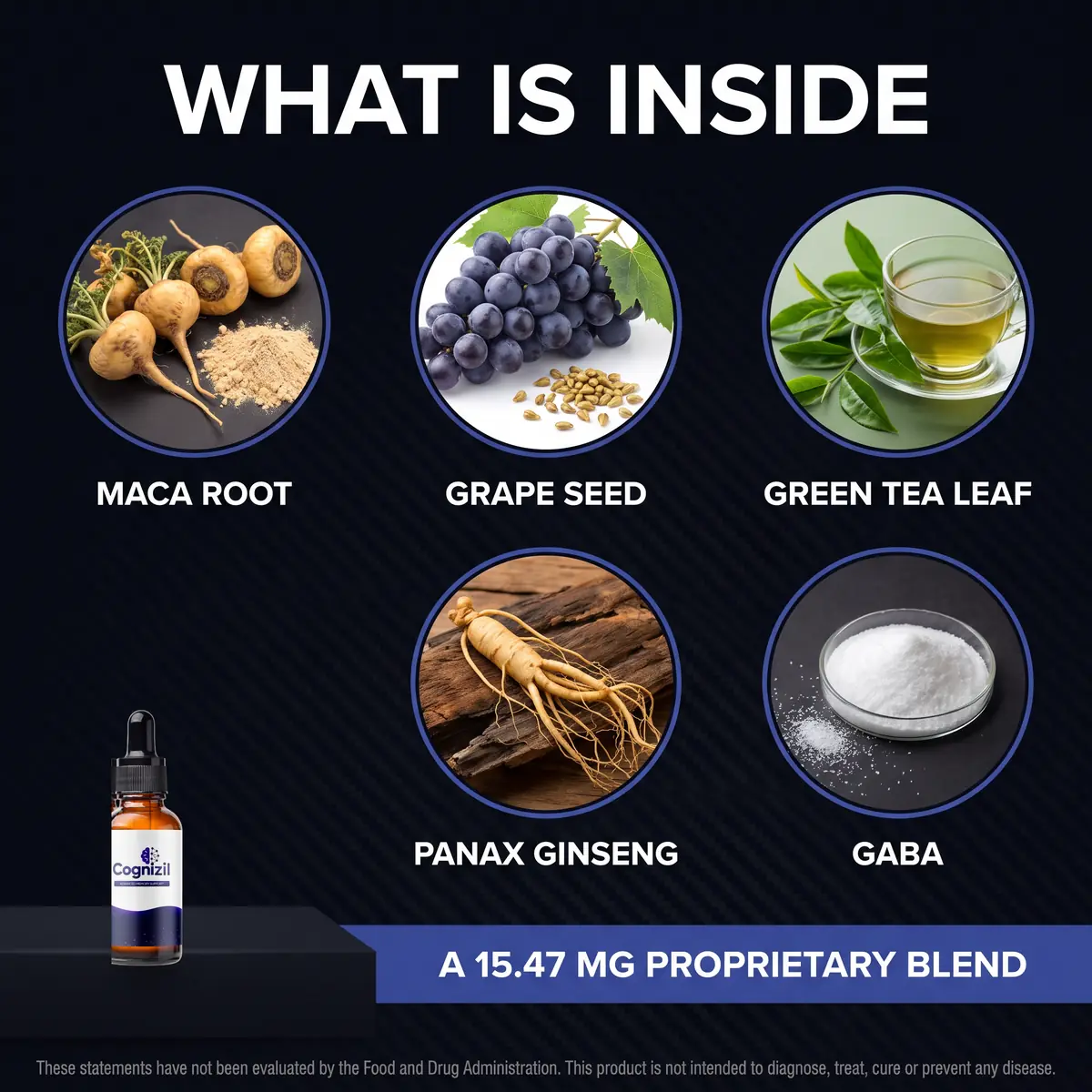
- It is a botanical blend, not a magnesium product: 7 mcg of chromium (about 20% DV) anchors a 15.47 mg blend of maca, grape seed, green tea, ginseng, GABA and L-tyrosine.
- Honest caveat
- Human evidence that magnesium L-threonate directly sharpens memory in healthy people is early and limited; both approaches are supports, not treatments.
Searching “magnesium threonate vs botanicals” is really a strategy question: correct one specific nutrient, or take a wider blend built for daily use? Both are legitimate, and the rest of this article shows exactly what Cognizil does and does not do.
What is magnesium L-threonate, exactly?
Magnesium L-threonate is a compound that binds elemental magnesium to threonic acid, a small molecule derived from vitamin C, and it is taken to raise or maintain the body’s magnesium level. Magnesium itself is an essential mineral your body needs for hundreds of enzyme reactions, and the NIH Office of Dietary Supplements sets out its established roles in nerve and muscle function and energy metabolism (NIH Office of Dietary Supplements). In other words, magnesium is a real, well-established nutrient; the “threonate” part is simply the carrier chosen to deliver it.
The threonate form drew attention because early research explored whether that carrier could deliver magnesium more effectively than older forms — a small trial in older adults with cognitive impairment reported changes on some measures (Liu et al., Journal of Alzheimer’s Disease, 2016), and a later randomised, placebo-controlled trial in adults found effects mainly on sleep quality rather than a clear cognitive gain (Lopresti et al., Frontiers in Nutrition, 2025). Keep the two claims separate: the value of magnesium as a nutrient is settled, while the extra benefit of the threonate carrier in healthy humans is still an early research question.
How does magnesium threonate differ from other magnesium forms?
All magnesium supplements deliver the same mineral, but they differ in the carrier attached to it, and therefore in how much elemental magnesium each gram provides and how the gut tolerates it. Oxide is cheap and dense but poorly absorbed; citrate and glycinate are popular for everyday use; threonate is newer, pricier and marketed toward cognition. The table below sets out the main options.
| Magnesium form | Typical use | Practical note |
|---|---|---|
| Magnesium L-threonate | Marketed for cognition | Newer, pricier; threonate carrier is the selling point, human cognitive evidence is early |
| Magnesium glycinate | General use, sleep, calm | Well tolerated; bound to the amino acid glycine |
| Magnesium citrate | General use, regularity | Reasonably absorbed; can loosen stools at higher doses |
| Magnesium oxide | Low-cost top-up | High magnesium per gram but relatively poorly absorbed |
Why does magnesium matter for the brain at all?
Magnesium supports the brain indirectly by keeping the nervous system’s normal signalling and everyday psychological function running as they should. It is a cofactor in energy production and neurotransmitter regulation, which is why low magnesium status is linked in the literature with poorer sleep and higher stress reactivity. Correcting a genuine shortfall can help those things feel more normal — different from claiming a supplement makes an already well-nourished brain measurably sharper.
That is the honest boundary for magnesium threonate: its plausible benefit is largest for people who are actually low in magnesium, a nutrient many adults under-consume. For someone already replete, the cognitive payoff is far less certain: a Cochrane review found no convincing evidence that vitamin or mineral supplementation slows cognitive decline in people with mild cognitive impairment (McCleery et al., Cochrane Database of Systematic Reviews, 2018), and reputable bodies do not promise memory gains from magnesium in healthy people. Read any threonate product’s marketing with that distinction in mind, and look at the elemental magnesium it provides rather than the headline compound weight.
What are botanical nootropics, and how are they different?
Botanical nootropics are multi-ingredient formulas that combine several traditionally used plants and amino acids, usually around one or two measured nutrients, to support everyday clarity, calm and mental energy rather than to correct a single deficiency. Where magnesium threonate is a mono-ingredient with one job, a botanical blend is a chord of ingredients chosen to work as a whole. That difference in philosophy — one note versus a chord — is the heart of this comparison.
The trade-off cuts both ways. A single nutrient is easy to dose, study and reason about; a blend covers more ground and suits a simple daily routine, but individual amounts are often inside a proprietary blend rather than listed one by one. Neither is dishonest — they are built for different buyers.
Magnesium threonate vs botanical nootropics: a side-by-side
The clearest way to choose is to put the two approaches next to each other on the things that actually matter: what you are dosing, how it is measured, and what the evidence supports. The table below compares single-nutrient magnesium L-threonate with a botanical blend of the kind Cognizil represents.
| Feature | Magnesium L-threonate | Botanical nootropic (e.g. Cognizil) |
|---|---|---|
| Core idea | Top up one specific mineral | Blend several traditionally used ingredients |
| Ingredients | Single compound | Multi-ingredient (Cognizil: chromium + 15.47 mg blend) |
| Quantified nutrient | Elemental magnesium per serving | 7 mcg chromium (~20% DV) in Cognizil |
| Best for | Correcting or maintaining magnesium status | A broad, simple daily clarity-and-calm routine |
| Evidence footing | Magnesium as a nutrient: strong; threonate for cognition: early | Traditional use of botanicals; direct memory proof is limited |
| Format | Usually capsules/powder | Easy-to-take liquid drops, once daily |
Where does Cognizil actually fit — single nutrient or blend?
Cognizil sits firmly on the botanical-blend side of this comparison, and it is not a magnesium supplement. Its single quantified nutrient is chromium, not magnesium: each 1 ml dropperful supplies 7 mcg of chromium as chromium picolinate, roughly 20% of the Daily Value, and that mineral anchors a 15.47 mg proprietary blend of botanicals and amino acids. So if your one goal is magnesium status, Cognizil is the wrong tool — a dedicated magnesium product is. If you want a broad daily blend, that is exactly what Cognizil is built to be.
What is actually in the Cognizil blend?
The 15.47 mg blend brings together ingredients people traditionally reach for around focus, calm and everyday energy: maca root, grape seed, green tea leaf, panax ginseng, guarana, GABA and L-tyrosine, among others. Chromium is the metabolic floor beneath them, tied to normal macronutrient metabolism and steady glucose handling. Delivered as easy-to-take liquid drops, the formula is built to be taken once a day and, crucially, to be kept consistent — the thing that matters most with any everyday supplement. For the full ingredient-by-ingredient breakdown, see our guide to nootropic ingredients for focus and memory, and for the chromium detail specifically, our piece on chromium picolinate for memory and focus.
See the exact dose in Cognizil
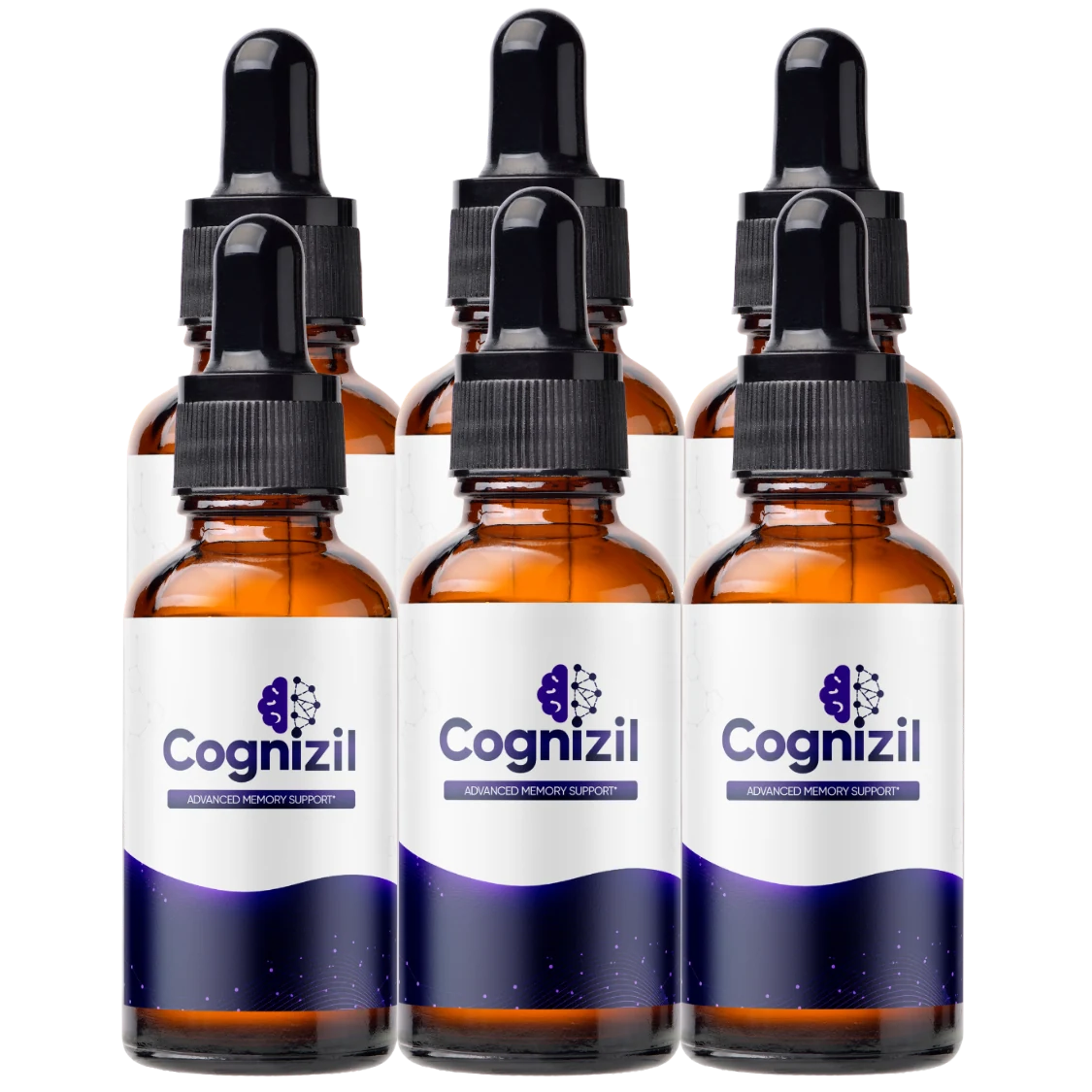
Cognizil is a botanical blend, not a magnesium pill: 7 mcg of chromium anchors the full 15.47 mg botanical and amino-acid blend in easy-to-take drops. The six-bottle bundle is the best value at $49 per bottle and ships free within the U.S.
See the exact dose in Cognizil — from $49/bottleWhich approach fits your goals?
The best choice is the one that matches the specific outcome you are after, not the one with the loudest cognitive marketing. Use the quick matcher below to see which side of the comparison your goal lands on before you spend anything.
| If your goal is… | Lean toward… | Why |
|---|---|---|
| Fixing a likely magnesium shortfall | A magnesium supplement | You want the specific mineral, dosed and measured |
| Support for sleep or stress tied to low magnesium | A magnesium form (e.g. glycinate, threonate) | Targets the one nutrient the issue relates to |
| A simple, broad daily clarity-and-calm routine | A botanical blend like Cognizil | Covers more ground in one once-daily dose |
| Traditionally used botanicals plus a metabolic anchor | Cognizil | Chromium plus a 15.47 mg plant and amino-acid blend |
| Both a mineral top-up and a blend | Both, used together | They do not overlap; see the combining note below |
Can you combine magnesium threonate with Cognizil?
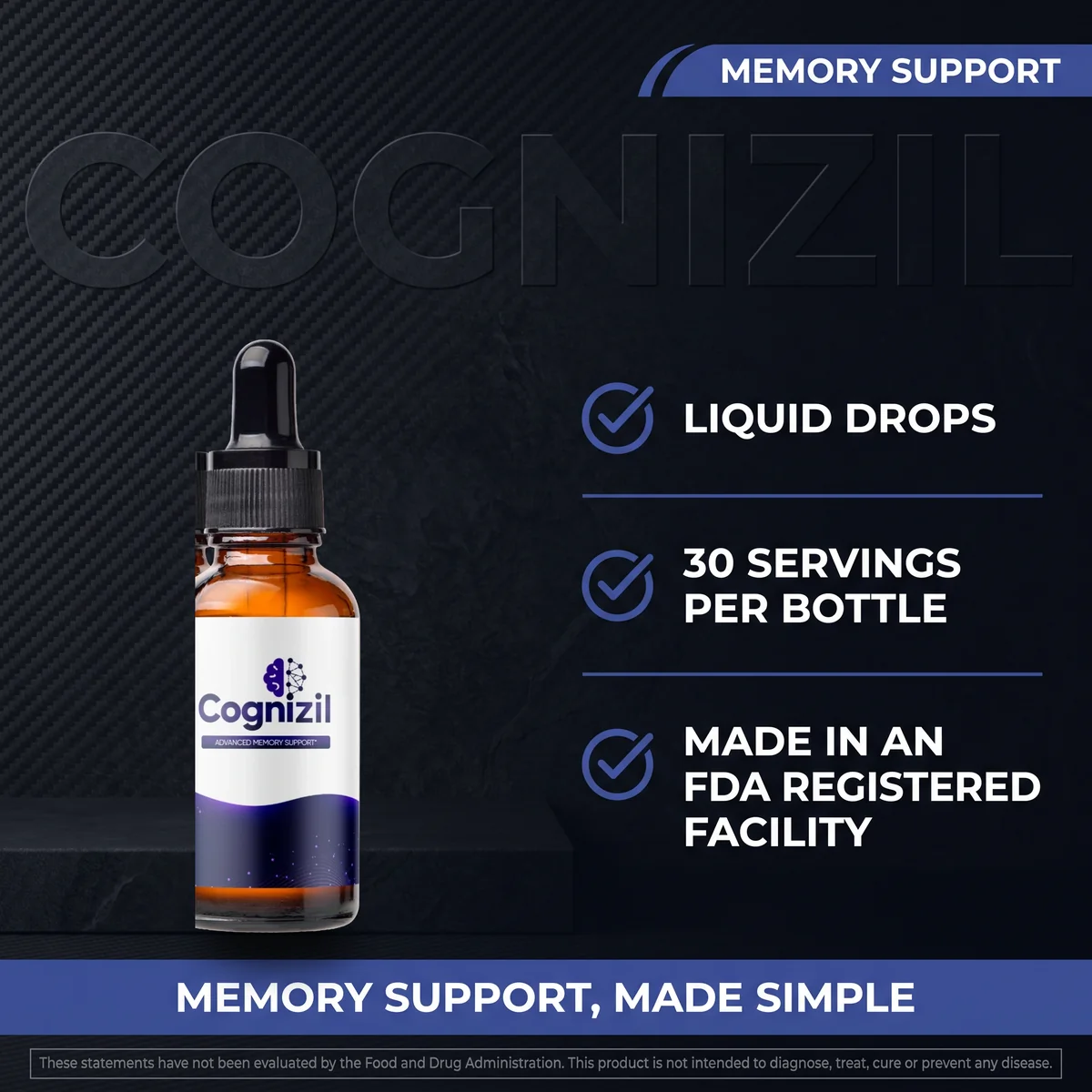
Because Cognizil contains no magnesium, the two do not overlap, so some people use a magnesium product for magnesium status and Cognizil for its botanical blend, with no double-dosing of the same nutrient. If you are weighing a third option, our comparison of omega-3 versus nootropic blends runs the same test on fish oil, and L-carnitine for brain energy and focus covers the amino-acid layer inside the blend itself. The usual rules still apply: keep total intakes reasonable, read every label for its elemental amounts, and check with your doctor before stacking supplements, particularly if you take medication or are pregnant or nursing. For the wider picture, our guide to how to improve memory and focus naturally puts supplements in context alongside sleep, movement and diet.
Is magnesium threonate safe?
Magnesium from food and supplements is considered safe for most healthy adults at typical intakes, with the main caveat that high supplemental doses can cause loose stools, cramping or digestive upset. The tolerable upper limit authorities set applies to supplemental magnesium rather than food, so check the elemental magnesium figure on any label rather than the compound weight. People with kidney problems, and those on certain medications, need more care, because impaired kidneys clear magnesium less efficiently. If you are unsure, ask a pharmacist or doctor first.

When should you talk to a doctor?
Neither magnesium threonate nor a botanical nootropic is a treatment for any medical condition, and no supplement should be used as one. Speak with your doctor before starting magnesium if you have kidney disease or take medication that affects magnesium, and before starting any blend if you are pregnant, nursing, under 18, or managing a health condition. Seek care promptly if you or someone you know notices persistent memory loss that disrupts daily life, confusion, or sudden changes in thinking. Supplements are supports around a good diet and proper medical care, never substitutes for either.
Frequently asked questions
What is magnesium L-threonate?
Magnesium L-threonate is a compound that binds elemental magnesium to threonic acid, a molecule derived from vitamin C. It was developed to raise magnesium levels in the body, and its threonate carrier is the feature that distinguishes it from common forms like magnesium oxide or citrate. Magnesium itself contributes to normal nervous-system function and normal psychological function.
Is magnesium threonate better than botanical nootropics?
Neither is universally better; they solve different problems. Magnesium L-threonate is a single, quantified nutrient focused on correcting or topping up magnesium status. Botanical nootropics such as those in Cognizil combine several traditionally used plants and amino acids for broader everyday clarity and calm. The right pick depends on whether you want one targeted mineral or a wider blend.
Does Cognizil contain magnesium threonate?
No. Cognizil is not a magnesium supplement. Its one quantified nutrient is 7 mcg of chromium as chromium picolinate, about 20 percent of the Daily Value, which anchors a 15.47 mg blend of botanicals and amino acids such as maca, grape seed, green tea, panax ginseng, GABA and L-tyrosine. If magnesium is your specific goal, a dedicated magnesium product is the better fit.
Can I take magnesium threonate with Cognizil?
Because Cognizil contains no magnesium, the two do not overlap, so many people use a magnesium product for magnesium status and Cognizil for its botanical blend. As with any combination of supplements, keep total intakes sensible and speak with your doctor first, especially if you take medication or are pregnant or nursing.
How is magnesium for the brain supposed to work?
Magnesium is an essential mineral involved in hundreds of enzyme reactions, including those that support normal nervous-system and psychological function. The interest in magnesium L-threonate specifically comes from early research exploring whether its threonate carrier helps deliver magnesium more effectively, but human evidence for a direct memory benefit in healthy people is still limited and early.
Is magnesium threonate safe?
Magnesium from food and supplements is considered safe for most healthy adults at typical intakes, though high supplemental doses can cause loose stools or digestive upset, and the tolerable upper limit applies to supplemental magnesium. People with kidney problems, or those taking certain medications, should be more cautious. Check the elemental magnesium figure on any label and talk to your doctor if you are unsure.
Check today’s Cognizil pricing →
Cognizil is a dietary supplement, not a treatment for any medical condition. These statements have not been evaluated by the Food and Drug Administration. This product is not intended to diagnose, treat, cure or prevent any disease. Always consult a qualified healthcare professional about your individual needs.
References & further reading
- National Institutes of Health, Office of Dietary Supplements. Magnesium — Fact Sheet for Health Professionals. ods.od.nih.gov/factsheets/Magnesium-HealthProfessional
- National Institutes of Health, Office of Dietary Supplements. Magnesium — Consumer Fact Sheet. ods.od.nih.gov/factsheets/Magnesium-Consumer
- Examine.com. Magnesium — evidence-based summary. examine.com/supplements/magnesium
- Liu G, et al. Efficacy and Safety of MMFS-01, a Synapse Density Enhancer, for Treating Cognitive Impairment in Older Adults: A Randomized, Double-Blind, Placebo-Controlled Trial. Journal of Alzheimer’s Disease, 2016. pubmed.ncbi.nlm.nih.gov/26519439
- McCleery J, et al. Vitamin and mineral supplementation for preventing dementia or delaying cognitive decline in people with mild cognitive impairment. Cochrane Database of Systematic Reviews, 2018. pubmed.ncbi.nlm.nih.gov/30383288
- Mayo Clinic. Magnesium supplement (oral route) — uses and precautions. mayoclinic.org/drugs-supplements/magnesium-supplement-oral-route
- Lopresti AL, et al. The effects of magnesium L-threonate (Magtein) on cognitive performance and sleep quality in adults: a randomised, double-blind, placebo-controlled trial. Frontiers in Nutrition, 2025. pubmed.ncbi.nlm.nih.gov/41601871
- National Center for Complementary and Integrative Health. Dietary and Herbal Supplements — overview. nccih.nih.gov/health/dietary-and-herbal-supplements
These references describe magnesium and its ingredients in general terms and do not constitute evidence that any product treats, cures or prevents any condition.
Keep reading: how nootropic ingredients work · chromium picolinate for memory and focus · how to improve memory and focus naturally · back to the Cognizil blog · read the Cognizil review.