Omega-3 brain health vs nootropic blends: where Cognizil fits
Omega-3 supports brain health as a structural fat — DHA is a normal building block of your brain’s cell membranes — while multi-ingredient nootropic blends like Cognizil aim at day-to-day focus, energy and mental clarity through botanicals and amino acids. They answer different questions, which is why so many people use both rather than choosing one.
Omega-3 versus a nootropic blend, honestly compared.
- What omega-3 does
- DHA and EPA are structural fats that support the maintenance of normal brain function over the long term.
- What a blend does
- Cognizil targets everyday focus, energy and clarity with chromium plus a 15.47 mg botanical and amino-acid blend — no fish oil.
- Do they compete?
- Not really — one is brain nutrition, the other daily support: different layers of the same goal.
- Why use both
- Close the omega-3 gap for the long game; add a blend for here-and-now focus.
Ask “what is best for my brain?” online and you get pulled two ways: one crowd swears by fish oil, another by nootropic stacks. But these are not really rivals. Omega-3 fatty acids are part of how the brain is built and maintained; nootropic blends are about how it performs on a Tuesday afternoon. This guide compares the two honestly and shows where Cognizil belongs.
What are omega-3 fatty acids, and why do they matter for brain health?
Omega-3 fatty acids are a family of essential fats — mainly DHA, EPA and plant-derived ALA — that the body cannot make in useful amounts and must get from food. DHA is the most abundant omega-3 in the brain and a normal structural component of neuronal membranes (NIH Office of Dietary Supplements), which is why omega-3 brain health is a matter of nutrition and long-term maintenance rather than a quick lift. Omega-3 is a nutrient for general health, not a treatment for any condition.
DHA vs EPA: what is the difference?
DHA and EPA are the two marine omega-3s that get the most attention, and they play different roles. DHA is the structural one, concentrated in brain and eye tissue; EPA is studied more for the body’s normal inflammatory balance and mood-related pathways. Most fish-oil supplements and oily fish such as salmon, sardines and mackerel provide both. ALA, the omega-3 in flaxseed and walnuts, converts to DHA and EPA only inefficiently, so plant-only eaters often choose algae-based DHA.
What are nootropic blends, and how do they differ from fish oil?
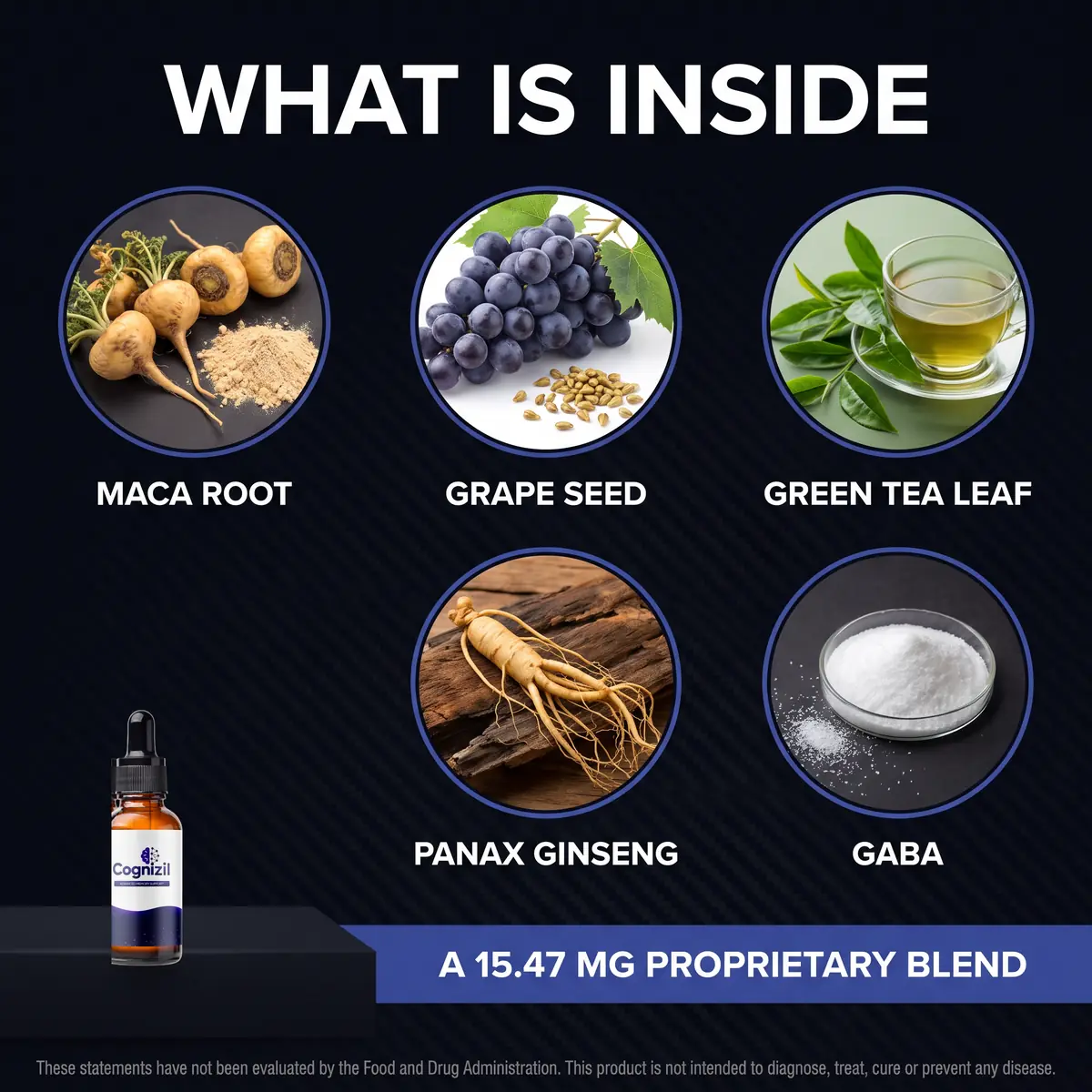
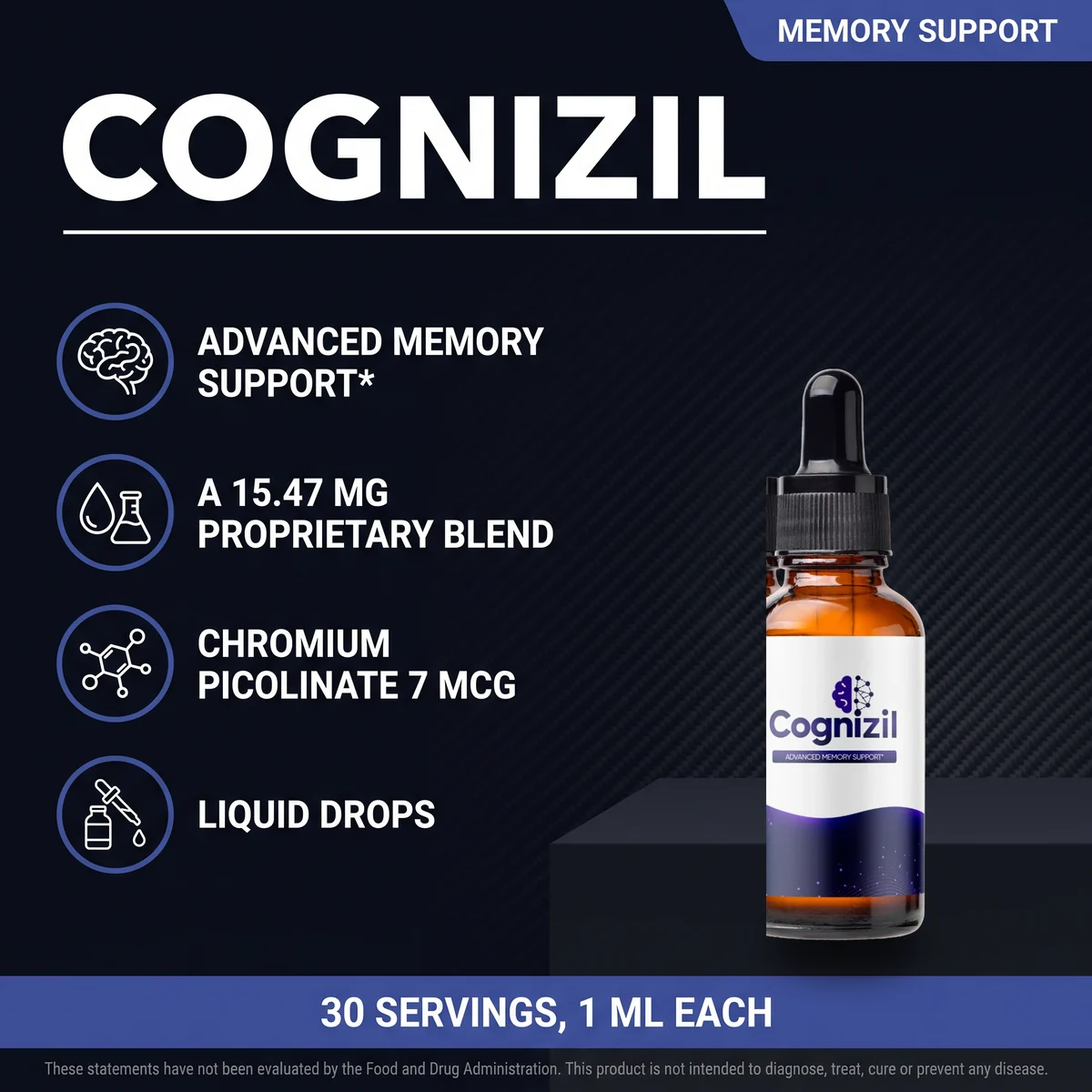
A nootropic blend is a formula that combines several ingredients — botanicals, amino acids and sometimes vitamins or minerals — chosen to support focus, mental energy and clarity rather than to rebuild brain structure. That is the core difference from fish oil: omega-3 is a structural nutrient you top up over months, whereas a blend like Cognizil is a daily-support product aimed at how sharp you feel through a working day. Cognizil, for the record, contains no omega-3, DHA or EPA; it pairs chromium with a 15.47 mg blend of maca, green tea, panax ginseng, GABA and L-tyrosine as fast liquid drops.
Do nootropic blends replace omega-3?
No, and it is worth being blunt. Because most nootropic blends carry no meaningful omega-3, they cannot close a dietary omega-3 gap — and omega-3 in turn does little for the immediate alertness people take a blend for. Treating a botanical blend as a substitute for fish oil, or vice versa, is where a lot of online advice quietly goes wrong.
Fish oil vs nootropics: how do they compare side by side?
The clearest way to compare fish oil and a nootropic blend is to line them up by what each is for, how fast it works, and the evidence behind it — and to notice how rarely the two overlap.
| Omega-3 / fish oil | Nootropic blend (e.g. Cognizil) | |
|---|---|---|
| Main job | Structural brain nutrition (DHA/EPA) | Daily focus, mental energy & clarity |
| Typical ingredients | DHA, EPA, sometimes ALA | Chromium + maca, green tea, ginseng, GABA, L-tyrosine |
| Timescale | Weeks to months of consistent intake | Day-to-day support, taken each morning |
| Evidence strength | Well-studied nutrient; strongest for known deficiency | Traditional and general-wellness use; varies by ingredient |
| Best for | Low-fish diets, long-term maintenance | Afternoon focus dips, busy mental workloads |
Read that table as two layers, not two options: omega-3 sits underneath as nutrition, a blend sits on top as daily support. For a deeper look, see our guide to nootropic ingredients for focus and memory.
See the exact dose in Cognizil
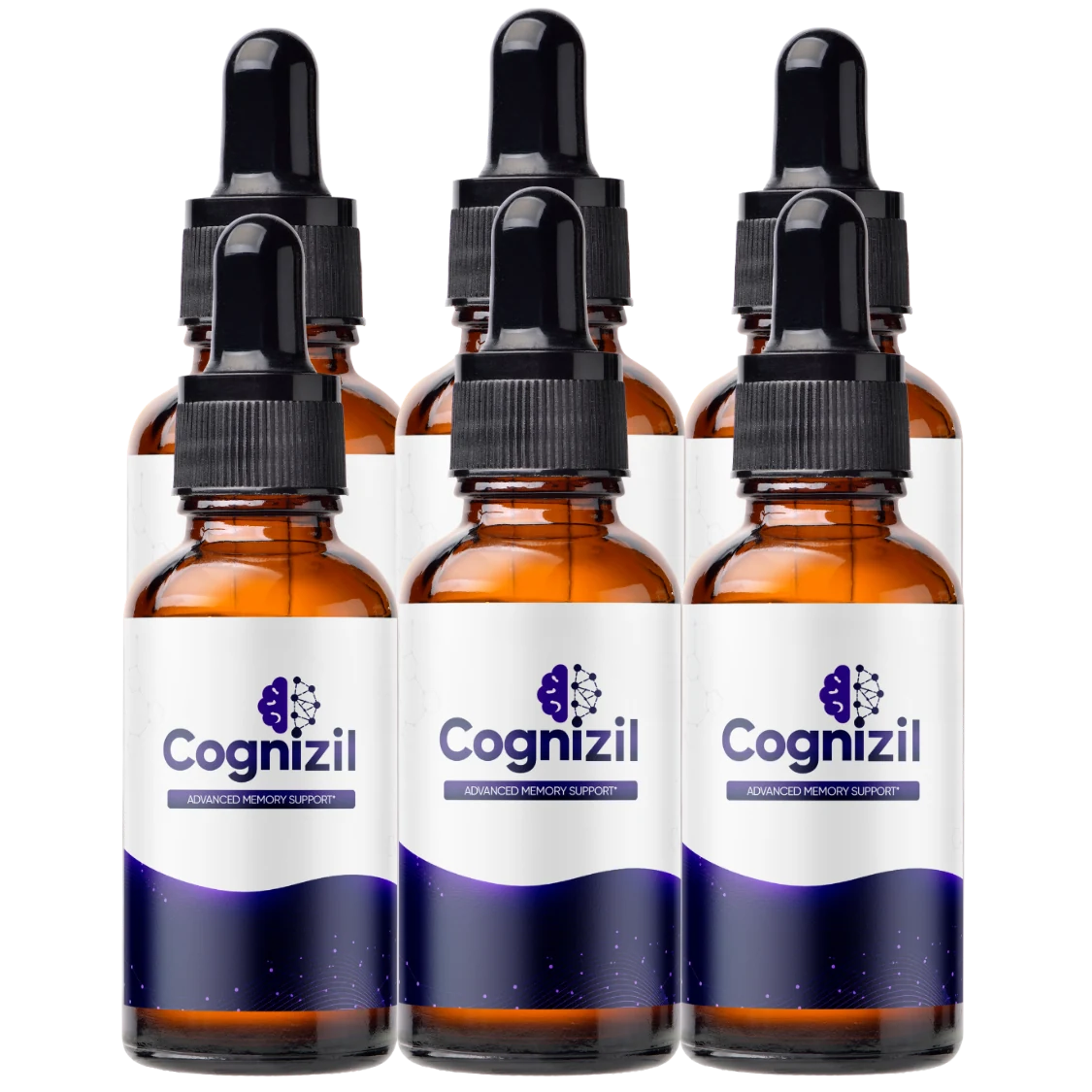
Cognizil is a once-daily dropper pairing chromium with a 15.47 mg botanical and amino-acid blend — the full label is on the product page. The six-bottle bundle is $49 per bottle with free shipping and a 180-day guarantee.
Order Cognizil — from $49/bottleDoes the research actually support omega-3 for the brain?
The evidence for omega-3 is strongest as basic nutrition and weakest as a fix for a specific outcome. Health authorities recognise DHA and EPA as normal parts of a healthy diet, and adequate DHA intake supports the maintenance of normal brain function — hence the common guidance of two servings of oily fish a week. The picture gets muddier with high-dose supplements aimed at slowing cognitive decline in well-nourished people, where large trials have been mixed: a 2024 dose-response meta-analysis in people without dementia found only small associations between omega-3 intake and cognitive measures (Suh et al., BMC Medicine, 2024), and NCCIH reaches a similarly cautious conclusion (NCCIH). In short: correcting a low intake is well-founded; expecting fish oil to sharpen an already good diet is not.
What about the evidence behind blends?
Nootropic-blend evidence is a patchwork, and it is fair to say so. Some single ingredients — panax ginseng, green tea’s L-theanine, L-tyrosine under stress — have their own research, though a 2025 network meta-analysis of plant actives in healthy older adults judged the overall literature small and inconsistent (Feng et al., Frontiers in Pharmacology, 2025), and the specific combination in any one product is rarely trial-tested as a finished formula. Our comparison of magnesium threonate versus botanical nootropics applies the same single-nutrient-versus-blend logic to a different mineral. A blend’s appeal therefore rests on the traditional use of its parts, not proof that the exact mix treats anything. Honest marketing calls this support, never a cure — and Cognizil is positioned that way on purpose.

Where does Cognizil fit if it has no omega-3?
Cognizil fits on the daily-support layer, not the structural-nutrition layer, and it is designed for the moments omega-3 was never meant to address. Fish oil will not do anything for a two-o’clock focus slump; a fast botanical dropper is built for that window. So see Cognizil as a companion to good brain nutrition — including omega-3 from fish or a supplement — not a replacement. If your diet is already rich in oily fish, you might simply add a focus blend; if not, closing the omega-3 gap and adding a blend covers both layers.
Check today’s Cognizil pricing →
Should you take omega-3 and a nootropic blend together?
For most healthy adults, combining omega-3 and a nootropic blend is common because the two work on different levels and do not duplicate each other. The routine below covers both the long-term and the day-to-day, but it is a general example, not a prescription — anyone on blood thinners, pregnant or nursing, or managing a condition should clear it with a doctor first.
| Goal | What to reach for | Roughly how often |
|---|---|---|
| Long-term brain nutrition | Oily fish or an omega-3 / DHA supplement | Fish ~2× a week, or a daily supplement |
| Daily focus & mental energy | Cognizil liquid drops | One dropperful each morning |
| Steady baseline | Sleep, movement, whole-food meals | Every day — the real foundation |
| Calm, alert afternoons | Green tea / L-theanine, hydration | As needed, earlier in the day |
The foundation row does the quiet heavy lifting: no supplement, omega-3 or blend, outperforms consistent sleep, movement and real food. To spell that out, see how to improve memory and focus naturally and our best foods for brain health and memory.
Who should talk to a doctor first?
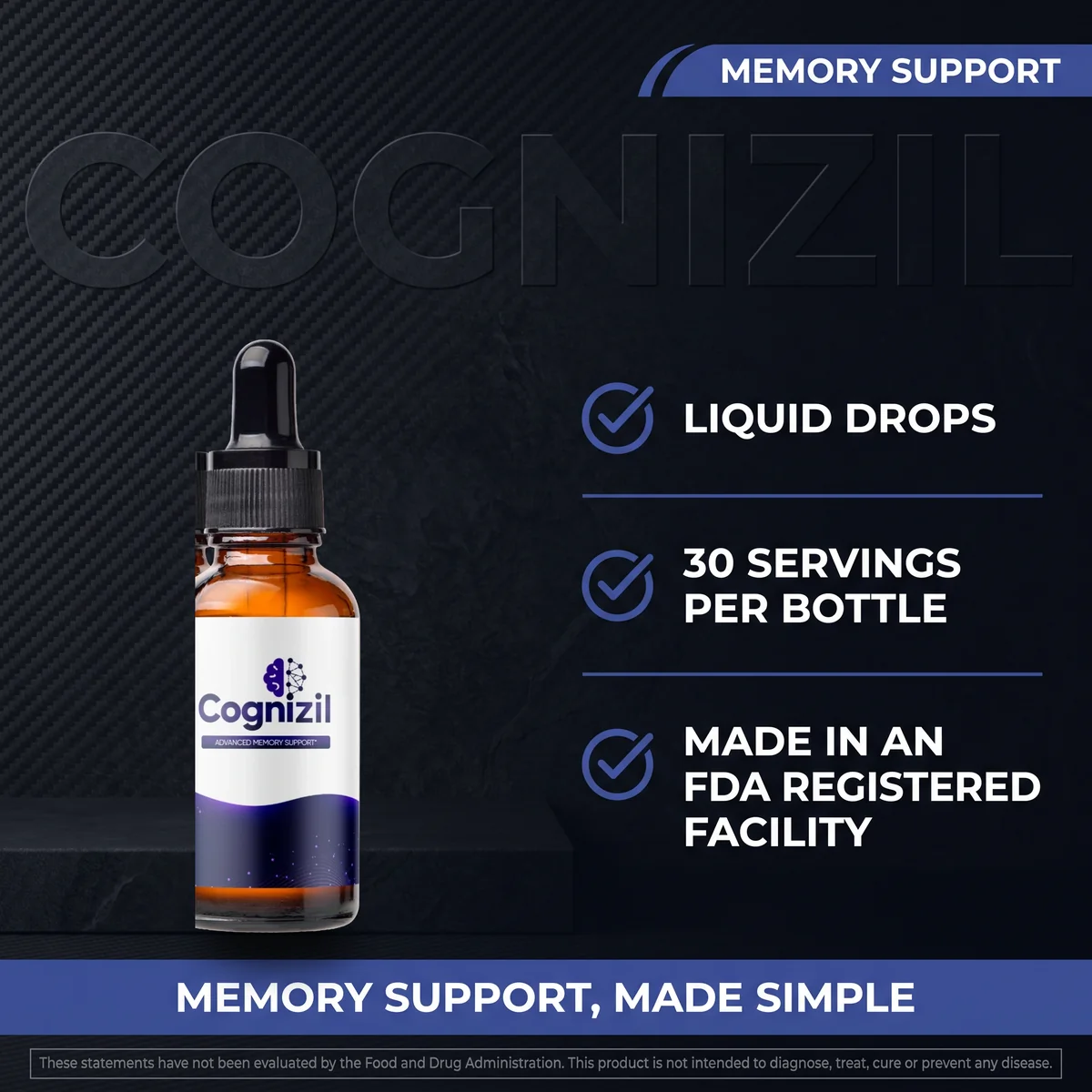
Supplements support general wellness; they do not replace medical care, and a few situations call for a professional conversation before you start either omega-3 or a blend. Speak with your doctor if you are pregnant or nursing, under 18, take medication — especially blood thinners, which interact with high-dose fish oil — have a diagnosed condition, or notice persistent problems such as memory loss that disrupts daily life. A short check keeps anything you add safe.

Frequently asked questions
Is omega-3 better than a nootropic blend for the brain?
They do different jobs, so neither is simply better. Omega-3 fatty acids, especially DHA, are structural fats the brain is built from, while nootropic blends like Cognizil target day-to-day focus, energy and mental clarity through botanicals and amino acids. Many people treat them as complementary rather than competing.
Does Cognizil contain omega-3 or fish oil?
No. Cognizil is a chromium and 15.47 mg botanical and amino-acid blend of maca, green tea, panax ginseng, GABA and L-tyrosine, with no fish oil, DHA or EPA. If you want omega-3 as well, it is taken as a separate supplement or from oily fish.
What does DHA do for the brain?
DHA is the most abundant omega-3 fatty acid in brain cell membranes and is a normal structural component of the brain. Adequate intake supports the maintenance of normal brain function, though it is a nutrient for general health and not a treatment for any condition.
Can I take fish oil and a nootropic blend together?
For most healthy adults the two are commonly combined because they work on different levels — omega-3 on brain structure and a blend like Cognizil on daily focus. Anyone on blood thinners, pregnant or nursing, or managing a health condition should ask a doctor first.
How much omega-3 do people usually aim for?
General guidance often points to two servings of oily fish a week, and many supplement labels provide a few hundred milligrams of combined DHA and EPA per day. Your individual needs depend on diet and health, so use product labels and professional advice rather than a one-size figure.
Which should I start with if I only pick one?
If your diet rarely includes oily fish, closing the omega-3 gap is a sensible first step for long-term brain nutrition. If your main frustration is afternoon focus and mental energy, a targeted blend like Cognizil speaks more directly to that goal. Ideally, sleep and diet come before either.
Try Cognizil with the 180-day guarantee →
Cognizil is a dietary supplement, not a treatment for any medical condition. These statements have not been evaluated by the Food and Drug Administration. This product is not intended to diagnose, treat, cure or prevent any disease. Always consult a qualified healthcare professional about your individual needs.
References & further reading
- National Institutes of Health, Office of Dietary Supplements. Omega-3 Fatty Acids — Fact Sheet for Health Professionals. ods.od.nih.gov/factsheets/Omega3FattyAcids-HealthProfessional
- National Center for Complementary and Integrative Health (NCCIH). Omega-3 Supplements: In Depth. nccih.nih.gov/health/omega3-supplements-in-depth
- Harvard T.H. Chan School of Public Health, The Nutrition Source. Omega-3 Fatty Acids: An Essential Contribution. nutritionsource.hsph.harvard.edu/omega-3-fats
- Mayo Clinic. Fish oil — supplement overview, uses and safety. mayoclinic.org/drugs-supplements-fish-oil
- Examine.com. Fish Oil — evidence-based summary. examine.com/supplements/fish-oil
- Feng X, et al. The effect of plant active substances on cognitive function in healthy older adults: a systematic review and network meta-analysis of randomized controlled trials. Frontiers in Pharmacology, 2025. pubmed.ncbi.nlm.nih.gov/41640686
- Suh SW, et al. The influence of n-3 polyunsaturated fatty acids on cognitive function in individuals without dementia: a systematic review and dose-response meta-analysis. BMC Medicine, 2024. pubmed.ncbi.nlm.nih.gov/38468309
These references describe the ingredients and habits in general terms and do not constitute evidence that any product treats, cures or prevents any condition.
Keep reading: how nootropic ingredients work · the best foods for brain health and memory · back to the Cognizil blog · homepage.