Natural vs synthetic nootropics: the Cognizil take
Natural vs synthetic nootropics is a choice between two philosophies: gentle, food-derived botanicals and amino acids that support everyday focus, versus lab-made smart drugs and racetams that act more strongly but sit under tighter regulation. Neither camp is automatically better — the honest question is which one fits the way you actually live, and how much oversight you want behind what you take.
Natural and synthetic nootropics, compared where it counts.
- Natural nootropics
- Nutrients, herbs and amino acids — green tea, ginseng, L-tyrosine, chromium — sold as dietary supplements for gentle, everyday support.
- Synthetic nootropics
- Lab-made molecules such as racetams and prescription stimulants; stronger effects, but heavier regulation and clearer risks.
- Regulation
- Botanicals follow supplement rules; racetams are largely unapproved; stimulants need a prescription. Oversight rises with potency.
- Everyday suitability
- For most people wanting daily, low-drama support, well-studied botanicals are the more practical starting point.
Walk into any focus-and-memory conversation and you quickly hit a fork in the road. This guide lays the two paths side by side — on evidence, safety and the rules that govern them — and shows where a botanical formula like Cognizil sits on the map.
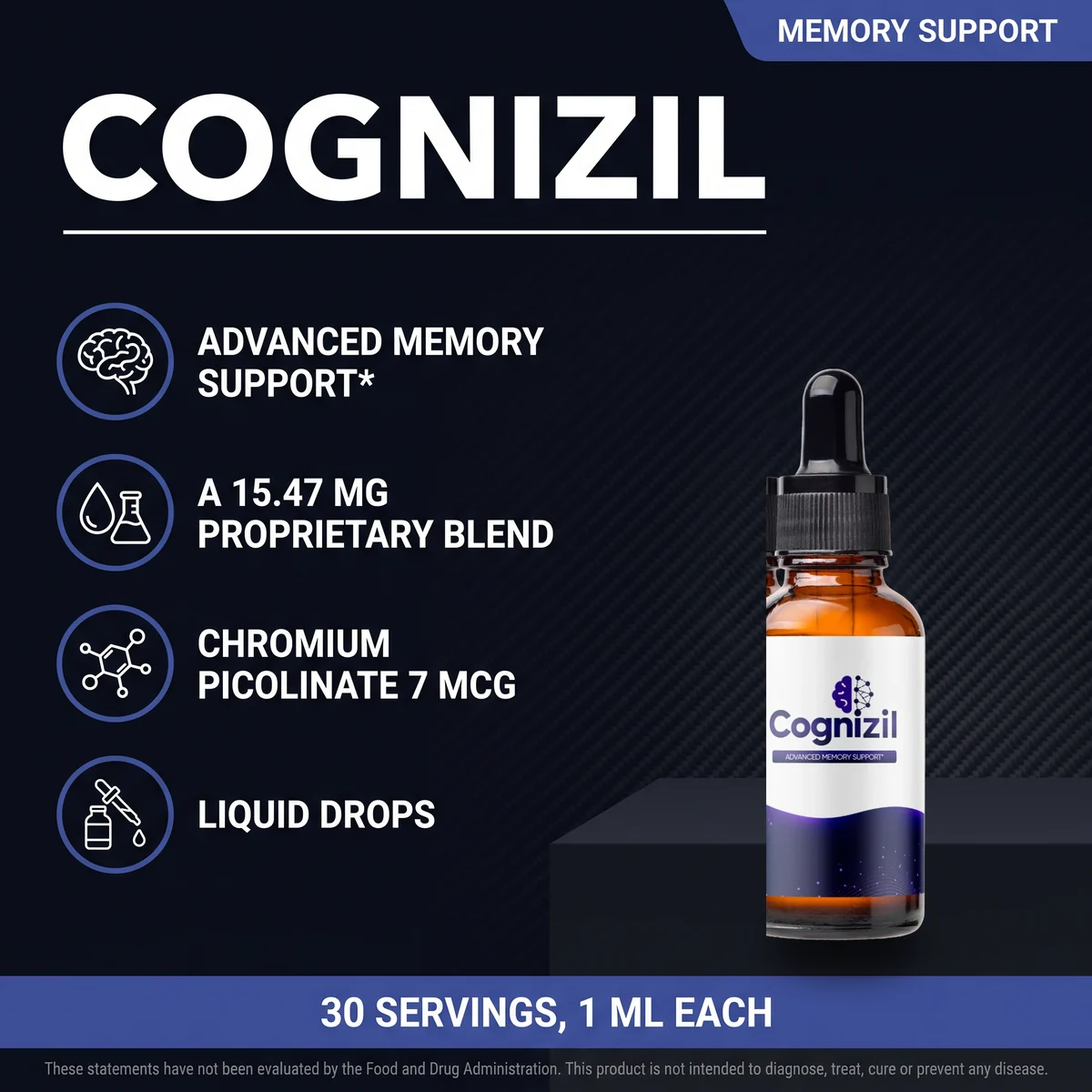
What exactly are natural and synthetic nootropics?
A nootropic is any substance taken with the goal of supporting cognition — attention, memory, mental energy or clarity — and the family splits neatly into two branches by origin. Natural nootropics are nutrients and compounds derived from food, plants or the body itself: caffeine and L-theanine from tea, adaptogens like panax ginseng, amino acids such as L-tyrosine and GABA, and trace minerals like chromium. Synthetic nootropics are engineered in a laboratory to act on the brain more directly, from the racetam class (piracetam and its cousins) to prescription stimulants and wakefulness agents used off-label for focus; a 2022 review in Nutrients catalogues the main classes, their typical doses and their side effects (Malík & Tůma, Nutrients, 2022). Our explainer on what nootropics are and how they work sets out the definition in more detail.
The line is not always tidy — some natural compounds are standardised or concentrated in ways nature never intended, and a few synthetics are lab copies of molecules the body already makes. But as a working rule, natural nootropics reach you as dietary supplements or foods, while the strongest synthetics reach you as medicines or unapproved research chemicals.
Where do botanical nootropics fit?
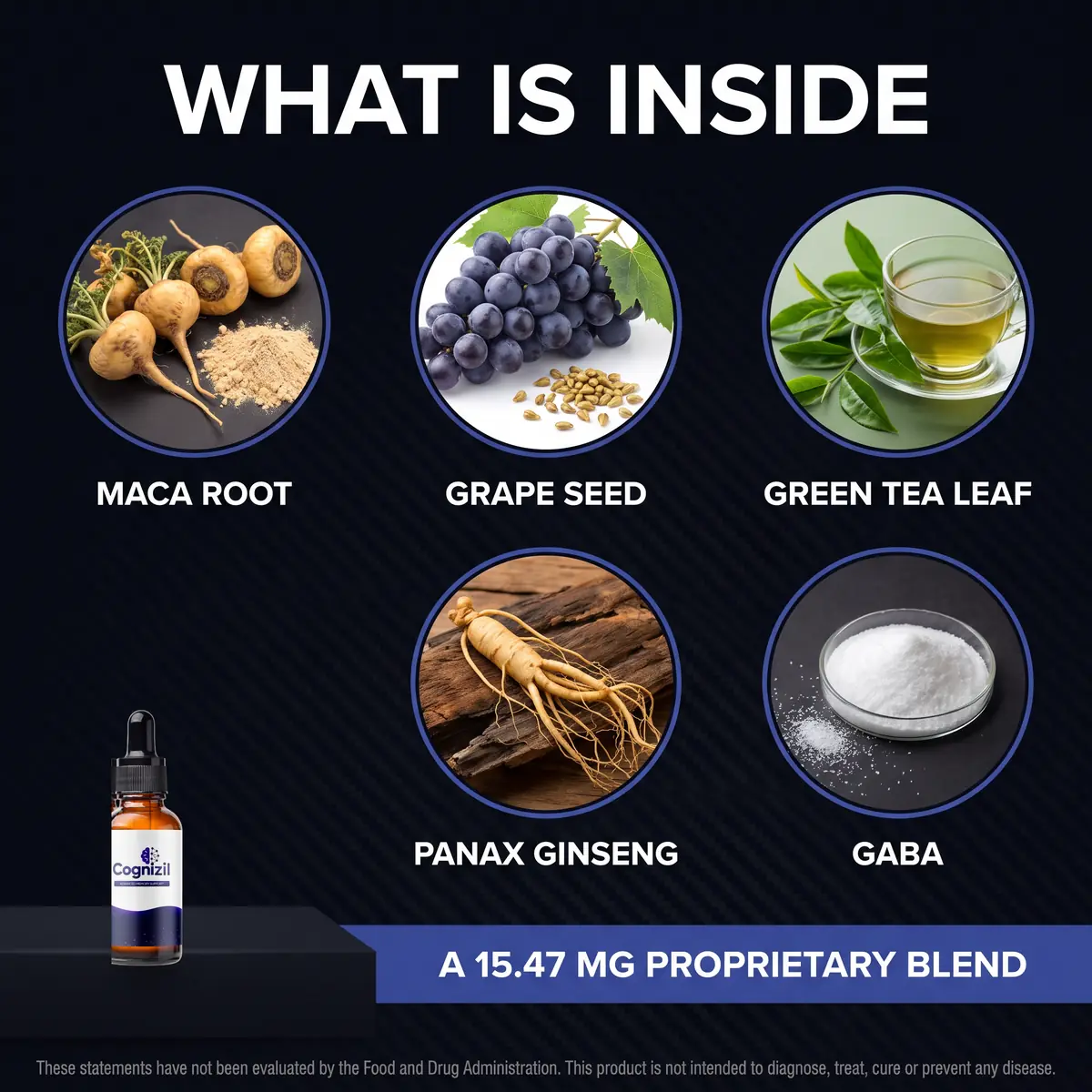
Botanical nootropics are plant-derived ingredients — leaves, roots, seeds and their extracts — used across traditional systems and modern supplements to support a calm, alert mind. Green tea leaf, maca root, grape seed and panax ginseng all belong here, valued less for a single dramatic effect than for a broad, gentle nudge toward everyday wellness. They are the backbone of most natural focus blends, including Cognizil.
How are the two groups regulated?
Regulation is the sharpest dividing line between natural and synthetic nootropics, and it tracks potency closely. In the United States, botanical and nutrient nootropics are sold as dietary supplements: manufacturers are responsible for safety and honest labelling, products cannot claim to treat disease, and quality varies with the maker — the FDA sets out that framework (U.S. Food and Drug Administration), and NCCIH explains what it does and does not guarantee (NCCIH). Synthetic racetams occupy a grey zone — they are neither approved medicines nor lawful dietary ingredients — while prescription stimulants are tightly controlled and legal only with a doctor’s script.
| Category | Example | Typical regulatory status (US) |
|---|---|---|
| Botanical / nutrient | Green tea, ginseng, chromium | Sold as dietary supplements; no disease claims permitted. |
| Amino acids | L-tyrosine, GABA | Generally sold as supplements; food-derived building blocks. |
| Racetams | Piracetam, aniracetam | Not approved as a supplement or medicine; unsettled, unregulated. |
| Prescription stimulants | Modafinil, amphetamine salts | Prescription-only; controlled substances with strict oversight. |
The practical takeaway: the natural side gives you regulated, over-the-counter access with milder effects, while the synthetic side either demands medical supervision or leaves you buying unapproved compounds of uncertain quality. For a daily focus habit, that difference matters more than most people expect.
What does the evidence actually say — racetams vs herbs?
Racetams vs herbs is really a contrast between strong-but-thin and gentle-but-broad evidence. Racetams have been studied for decades, mostly in clinical and older-adult settings, and results in healthy people are inconsistent enough that no racetam is approved for cognitive enhancement in the United States; a review in Drugs weighing the benefits and harms of “smart drugs” in healthy individuals reached the same conclusion (Schifano et al., Drugs, 2022). Botanicals such as ginseng and green tea carry centuries of traditional use plus a growing but still-early modern literature: a 2025 network meta-analysis of plant actives in healthy older adults found the trials small and heterogeneous (Feng et al., Frontiers in Pharmacology, 2025), which supports alertness, a calm-yet-focused state and general wellness rather than dramatic cognitive gains — and the same holds for a plant caffeine source like guarana.
Honesty is the point here. For both natural and synthetic nootropics, the human evidence is mixed, effect sizes are usually modest, and much of the research is small or short. Anyone promising a genius pill — herbal or lab-made — is overselling. What the science supports is gentle support, not transformation, and that is the frame Cognizil is built on. For an ingredient-by-ingredient look, see our guide to nootropic ingredients for focus and memory.
See the exact dose in Cognizil →
Smart drugs vs natural: which suits everyday use?
Smart drugs vs natural nootropics comes down to intensity versus sustainability. Synthetic smart drugs can deliver a sharp, obvious lift, which is exactly why they are used — and also why they carry steeper side-effect, tolerance and dependence concerns and are best reserved for supervised, specific situations. Natural nootropics trade that peak for a milder, steadier profile you can lean on day after day without the same crash-and-comedown pattern.
The table below sketches the trade-offs most people weigh.
| Factor | Natural nootropics | Synthetic smart drugs |
|---|---|---|
| Typical strength | Gentle, gradual | Strong, fast-acting |
| Access | Over-the-counter supplement | Prescription or unapproved |
| Side-effect profile | Generally mild | Higher; tolerance possible |
| Best suited to | Daily, long-term support | Short, supervised use |
| Quality assurance | Varies by brand | Varies widely; risky if unapproved |
For the everyday goal — a mind that feels a little clearer through a normal, busy day — the natural side is the more sensible default. That is the niche Cognizil aims for: a once-daily botanical dropper, not a hard-hitting stimulant.
Where Cognizil lands
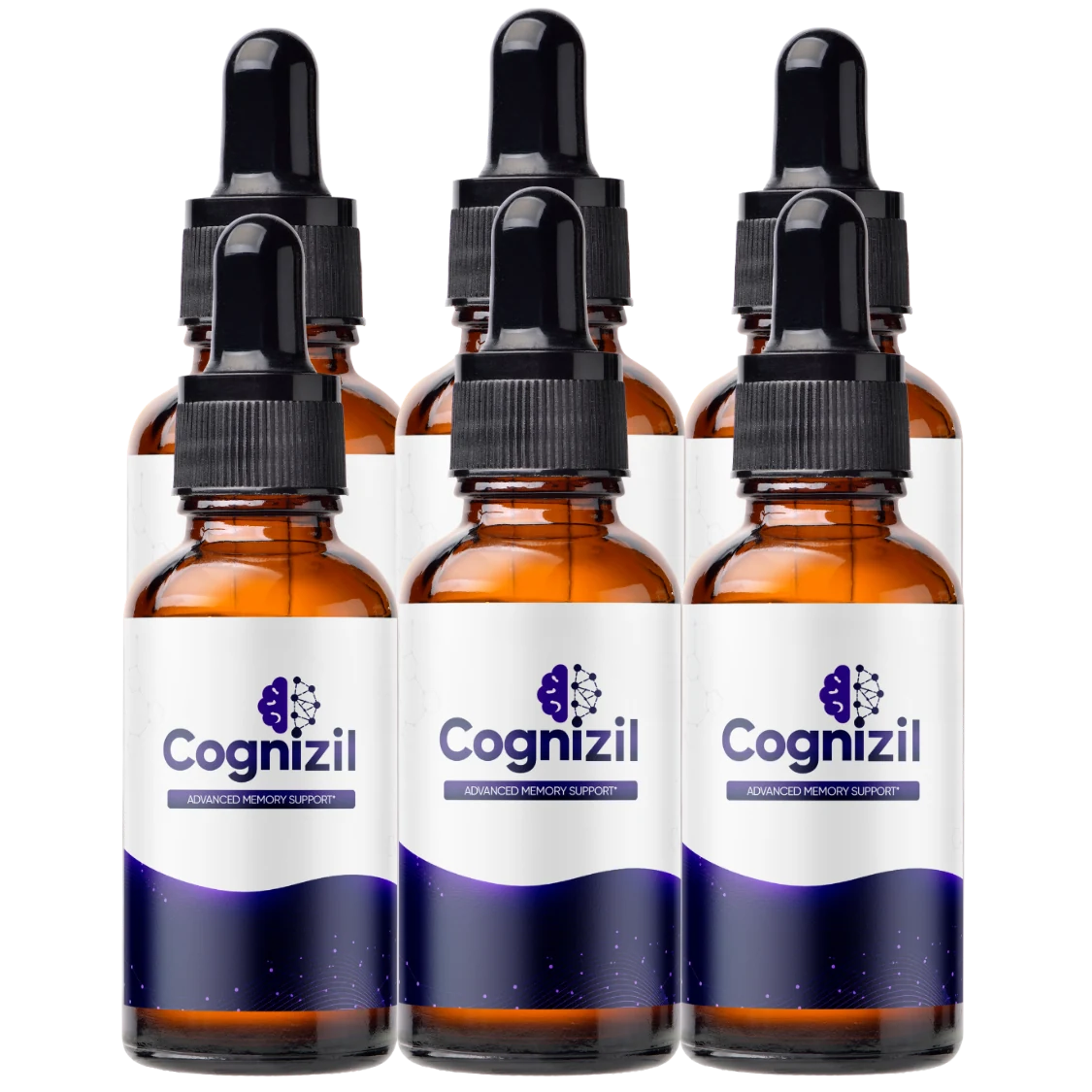
Cognizil pairs the trace mineral chromium with a 15.47 mg botanical and amino-acid blend — no racetams, no prescription stimulants. The six-bottle bundle is the best value at $49 per bottle, with free U.S. shipping and a 180-day guarantee.
Check today’s Cognizil pricing — from $49/bottleWhere does Cognizil sit on the natural-synthetic map?
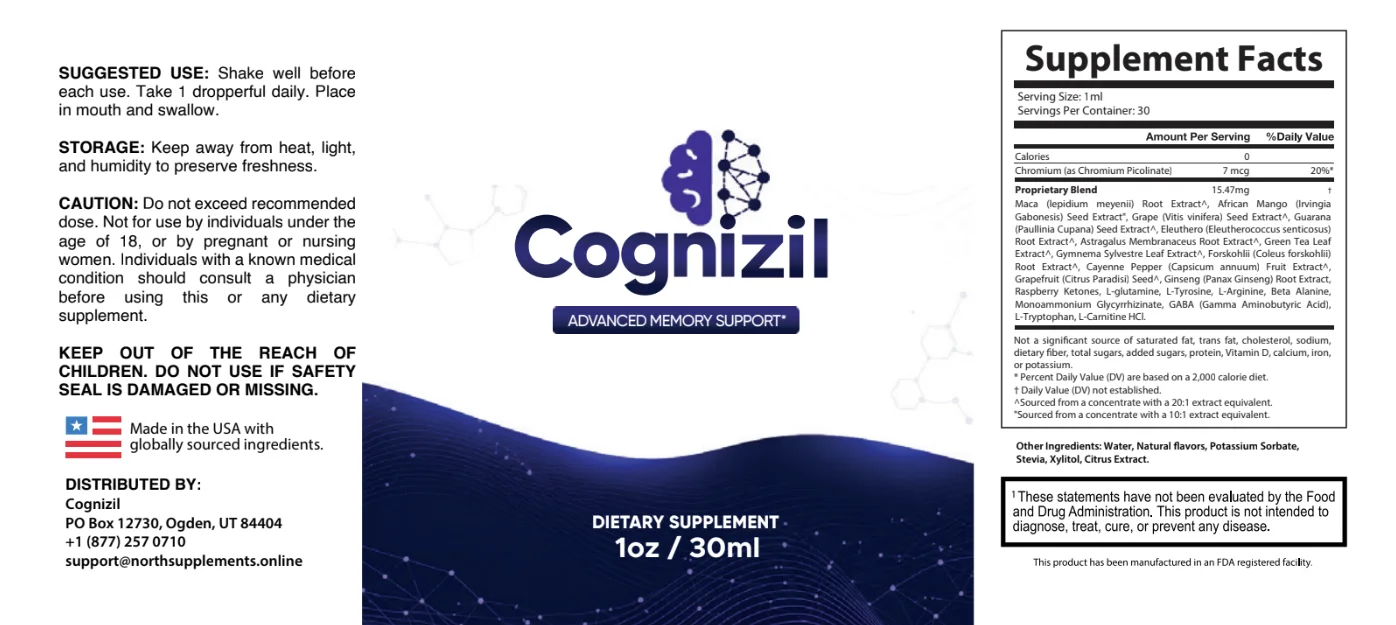
Cognizil is a natural-leaning nootropic: a dietary supplement built entirely on food-derived nutrients rather than lab-made smart drugs. Its formula combines chromium (as chromium picolinate) with a 15.47 mg blend of maca, green tea, panax ginseng, GABA and L-tyrosine, delivered as fast liquid drops instead of a pill. There are no racetams and no controlled stimulants in the bottle — which is why it is sold over the counter and framed as everyday support, not treatment.
The label is easy to read for exactly this reason. You can see the whole picture on the supplement facts panel below, or read our full Cognizil review for how the ingredients are meant to work together.
How do you choose between them?
Choosing a nootropic is less about natural versus synthetic in the abstract and more about matching intensity, oversight and risk to your own situation. A few questions cut through most of the noise:
- How much oversight do you want? Prefer a regulated, over-the-counter product? That points to botanicals.
- Daily habit or occasional push? Sustainable daily support favours gentle natural blends; rare, high-stakes days are a medical conversation.
- Are you on medication? Any drug, condition, pregnancy or age under 18 means a doctor comes first, whatever the label says.
- Do you trust the source? Buy from a maker that shows its label and dose; avoid unapproved research chemicals sold with big promises.
- What are your expectations? Want support, not a miracle? Natural fits. Want a dramatic pharmaceutical effect? That is a different, supervised path.
For readers leaning natural, it also helps to pair any supplement with the basics that do the heavy lifting — sleep, movement and food. Our guide to improving memory and focus naturally covers those habits in depth, and magnesium threonate versus botanical nootropics runs the same single-nutrient-versus-blend comparison on the mineral side.

When should you talk to a doctor?
Any nootropic conversation should start with a doctor if your health picture is anything but simple. Speak with a qualified professional before trying natural or synthetic nootropics if you are pregnant or nursing, under 18, take any medication, or live with a diagnosed condition — botanicals like ginseng and green tea can interact with blood thinners and stimulants, and synthetics carry heavier risks still. Seek prompt care for memory loss that disrupts daily life, confusion, or sudden changes in thinking, which are medical issues no supplement addresses.
Frequently asked questions
What is the difference between natural and synthetic nootropics?
Natural nootropics are nutrients and plant or amino-acid compounds — such as green tea, panax ginseng, L-tyrosine and chromium — used to support everyday focus and mental clarity. Synthetic nootropics are lab-made molecules, including racetams and prescription stimulants, that act more strongly and usually sit under tighter medical or legal control.
Are botanical nootropics safer than synthetic smart drugs?
Well-studied botanicals used at food-like amounts generally have long histories of use and gentle profiles, but natural does not mean risk-free — herbs can interact with medication. Synthetic smart drugs act more powerfully and carry clearer side-effect and dependence concerns, which is why many require a prescription.
Are racetams legal to buy?
Racetams such as piracetam are not approved as dietary supplements or medicines in the United States, so their legal status is unsettled and they are not sold as regulated products. Rules differ by country, and buying unapproved compounds online carries quality and safety risks.
Is Cognizil a natural or synthetic nootropic?
Cognizil is a natural-leaning dietary supplement built on the trace mineral chromium plus a 15.47 mg botanical and amino-acid blend of maca, green tea, panax ginseng, GABA and L-tyrosine. It contains no racetams or prescription stimulants and is intended to support everyday memory and focus, not to treat any condition.
Do natural nootropics work as well as synthetic ones?
Synthetic compounds tend to produce stronger, faster effects, while botanicals offer gentler, gradual support that suits daily use. Evidence for both is mixed and often early, so honest expectations matter more than the label — natural options trade peak intensity for a milder profile.
Can I take a natural nootropic with prescription medication?
Not without checking first. Botanicals like ginseng and green tea can interact with blood thinners, stimulants and other drugs, so anyone on medication, pregnant, nursing or under 18 should speak with a doctor or pharmacist before adding any nootropic.
Try Cognizil with the 180-day guarantee →
Cognizil is a dietary supplement, not a treatment for any medical condition. These statements have not been evaluated by the Food and Drug Administration. This product is not intended to diagnose, treat, cure or prevent any disease. Always consult a qualified healthcare professional about your individual needs.
References & further reading
- National Center for Complementary and Integrative Health (NCCIH). Dietary and Herbal Supplements. nccih.nih.gov/health/dietary-and-herbal-supplements
- National Center for Complementary and Integrative Health (NCCIH). Asian Ginseng. nccih.nih.gov/health/asian-ginseng
- National Institutes of Health, Office of Dietary Supplements. Chromium — Fact Sheet for Health Professionals. ods.od.nih.gov/factsheets/Chromium-HealthProfessional
- Malík M, Tůma P. Nootropics as Cognitive Enhancers: Types, Dosage and Side Effects of Smart Drugs. Nutrients, 2022. pubmed.ncbi.nlm.nih.gov/36014874
- Examine.com. Nootropics — evidence-based overview. examine.com/topics/nootropic
- Schifano F, et al. Benefits and Harms of ‘Smart Drugs’ (Nootropics) in Healthy Individuals. Drugs, 2022. pubmed.ncbi.nlm.nih.gov/35366192
- Feng X, et al. The effect of plant active substances on cognitive function in healthy older adults: a systematic review and network meta-analysis of randomized controlled trials. Frontiers in Pharmacology, 2025. pubmed.ncbi.nlm.nih.gov/41640686
- Mayo Clinic. Memory loss: When to seek help. mayoclinic.org/diseases-conditions/memory-loss
These references describe the ingredients and categories in general terms and do not constitute evidence that any product treats, cures or prevents any condition.
Keep reading: how nootropic ingredients work · improve memory and focus naturally · back to the Cognizil blog · homepage.