What are nootropics, and how do they really work? The Cognizil guide
Nootropics are foods, nutrients and compounds that people take to support mental performance — focus, memory, motivation and clear everyday thinking. The category stretches from the coffee on your desk to botanicals, minerals and amino acids, and it works best as a support for good sleep, diet and movement rather than a shortcut around them.
What nootropics are and how they work, in one place.
- Plain definition
- A nootropic is anything taken to help the mind work a little better — more focus, steadier memory, clearer thinking — from caffeine to well-studied botanicals.
- Main categories
- Dietary stimulants, natural botanicals, essential minerals and vitamins, amino acids, and synthetic or prescription compounds.
- How they work
- Different routes: supplying neurotransmitter building blocks, supporting blood flow and normal energy metabolism, or helping the body handle stress.
- Where Cognizil fits
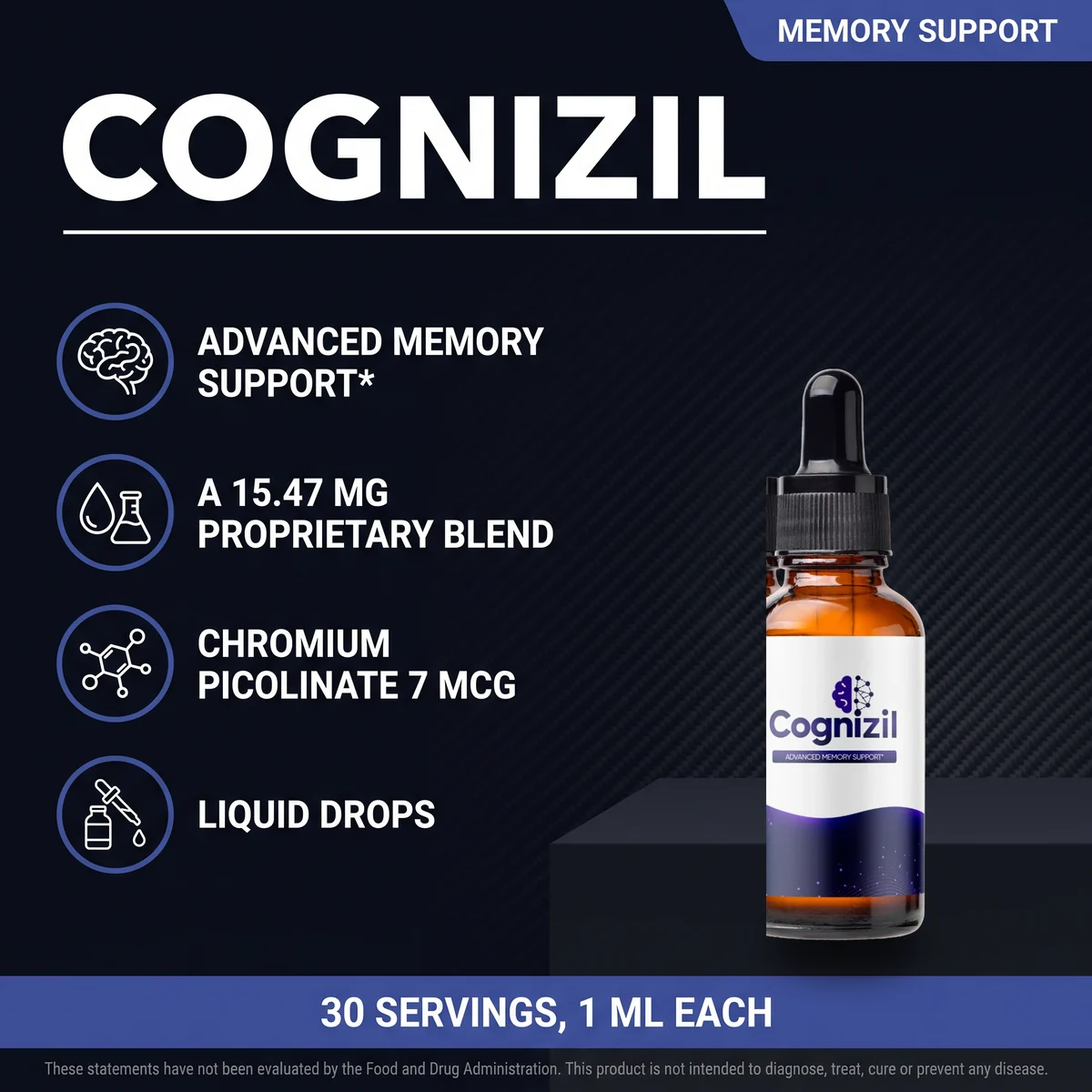
- A natural, liquid-drop nootropic pairing the mineral chromium with a 15.47 mg botanical and amino-acid blend for everyday clarity — not a treatment for any condition.
“Nootropic” sounds clinical, but the idea is simple: if you have ever reached for coffee before a big morning, you have taken one. This guide explains what the word means, breaks the field into a few categories, and shows how a botanical-plus-mineral formula like Cognizil supports everyday focus and memory.
What are nootropics, exactly?
A nootropic is any substance — food, nutrient, botanical or compound — taken to support aspects of mental performance such as attention, memory, motivation or mental stamina. The term was coined in the 1970s by the chemist Corneliu Giurgea, from the Greek for “mind” and “to bend” — a 2022 review in Nutrients traces how the definition widened from that original pharmacological sense into today’s catch-all (Malík & Tůma, Nutrients, 2022). In everyday use it now covers the whole family of “brain-supporting” ingredients, from a strong espresso to a dosed supplement.
One thing a nootropic is not is a magic pill. Nothing you swallow will rewrite your intelligence overnight, and honest sources describe support, not transformation — think of nootropics as one lever, alongside sleep, food and movement, that helps a healthy brain do the work it is already built to do.
Where did the idea of “brain support” come from?
The pursuit of sharper thinking is far older than the word for it, and many of the plants cultures once reached for still appear in modern formulas.
Traditional botanicals with a long history
Some of today's best-known nootropic ingredients have been used for centuries. Panax ginseng has a storied history in East Asian tonics for energy; maca root was cultivated in the Andes for stamina; and green tea has been sipped for calm, alert focus for over a thousand years. Their long traditions are part of why researchers keep studying them, though tradition is a starting point for questions, not proof of a benefit.
The modern supplement era
What changed recently is packaging and precision. Instead of brewing a leaf or chewing a root, modern formulas combine standardized amounts of several ingredients in one daily dose — the lineage a formula like Cognizil's ingredient blend sits in, delivered as fast liquid drops rather than a handful of pills.
What are the main categories of nootropics?
Nootropics are easiest to understand sorted into a few groups, because each works differently and carries its own risk profile. Most of what you read about falls into one of five buckets.
| Category | Common examples | What it aims to support |
|---|---|---|
| Dietary stimulants | Caffeine, guarana | Short-term alertness and wakefulness; the fastest-acting group. |
| Natural botanicals | Panax ginseng, maca, green tea, grape seed | Everyday energy, a calm-yet-alert state and general antioxidant support. |
| Essential minerals & vitamins | Chromium, zinc, B-vitamins | Normal metabolism and energy processing that keep the brain fuelled. |
| Amino acids | L-tyrosine, L-theanine, GABA | Building blocks for neurotransmitters and the calm-focus balance. |
| Synthetic / prescription | Racetams, modafinil (Rx only) | Studied clinically for specific conditions; not sold as supplements. |
That last row matters: synthetic and prescription compounds belong to medical care and a doctor's supervision, and a review in Drugs weighing their benefits and harms in healthy people found the risk-to-benefit case unconvincing outside a clinical indication (Schifano et al., Drugs, 2022). Our side-by-side on natural versus synthetic nootropics takes that comparison further. Everything else — stimulants, botanicals, minerals and amino acids — is what most people mean by a “nootropic supplement.”
How do nootropics actually work in the brain?
Nootropics do not share one single mechanism; they work through several routes, which is why thoughtful formulas combine ingredients. Three routes cover most of what a natural nootropic is trying to do.
Supplying neurotransmitter building blocks
Your brain cells communicate using chemical messengers called neurotransmitters, which the body builds from raw materials in food. Amino acids such as L-tyrosine are precursors used to make certain neurotransmitters, while GABA is itself one of the body's main calming signals. The idea is to keep the pantry stocked so normal signalling has what it needs.
Supporting blood flow and normal energy metabolism
The brain is an energy-hungry organ, and ingredients in this lane support the steady delivery of oxygen and glucose that keeps thinking clear. Chromium, an essential trace mineral, contributes to normal macronutrient metabolism — the everyday energy processing behind an un-foggy afternoon — and antioxidant-rich botanicals like grape seed and green tea are studied for their role in healthy circulation.
Helping the body handle stress
A third group, the adaptogens, is used traditionally to help the body cope with everyday stress and fatigue. Panax ginseng and maca are the classic examples: rather than acting like a stimulant, they are taken to support resilience over time. Because chronic stress is a major drain on focus, this angle matters.
See the exact dose in Cognizil
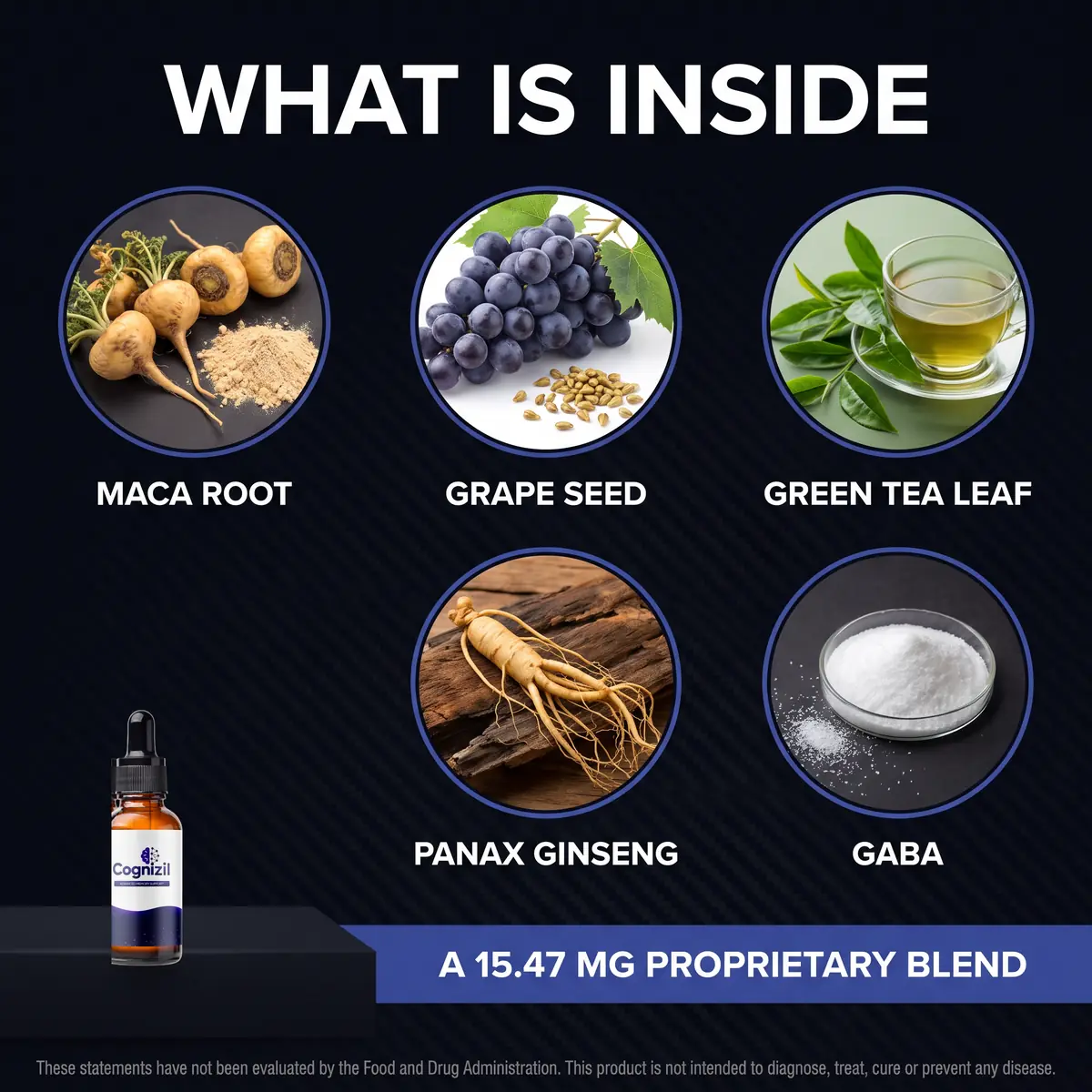
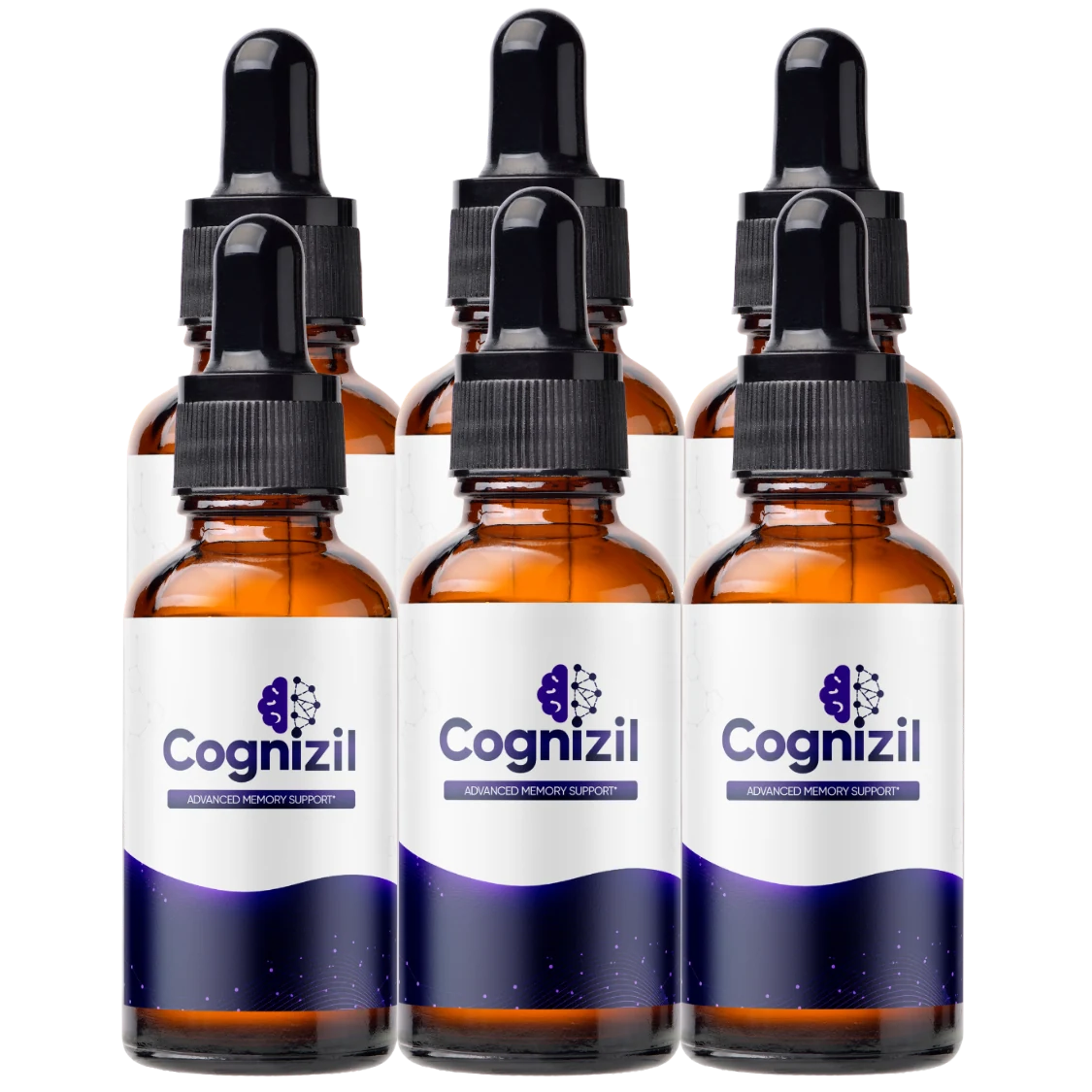
Cognizil pairs the mineral chromium with a 15.47 mg botanical and amino-acid blend of maca, green tea, panax ginseng, GABA and L-tyrosine in one daily dropper. The six-bottle bundle is the best value at $49 per bottle, with free U.S. shipping and a 180-day guarantee.
Check today's Cognizil pricing — from $49/bottleWhat makes a nootropic supplement like Cognizil different?
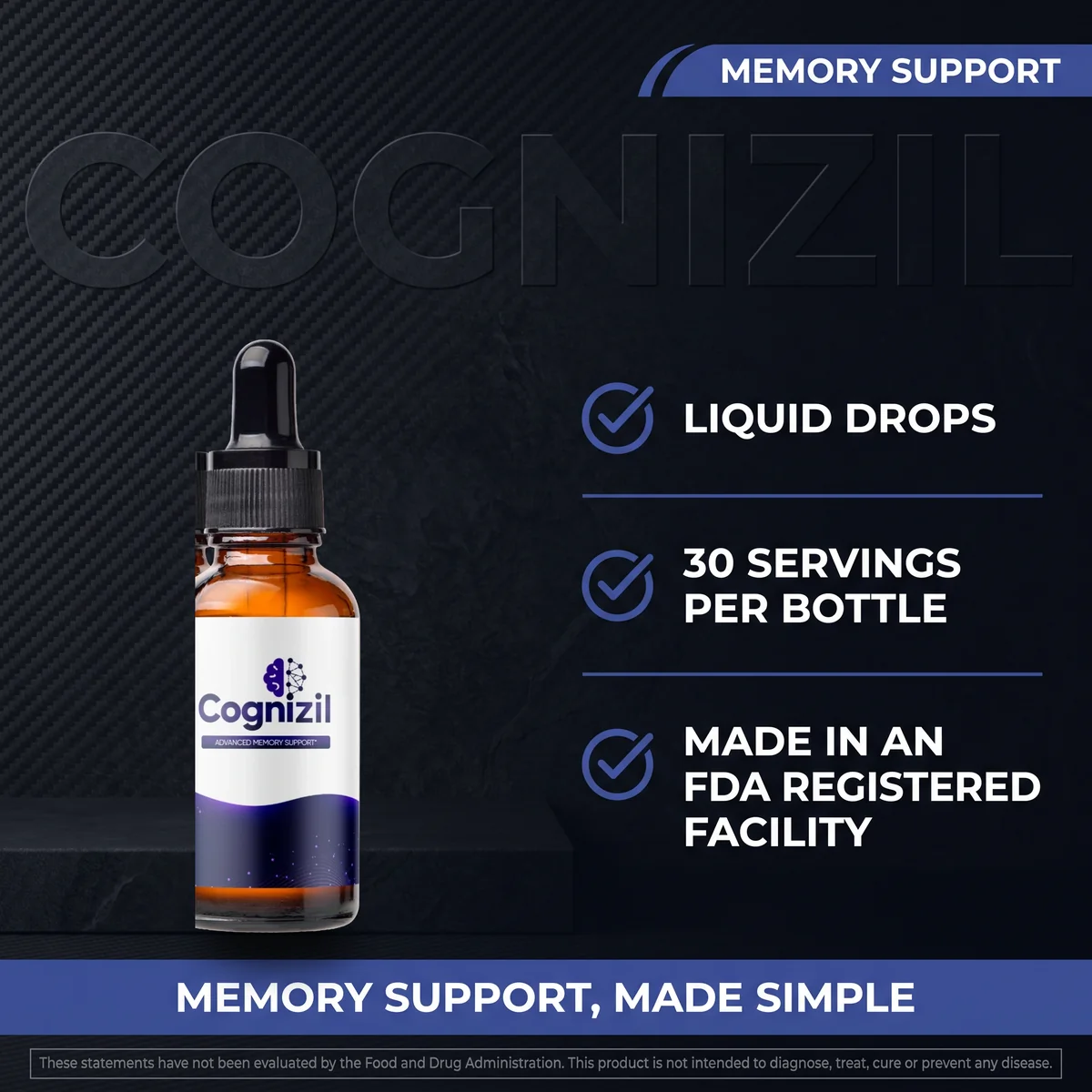
A well-made supplement should name its ingredients, disclose amounts where it can, be produced to recognised manufacturing standards, and stand behind itself with a guarantee. Rather than a single stimulant, Cognizil takes the combination approach: one trace mineral plus a small botanical and amino-acid blend, as easy-to-keep liquid drops.
Format matters more than people expect. A daily habit only helps if you keep it, and a dropper you add to water is, for many people, easier to remember than another capsule — and consistency is where botanicals do their quiet work.
Are nootropics safe, and what does the evidence really say?
Well-studied botanicals and nutrients are generally well tolerated by healthy adults when used as directed, but “natural” is not the same as “risk-free,” and safety depends on the ingredient, the dose and the person. The honest summary: the evidence is strongest for basic nutrition and lifestyle, and more mixed for many individual botanicals — a 2025 network meta-analysis of plant active substances in healthy older adults described the trials as small, heterogeneous and often at risk of bias (Feng et al., Frontiers in Pharmacology, 2025), and NCCIH says much the same (NCCIH).
This is where marketing and reality often part ways. A responsible product describes traditional and general use and points to research on its ingredients, without promising to cure, treat or prevent anything — supplements are not medicines. If a nootropic claims to fix a diagnosis or guarantees a dramatic result, treat that as a red flag.
How do you choose a nootropic worth taking?
Choosing well means reading the label like a sceptic. The table below lists what to check, why it matters, and how Cognizil answers each point, so you can apply the same filter to any product.
| What to check | Why it matters | How Cognizil answers |
|---|---|---|
| Named, sensibly dosed ingredients | Vague “proprietary blends” hide what you are actually taking. | Chromium plus a disclosed 15.47 mg botanical and amino-acid blend. |
| Format and convenience | The best supplement is the one you will actually take daily. | Fast liquid drops rather than a pill. |
| Manufacturing standards | Quality and consistency depend on how it is made. | Made in the USA in an FDA-registered facility. |
| A real guarantee | Lets you trial it with little downside. | 180-day money-back guarantee. |
| Honest claims | No supplement should promise to cure or treat disease. | Positioned as everyday support, not treatment. |
Run any nootropic through those five questions and the crowded shelf gets smaller. For more, read our full Cognizil review and ingredient breakdown or the guide on improving memory and focus naturally.

When should you talk to a doctor first?
Nootropic supplements are for supporting everyday focus and memory in healthy adults; they are not a replacement for medical care. Speak with your doctor before starting any nootropic if you are pregnant or nursing, under 18, take medication, or have a diagnosed condition — and see a professional promptly for persistent memory loss, confusion or sudden changes in thinking.
Frequently asked questions
What are nootropics in simple terms?
Nootropics are foods, nutrients or compounds people take to support mental performance, such as focus, memory and clear thinking. They range from everyday things like caffeine and green tea to botanicals, minerals and amino acids. They are supports for a healthy routine, not treatments for any medical condition.
How do nootropics work in the brain?
Different nootropics act through different routes: some supply the raw materials for neurotransmitters, some support blood flow and normal energy metabolism, and adaptogens are traditionally used to help the body handle stress. No supplement rewires the brain, and effects tend to be supportive and gradual rather than dramatic.
Is caffeine a nootropic?
Yes. Caffeine is the most widely used nootropic in the world and genuinely increases short-term alertness. It works best in moderate amounts earlier in the day, paired with water, and it does not replace sleep or a balanced diet.
What kind of nootropic is Cognizil?
Cognizil is a natural, supplement-style nootropic in liquid-drop form. It combines the essential trace mineral chromium with a 15.47 mg botanical and amino-acid blend of maca, green tea, panax ginseng, GABA and L-tyrosine, and is intended to support everyday memory and focus rather than to treat any condition.
Are nootropic supplements safe?
Well-studied botanicals and nutrients are generally well tolerated by healthy adults when used as directed, but safety depends on the ingredient, the dose and the person. If you are pregnant or nursing, under 18, take medication or have a health condition, ask a doctor before starting any nootropic.
How long do nootropics take to work?
Stimulant-type nootropics like caffeine act within an hour, while botanical blends are usually taken daily and build their support gradually over several weeks. Individual results vary, so most people give a botanical formula a consistent multi-week trial.
See the exact dose in Cognizil — try it with the 180-day guarantee →
Cognizil is a dietary supplement, not a treatment for any medical condition. These statements have not been evaluated by the Food and Drug Administration. This product is not intended to diagnose, treat, cure or prevent any disease. Always consult a qualified healthcare professional about your individual needs.
References & further reading
- National Center for Complementary and Integrative Health (NCCIH). Asian Ginseng. nccih.nih.gov/health/asian-ginseng
- National Center for Complementary and Integrative Health (NCCIH). Green Tea. nccih.nih.gov/health/green-tea
- National Institutes of Health, Office of Dietary Supplements. Chromium — Fact Sheet for Health Professionals. ods.od.nih.gov/factsheets/Chromium-HealthProfessional
- Malík M, Tůma P. Nootropics as Cognitive Enhancers: Types, Dosage and Side Effects of Smart Drugs. Nutrients, 2022. pubmed.ncbi.nlm.nih.gov/36014874
- Examine.com. Nootropics — evidence-based overview. examine.com/topics/nootropic
- Schifano F, et al. Benefits and Harms of ‘Smart Drugs’ (Nootropics) in Healthy Individuals. Drugs, 2022. pubmed.ncbi.nlm.nih.gov/35366192
- Feng X, et al. The effect of plant active substances on cognitive function in healthy older adults: a systematic review and network meta-analysis of randomized controlled trials. Frontiers in Pharmacology, 2025. pubmed.ncbi.nlm.nih.gov/41640686
- Mayo Clinic. Caffeine: How much is too much? mayoclinic.org/caffeine
These references describe the ingredients and habits in general terms and do not constitute evidence that any product treats, cures or prevents any condition.
Keep reading: how nootropic ingredients work · the best foods for brain health and memory · back to the Cognizil blog · homepage.