Panax ginseng for focus and energy: the Cognizil ingredient guide
Panax ginseng for focus is the traditional use of an ancient adaptogenic root — rich in active compounds called ginsenosides — to support steady daytime energy, resilience under stress, and everyday mental sharpness. It is one of the storied botanicals folded into the 15.47 mg blend inside Cognizil, and this guide explains what the plant is, what the evidence does and does not show, and where an honest expectation should sit.
Panax ginseng, in plain terms, and how it fits Cognizil.
- What it is
- Asian ginseng (Panax ginseng), a slow-growing root used for centuries as an adaptogenic tonic for energy and mental clarity.
- Active compounds
- Ginsenosides — the plant saponins researchers credit with most of ginseng's studied effects on energy, stress and cognition.
- What the evidence says
- Modest, short-term signals for attention, fatigue and mental sharpness; the research is promising but mixed, so treat it as support, not a treatment.
- Where it fits in Cognizil
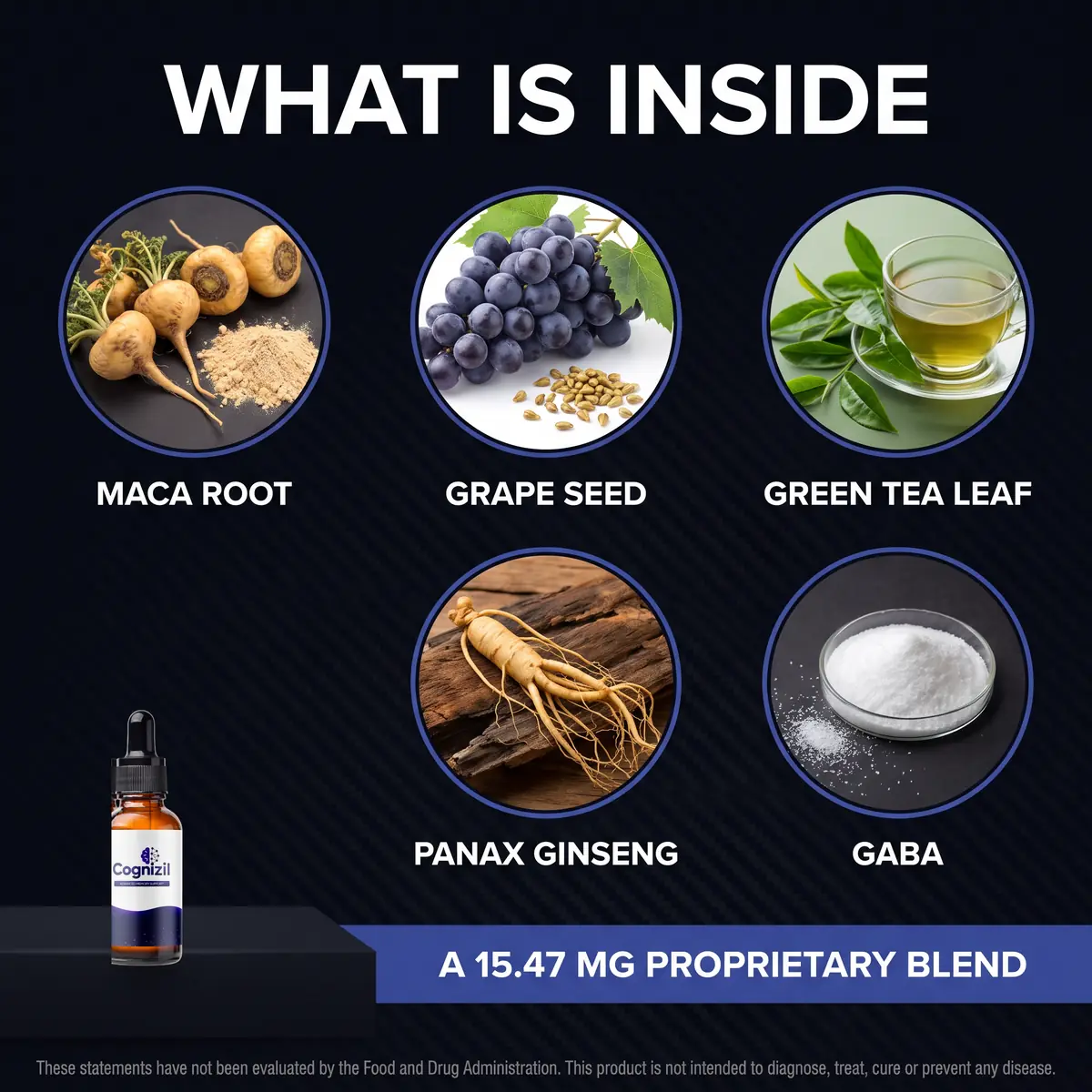
- One botanical in a 15.47 mg blend with maca, green tea, GABA and L-tyrosine, paired with a chromium mineral base.
Few plants carry as much history as ginseng. Its forked, human-shaped root has been prized across East Asia for more than two thousand years, and it remains one of the most-studied botanicals in the world. Yet history and hype can outrun the data, so this is a clear-eyed profile: enough to understand why Cognizil includes it, without overstating what one ingredient can do.
What is panax ginseng, exactly?
Panax ginseng is a perennial plant native to the mountains of Korea and northeastern China whose root is dried and used as an adaptogenic herbal tonic. The genus name Panax shares a root with “panacea,” a nod to the sweeping reputation it earned in traditional medicine as a restorative for body and mind. It is commonly called Asian ginseng or Korean ginseng, and it is the species most people picture when they hear the word.
An adaptogen is a plant traditionally believed to help the body cope with everyday stress and return to balance, and NCCIH keeps a plain-language summary of what is known about Asian ginseng (NCCIH). Rather than pushing one direction like a stimulant, ginseng is described in traditional use as steadying — supporting energy when you are depleted and calm when you are frayed. That framing is centuries old and should be read as tradition rather than proven pharmacology, but it explains why the root recurs in blends aimed at composed focus.
Why is it called an adaptogen for energy?
The phrase “ginseng adaptogen energy” captures the root's best-known reputation: a tonic that lifts fatigue without the jittery spike of caffeine. Traditionally it was taken by scholars before examinations and laborers before long days, valued for stamina over a quick jolt. Researchers are still untangling how much of that is measurable, but the throughline — resilience and steady vigor — is remarkably consistent across cultures.
What are ginsenosides and why do they matter?
Ginsenosides are the signature active compounds in panax ginseng — a large family of naturally occurring saponins that researchers believe drive most of the root's studied effects. More than a hundred distinct ginsenosides have been catalogued, and they do not all behave the same way; some appear mildly activating while others look more calming, which is part of why ginseng resists a simple “stimulant” label. The overall balance of these compounds is what distinguishes true Panax ginseng from unrelated plants that borrow the name.
Because ginsenoside content varies with the plant's age, growing conditions and processing, quality matters more with ginseng than with many ingredients. That is why reputable formulas source carefully, and why raw-milligram comparisons mislead. The takeaway is simple: ginsenosides are the reason ginseng is interesting, and the reason two ginseng products are not necessarily equivalent.
What does the research say about ginseng for focus and memory?
The honest summary is that panax ginseng shows modest, short-term promise for focus and mental sharpness, but the evidence is mixed and far from settled. Several small trials and reviews have reported improvements in aspects of attention, mental fatigue and subjective clarity, sometimes within hours of a dose — an early trial comparing guarana and ginseng found measurable acute changes on cognitive tasks (Kennedy et al., Pharmacology Biochemistry and Behavior, 2004). Other studies find little effect: a 2025 meta-analysis pooling ginseng trials on standard cognitive scales reported small and inconsistent changes (Kim et al., Complementary Medicine Research, 2025), and a network meta-analysis of plant actives in healthy older adults judged the wider literature small and at risk of bias (Feng et al., Frontiers in Pharmacology, 2025). The picture is suggestive rather than conclusive.
Does ginseng help memory?
On ginseng for memory specifically, the data are thinner still. A handful of studies hint that ginseng may support working memory or mental performance under load, sometimes combined with other botanicals, but researchers consistently call for larger, higher-quality trials. That is why we frame ginseng as gentle everyday support within a healthy routine — not a remedy for memory loss, and not a substitute for medical care.

Asian ginseng benefits reported in the traditional and research literature cluster around a few themes, summarized below. Read the middle column as “why people are interested,” not as a promise of results.
| Reported area | Why it is discussed | Evidence snapshot |
|---|---|---|
| Daytime energy & fatigue | Classic tonic use for stamina | Some short-term trials report reduced mental fatigue; results are inconsistent. |
| Attention & mental clarity | Studied in cognition tasks | Modest signals in small studies; needs larger confirmation. |
| Stress resilience | Core adaptogen claim | Traditional and preliminary; mechanisms still being explored. |
| Working memory | Tested in combination formulas | Limited and mixed; not a treatment for memory conditions. |
| General wellness | Antioxidant-rich saponins | Broad, non-specific; part of overall healthy-lifestyle support. |
For a wider look at how ginseng sits beside the other actives, see our companion piece on nootropic ingredients for focus and memory, or the broader habits in how to improve memory and focus naturally.
How is Asian ginseng different from American ginseng?
Asian ginseng (Panax ginseng) and American ginseng (Panax quinquefolius) are cousins in the same genus that traditional herbalism treats as near opposites in temperament. Asian ginseng is regarded as the warmer, more energising, stimulating root — the one reached for when vigor and drive are the goal. American ginseng is described as cooler and more calming, favored for a gentler, more relaxed kind of support. Both contain ginsenosides, but in different ratios, which underlies their differing reputations.
Cognizil uses Asian panax ginseng, in keeping with a formula built around steady daytime focus rather than sedation. Do not over-interpret these traditional distinctions, though; they are useful shorthand, not precise dosing science. The practical point: when a label says “panax ginseng,” it almost always means the Asian species profiled here.
See the exact dose in Cognizil
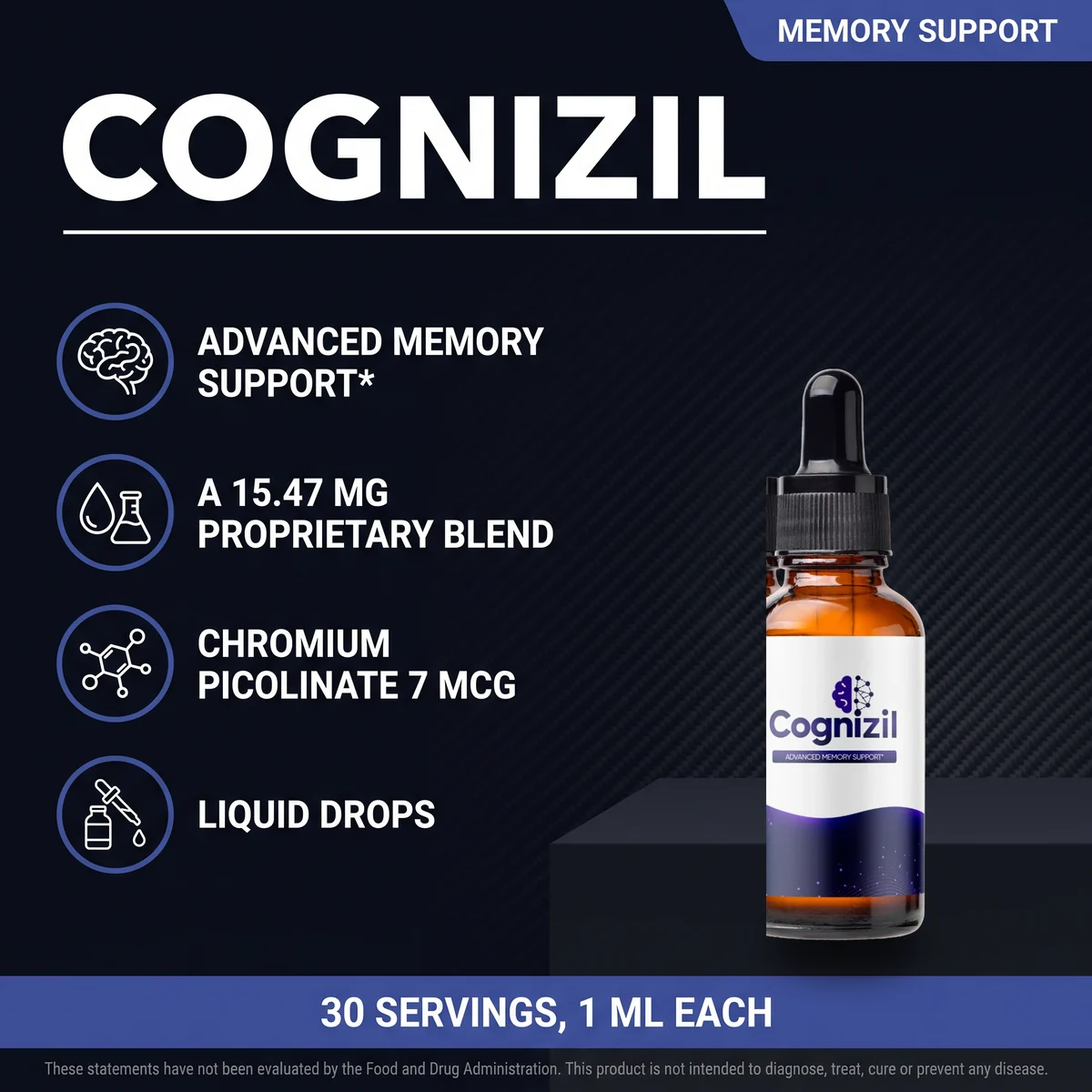
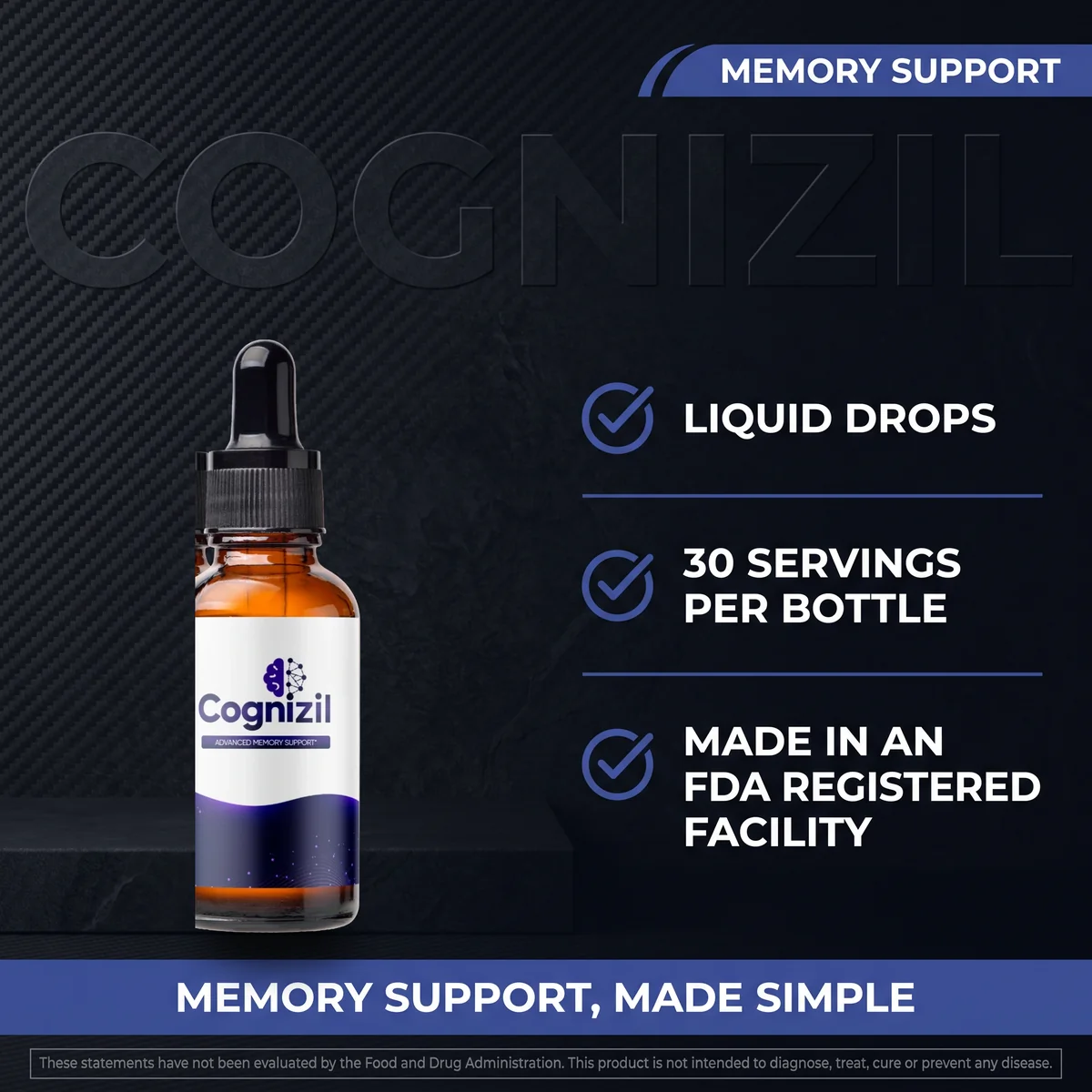
Cognizil pairs a chromium mineral base with a 15.47 mg botanical and amino-acid blend — panax ginseng, maca, green tea, GABA and L-tyrosine — in a once-daily liquid dropper. The six-bottle bundle is the best value at $49 per bottle, with free U.S. shipping and a 180-day guarantee.
Check today's Cognizil pricing — from $49/bottleHow does ginseng pair with Cognizil's mineral base?
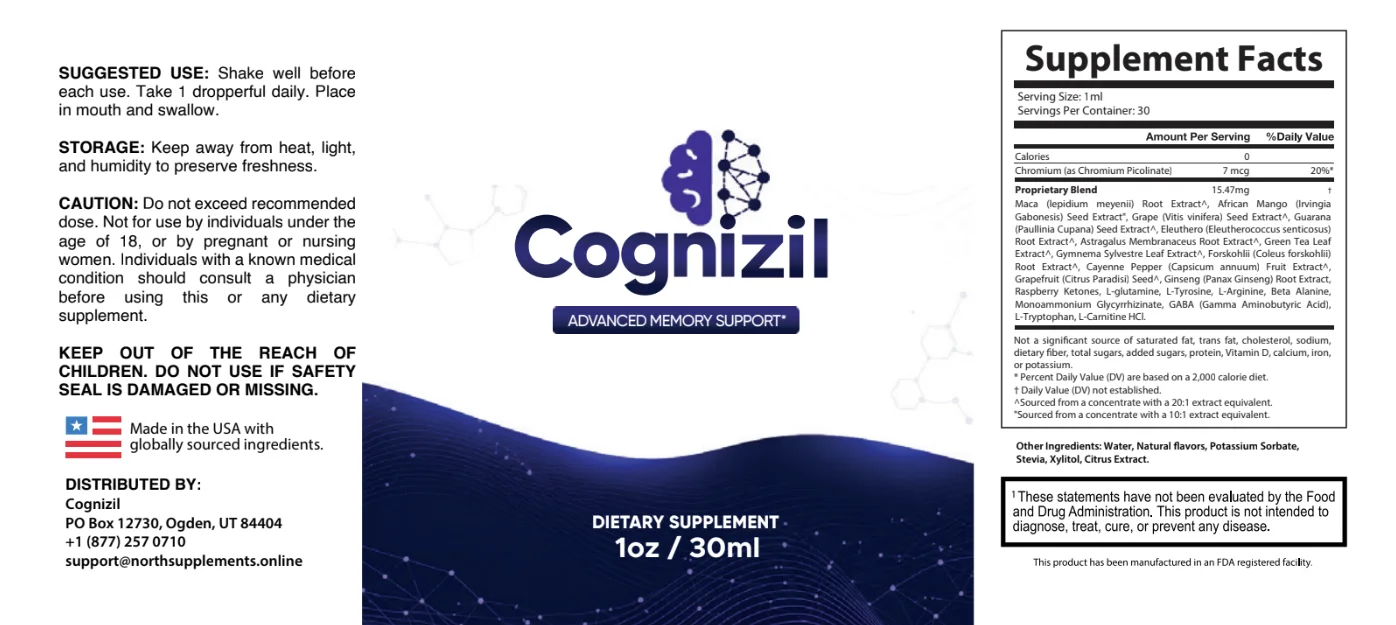
In Cognizil, panax ginseng is a botanical layer on top of a mineral foundation of chromium, an essential trace element used in everyday macronutrient metabolism. The logic is complementary: chromium contributes to the steady energy processing that fuels the brain, while ginseng and the other botanicals are the traditional “tonic” layer aimed at resilience and clarity. Neither does the whole job; the formula is a stack.
Ginseng shares the bottle with maca root, green tea (caffeine plus the calming amino acid L-theanine), GABA and L-tyrosine. The intent is a composed, alert baseline rather than a stimulant rush — ginseng's steadying reputation, green tea's calm-yet-alert profile, and L-tyrosine's neurotransmitter role all pulling the same way. See the full breakdown in the ingredients section and the supplement facts.
How much panax ginseng is in the blend?
Cognizil lists panax ginseng inside a 15.47 mg proprietary blend rather than as a standalone milligram figure, so the exact amount of ginseng alone is not printed on the label. Proprietary blends disclose the total weight of the combined botanicals and amino acids — here 15.47 mg across ginseng, maca, green tea, GABA and L-tyrosine — without breaking out each component. It is a normal labeling choice worth understanding so your expectations match the panel.
Why can't you compare ginseng by milligrams alone?
Raw-milligram comparisons mislead because, with ginseng, ginsenoside quality and the surrounding formula matter as much as the number on the label. Cognizil uses ginseng as one considered part of a balanced blend rather than a mega-dosed single ingredient — a fit for a daily wellness product, not a short experimental course.
| Component | Type | Role in the formula |
|---|---|---|
| Chromium | Trace mineral (base) | Supports normal macronutrient metabolism — steady energy the brain runs on. |
| Panax ginseng | Adaptogen (blend) | Traditional tonic for energy, resilience and mental sharpness. |
| Maca root | Adaptogen (blend) | Traditionally used for vitality and everyday stamina. |
| Green tea | Botanical (blend) | Caffeine with L-theanine for a calm-yet-alert profile; antioxidant polyphenols. |
| GABA + L-tyrosine | Amino acids (blend) | A settling signal plus a neurotransmitter building block for relaxed focus. |
Is panax ginseng safe, and who should be cautious?
Panax ginseng is generally well tolerated for short-term use in healthy adults, but it is not right for everyone and it can interact with medications. Reported side effects are usually mild — trouble sleeping is the most common, especially if taken late in the day — so morning use suits its energising reputation. Because it may affect blood sugar and blood clotting, it warrants real caution alongside certain prescriptions — MedlinePlus lists the interactions worth checking with a pharmacist (MedlinePlus, U.S. National Library of Medicine).
Who should avoid it?
Talk to your doctor before using panax ginseng, or any product that contains it including Cognizil, if you are pregnant or nursing, under 18, take blood thinners, diabetes medication, antidepressants or other prescriptions, or have a diagnosed condition. Ginseng supports everyday wellness; it is not a treatment for any illness, and a brief professional conversation is the safest way to add anything new.
Frequently asked questions
Is panax ginseng good for focus and energy?
Panax ginseng has a long tradition as an adaptogen used to support daytime energy, resilience and mental sharpness, and modern reviews report modest, short-term effects on some measures of attention and fatigue. Evidence is promising but mixed, so it is best treated as everyday support rather than a proven treatment.
What are ginsenosides and what do they do?
Ginsenosides are the signature active compounds in panax ginseng, a family of plant saponins that researchers believe underlie most of the root's studied effects on energy, stress response and cognitive wellness. Different ginsenosides behave differently, which is part of why ginseng is described as balancing rather than simply stimulating.
How is Asian ginseng different from American ginseng?
Asian ginseng (Panax ginseng) is traditionally seen as the warmer, more energising, stimulating root, while American ginseng (Panax quinquefolius) is viewed as cooler and more calming. They share the Panax genus and ginsenosides but have different ratios, and Cognizil uses the Asian species.
How much panax ginseng is in Cognizil?
Cognizil delivers panax ginseng as part of a 15.47 mg proprietary botanical and amino-acid blend that also includes maca, green tea, GABA and L-tyrosine, alongside chromium. Because it is a proprietary blend, the exact milligrams of ginseng alone are not listed separately on the label.
Does ginseng help memory?
Some short-term studies suggest panax ginseng may support aspects of working memory and mental clarity, and it has centuries of traditional use as a tonic for the mind. The research base is small and inconsistent, so ginseng for memory is best framed as gentle support within a healthy routine, not a cure for memory problems.
Who should avoid panax ginseng?
People who are pregnant or nursing, under 18, taking blood thinners, diabetes medication or other prescriptions, or who have a diagnosed health condition should talk to a doctor before using panax ginseng or any product that contains it, including Cognizil. Ginseng can interact with certain medications.
See the exact dose in Cognizil — try it with the 180-day guarantee →
Cognizil is a dietary supplement, not a treatment for any medical condition. These statements have not been evaluated by the Food and Drug Administration. This product is not intended to diagnose, treat, cure or prevent any disease. Always consult a qualified healthcare professional about your individual needs.
References & further reading
- National Center for Complementary and Integrative Health (NCCIH). Asian Ginseng. nccih.nih.gov/health/asian-ginseng
- National Institutes of Health, MedlinePlus. Ginseng, Panax — overview and interactions. medlineplus.gov/druginfo/natural/1000.html
- Kim J, et al. Cognitive Benefits of Ginseng: A Systematic Review and Meta-Analysis of Changes in Mini-Mental State Examination and Alzheimer’s Disease Assessment Scale-Cognitive Subscale Scores. Complementary Medicine Research, 2025. pubmed.ncbi.nlm.nih.gov/40774237
- Examine.com. Panax ginseng — evidence-based summary. examine.com/supplements/panax-ginseng
- Kennedy DO, et al. Improved cognitive performance in human volunteers following administration of guarana (Paullinia cupana) extract: comparison and interaction with Panax ginseng. Pharmacology Biochemistry and Behavior, 2004. pubmed.ncbi.nlm.nih.gov/15582012
- Feng X, et al. The effect of plant active substances on cognitive function in healthy older adults: a systematic review and network meta-analysis of randomized controlled trials. Frontiers in Pharmacology, 2025. pubmed.ncbi.nlm.nih.gov/41640686
- Mayo Clinic. Ginseng — consumer drug and supplement information. mayoclinic.org/drugs-supplements-ginseng
These references describe the ingredient in general terms and do not constitute evidence that any product treats, cures or prevents any condition.
Keep reading: how nootropic ingredients work · the best foods for brain health and memory · the Cognizil review · back to the Cognizil blog.