How to clear brain fog naturally: a Cognizil guide
To clear brain fog naturally, you fix the everyday inputs your brain depends on: sleep, water, movement and steady blood sugar. Brain fog is not a diagnosis but a cluster of feelings — fuzzy thinking, slow recall, low focus — and it usually lifts when you remove the ordinary causes behind it. The habits below are free, evidence-led, and often noticeable within a day or two, with a daily nootropic like Cognizil as one optional support on top.
How to get rid of brain fog, in one place.
- Start with sleep
- Seven to nine consistent hours does more for focus than any single food or supplement.
- Hydrate early
- Even mild dehydration dulls concentration; keep water within reach and sip through the day.
- Move and refuel
- A short walk plus a slow-release meal beats the sugar spike-and-crash behind afternoon fog.
- Where Cognizil fits
- A daily dropper complements these habits; it supports everyday focus and is not a treatment for any condition.
Almost everyone has felt the two o’clock wall, where words come slowly and simple tasks feel like wading through treacle. The good news is that most everyday brain fog responds to ordinary changes rather than heroic ones. Below is a practical, step-by-step guide to the natural focus tips that make the biggest difference — and where a botanical formula like Cognizil honestly fits alongside them.

Why do you get brain fog in the afternoon?
Brain fog is the everyday name for a temporary dip in mental clarity, focus and recall, and the afternoon version is usually driven by a handful of common causes. Your brain uses roughly a fifth of your energy and runs continuously, so it is sensitive to what keeps it supplied: sleep, hydration, and a steady flow of glucose. A short night, a skipped water bottle, or a lunch built on refined carbs sets up a mid-afternoon slump — the classic sugar spike followed by a crash. Stress hormones, too little daylight and hours of unbroken screen time pile on top. Understanding these inputs is the whole game, because each one is something you can adjust.
How do you clear brain fog naturally, step by step?
Clearing brain fog naturally means addressing its ordinary causes in order of impact, starting with sleep and hydration before reaching for anything else. Here are the levers that matter most, roughly in the order they pay off.
Does sleep really matter that much?
Sleep is the single most powerful lever for daytime clarity, because it is when the brain consolidates memory and clears metabolic waste. Most adults need seven to nine hours, and consistency matters as much as quantity — going to bed and waking at similar times steadies your body clock. The performance cost of falling short is one of the oldest findings in the field: a classic meta-analysis found sleep-deprived people performed well below rested controls on both cognitive and mood measures (Pilcher & Huffcutt, Sleep, 1996), and NCCIH keeps an overview of what does and does not help sleep (NCCIH). If afternoons are foggy, look first at the night before: a dark, cool room, a screen curfew, and caffeine kept to the morning will do more than any supplement.
How much does hydration change things?
Even mild dehydration is linked with poorer concentration, slower reaction time and lower mood in controlled trials — separate studies in healthy men and women both found measurable effects from fluid losses too small to feel dramatic (Ganio et al., British Journal of Nutrition, 2011; Armstrong et al., Journal of Nutrition, 2012) — so water is one of the most underrated brain fog remedies. You do not need a rigid quota; keep a bottle within reach, sip through the day, and drink a glass when fog first descends. Watch caffeine and alcohol too, since both can nudge you toward dehydration if the balance tips.
Can moving your body clear your head?
Movement increases blood flow to the brain and is one of the fastest natural focus tips available, which is why a ten-minute walk often resets a stalled afternoon; an umbrella review of exercise trials found consistent gains in cognition, memory and executive function from regular activity (Singh et al., British Journal of Sports Medicine, 2025). You do not need a workout; standing, stretching or a lap around the block after lunch blunts the post-meal dip and lifts mood. Building in regular activity across the week compounds the benefit over time.
What should you eat to avoid the crash?
Steady blood sugar is the quiet foundation of a fog-free afternoon, so the meal that matters most is the one before the slump. Refined carbohydrates and sugary drinks spike glucose and set up the crash you feel as fog; slow-release options — whole grains, beans, vegetables, protein and healthy fats — keep fuel steady. For a deeper dive, see our guide to the best foods for brain health and memory.
What about daylight and screen breaks?
Natural light and regular breaks are simple resets that keep attention from fraying across a long day. Morning daylight helps anchor your body clock, and a few minutes outside at lunch is both light and movement in one. On screen-heavy days, a short break each hour — look away, stand, breathe — protects focus far better than pushing through. The same principle underpins the study blocks in how to improve concentration while studying and the workday routine in how to stay focused at work all day.
See the exact dose in Cognizil →
What does a simple anti-fog daily routine look like?
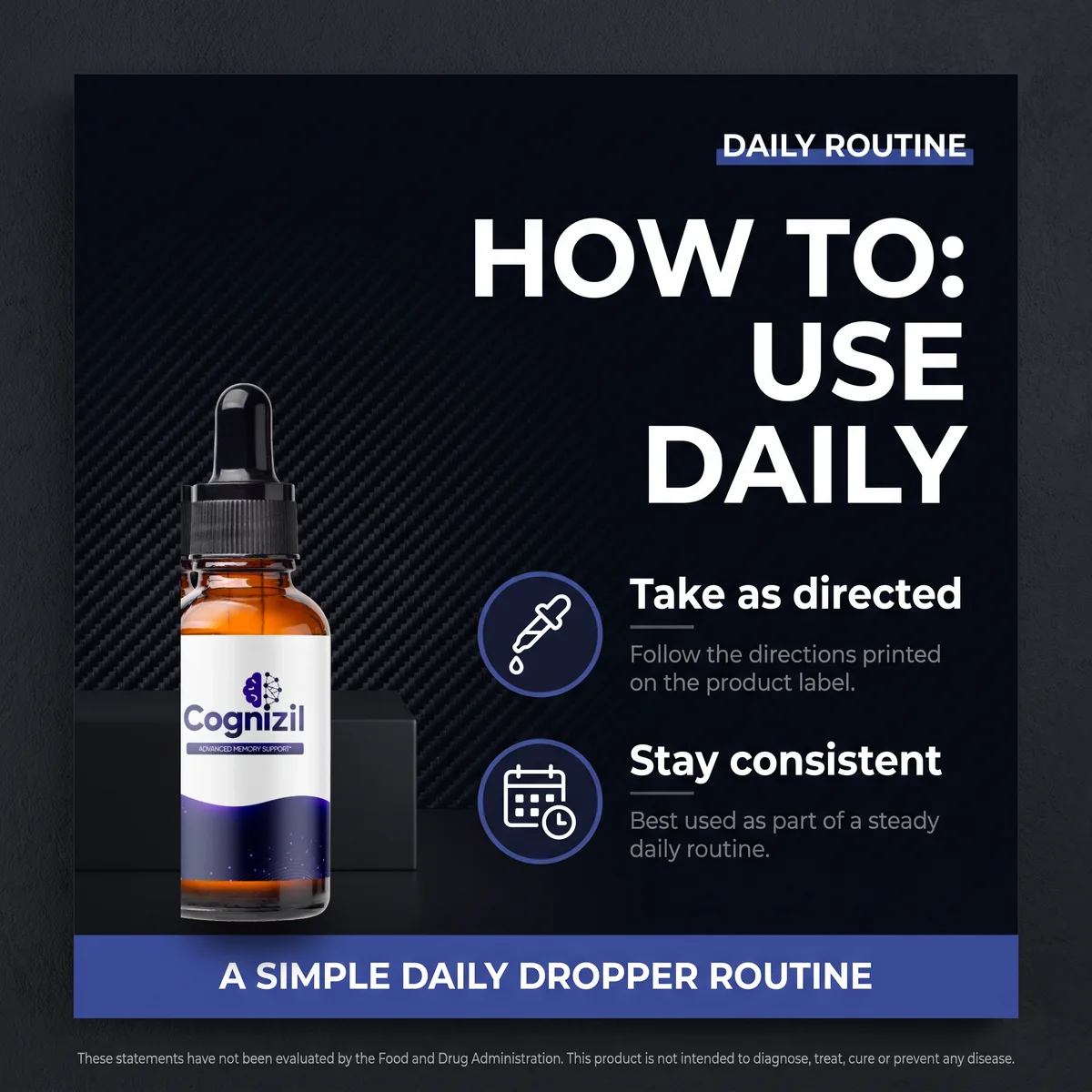
You do not need a perfect day — you need a repeatable rhythm that keeps the four inputs topped up. Here is one unfussy example you can adapt.
| Time of day | Anti-fog habit | Why it helps |
|---|---|---|
| On waking | Daylight, a glass of water, coffee if you want it | Anchors the body clock and rehydrates after the night |
| Morning | Cognizil dropper with breakfast, keep water nearby | Builds a consistent habit and steady hydration |
| Lunch | Slow-release meal: protein, vegetables, whole grains | Avoids the glucose spike that triggers the crash |
| Early afternoon | A ten-minute walk or stretch | Boosts blood flow and blunts the post-lunch dip |
| Every hour | Short screen break; look away and breathe | Keeps attention from fraying on long tasks |
| Evening | Screen curfew, cool dark room, consistent bedtime | Protects the sleep that fuels tomorrow’s focus |
Which brain fog remedies are worth the effort?
Not every popular remedy carries the same weight of evidence, so it helps to see them side by side before you invest time in any one. The table below rates the everyday options on how strong the case is and how quickly you tend to notice.
| Remedy | Strength of evidence | How fast you notice |
|---|---|---|
| Consistent sleep | Strong and well established | Next day, builds over weeks |
| Hydration | Good for mild dehydration | Within hours |
| Movement / walking | Strong for mood and focus | Same session |
| Whole-food, low-sugar meals | Good for steady energy | Same afternoon |
| Daylight & screen breaks | Moderate, supportive | Same day |
| Nootropic blend (e.g. Cognizil) | Ingredient-level, individual | Varies by person |
The pattern is clear: the free, boring habits carry the strongest evidence, while a supplement sits honestly at the supportive end — useful to some people as a daily anchor, but never a stand-in for sleep, water and movement.

Where does Cognizil fit into a natural anti-fog routine?
Cognizil is a once-daily liquid nootropic designed to support everyday memory and focus alongside good habits, not to treat brain fog or any medical condition. It pairs chromium with a 15.47 mg blend of green tea, maca, panax ginseng, GABA and L-tyrosine — botanicals and amino acids traditionally associated with calm, steady alertness. The most useful way to think about it is as a habit anchor: a dropper taken at the same time each morning that sits on top of the sleep, water, movement and food basics rather than replacing any of them. To understand the ingredients themselves, our explainer on nootropic ingredients for focus and memory walks through what each one does, and our companion guide on how to improve memory and focus naturally covers the daily routine in more depth.
Add one steady daily anchor
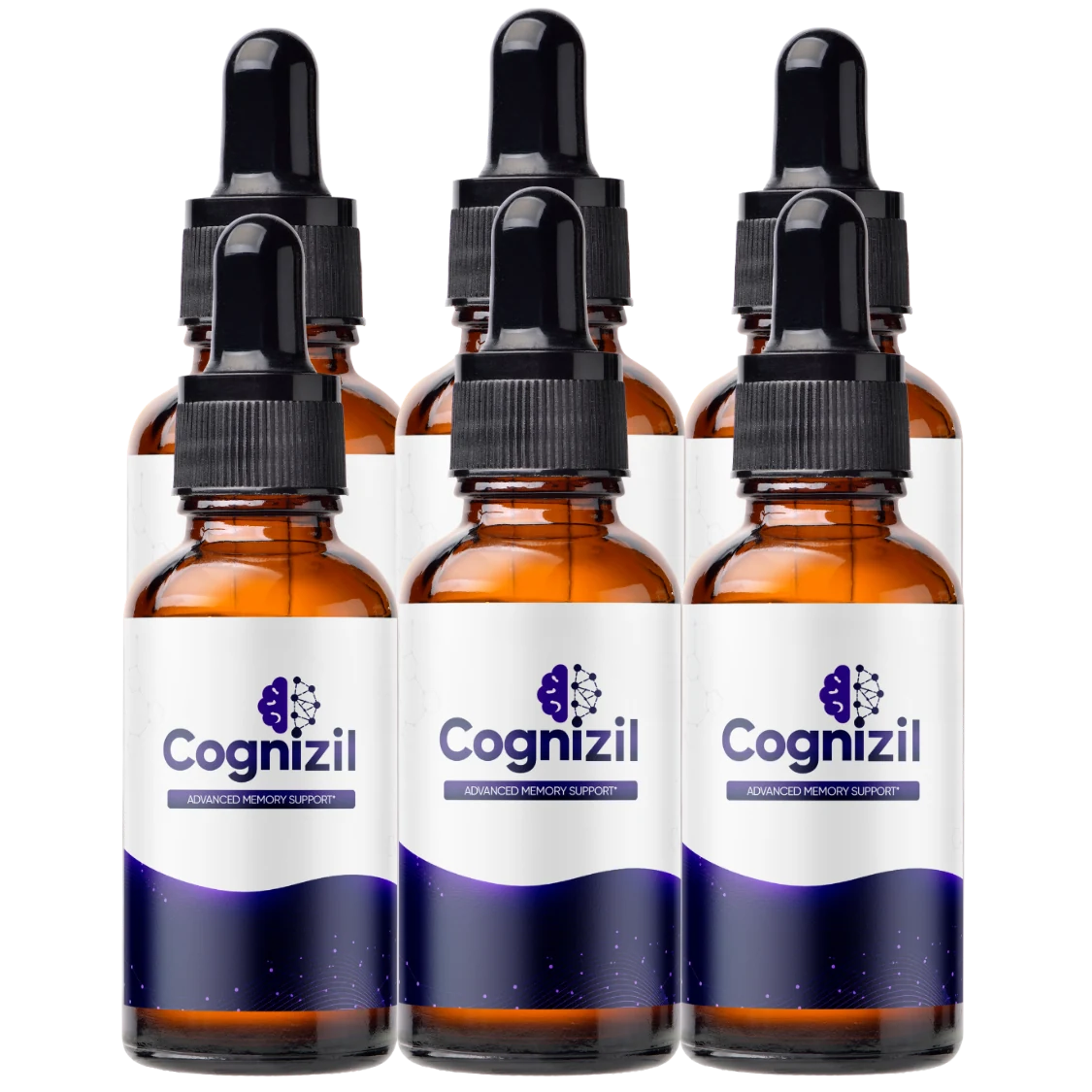
Cognizil pairs chromium with a 15.47 mg blend of green tea, maca, panax ginseng, GABA and L-tyrosine — a daily dropper built to complement the habits above. The six-bottle bundle is the best value at $49 per bottle.
Check today’s Cognizil pricing — from $49/bottleWhat should you eat and drink to get rid of brain fog?
The best anti-fog plate is the same one that steadies the rest of your energy: whole, colourful, minimally processed food with protein and healthy fat at every meal. Sugary drinks are the fastest route to a spike and crash, so swapping them for water or green tea is often the single biggest food change you can make. Green tea is a useful middle ground, offering caffeine for alertness alongside L-theanine for a calmer lift. Build meals around slow-release carbohydrates, vegetables, oily fish or eggs, nuts and olive oil, and treat refined snacks as occasional rather than default. Making the whole-food choice your easy default is what keeps the afternoon steady.
When is brain fog a reason to see a doctor?
Occasional afternoon fog that lifts with sleep, water and movement is normal; persistent or worsening fog is a signal to seek professional advice. Brain fog can be a symptom of underlying issues — sleep disorders, thyroid problems, nutrient deficiencies, medication side effects, stress or illness — that deserve proper assessment rather than self-management. Speak with your doctor if fog is constant, getting worse, or comes with memory loss that disrupts daily life, confusion, persistent headaches, or marked mood changes. Lifestyle habits and supplements are supports for everyday wellness, not substitutes for medical care when something feels genuinely wrong.
Frequently asked questions
How do you clear brain fog naturally?
Clear brain fog naturally by protecting your sleep, drinking water steadily through the day, moving your body after meals, and eating slow-release meals instead of sugary snacks. These habits work together, and most people notice a steadier afternoon within a few days of applying them consistently.
How long does it take to get rid of brain fog?
A single good night of sleep, a glass of water and a short walk can lift a foggy afternoon the same day. The deeper, more reliable improvement comes from keeping those habits for a few weeks so they become your default rather than an occasional rescue.
Does dehydration cause brain fog?
Even mild dehydration is linked with reduced concentration, slower reaction time and low mood, which many people experience as fog. A bottle of water on the desk and a habit of sipping through the day is one of the simplest brain fog remedies there is.
What are the best natural remedies for brain fog?
The most reliable natural focus tips are consistent sleep, hydration, daily movement, whole-food meals, daylight and short screen breaks. Some people also use a nootropic blend such as Cognizil as a daily support, but it complements these habits rather than replacing them.
Can Cognizil help with brain fog?
Cognizil is a daily liquid nootropic designed to support everyday memory and focus alongside good habits; it is not a treatment for brain fog or any medical condition. It pairs chromium with a botanical and amino-acid blend and is best used as one part of the routine described here.
When should I see a doctor about brain fog?
See a doctor if brain fog is persistent, worsening, or comes with memory loss that disrupts daily life, confusion, headaches or mood changes. Ongoing fog can have medical causes such as sleep disorders, thyroid issues or medication side effects that deserve proper assessment.
Try Cognizil with the 180-day guarantee →
Cognizil is a dietary supplement, not a treatment for any medical condition. These statements have not been evaluated by the Food and Drug Administration. This product is not intended to diagnose, treat, cure or prevent any disease. Always consult a qualified healthcare professional about your individual needs.
References & further reading
- National Center for Complementary and Integrative Health (NCCIH). Sleep Disorders — In Depth. nccih.nih.gov/health/sleep-disorders-in-depth
- Ganio MS, et al. Mild dehydration impairs cognitive performance and mood of men. British Journal of Nutrition, 2011. pubmed.ncbi.nlm.nih.gov/21736786
- Mayo Clinic. Exercise and stress: Get moving to manage stress. mayoclinic.org/healthy-lifestyle/stress-management/exercise-and-stress
- National Center for Complementary and Integrative Health (NCCIH). Green Tea. nccih.nih.gov/health/green-tea
- Examine.com. L-Theanine — evidence-based summary. examine.com/supplements/theanine
- Armstrong LE, et al. Mild dehydration affects mood in healthy young women. Journal of Nutrition, 2012. pubmed.ncbi.nlm.nih.gov/22190027
- Pilcher JJ, Huffcutt AI. Effects of sleep deprivation on performance: a meta-analysis. Sleep, 1996. pubmed.ncbi.nlm.nih.gov/8776790
- Singh B, et al. Effectiveness of exercise for improving cognition, memory and executive function: a systematic umbrella review and meta-meta-analysis. British Journal of Sports Medicine, 2025. pubmed.ncbi.nlm.nih.gov/40049759
These references describe habits and ingredients in general terms and do not constitute evidence that any product treats, cures or prevents any condition.
Keep reading: how to improve memory and focus naturally · best foods for brain health and memory · back to the Cognizil blog · homepage.